Cost of Solar Panels and What to Expect
One of the first questions most homeowners ask when considering solar energy is: how much does it actually cost? The cost of solar panels has dropped dramatically over the past decade — by more than 70 percent since 2010 — making solar more accessible than ever. But the total price still varies widely depending on your home, location, and the system you choose.
This guide breaks down everything you need to know about solar panel costs, what drives the price up or down, what incentives are available, and what kind of return you can realistically expect on your investment.

What Is the Average Cost of Solar Panels?
For a typical American home, a residential solar panel system costs between $15,000 and $25,000 before any incentives or tax credits are applied. After the federal Residential Clean Energy Credit (currently 30 percent of total system cost), the net cost drops to roughly $10,500 to $17,500 for most homeowners.
The most commonly installed system size for a single-family home is between 6 and 10 kilowatts (kW). Larger homes with higher energy usage will need bigger systems and will pay more accordingly.
What Does the Cost of Solar Panels Include?
The total price of a solar installation is not just the panels themselves. Here is a breakdown of the five main cost components:
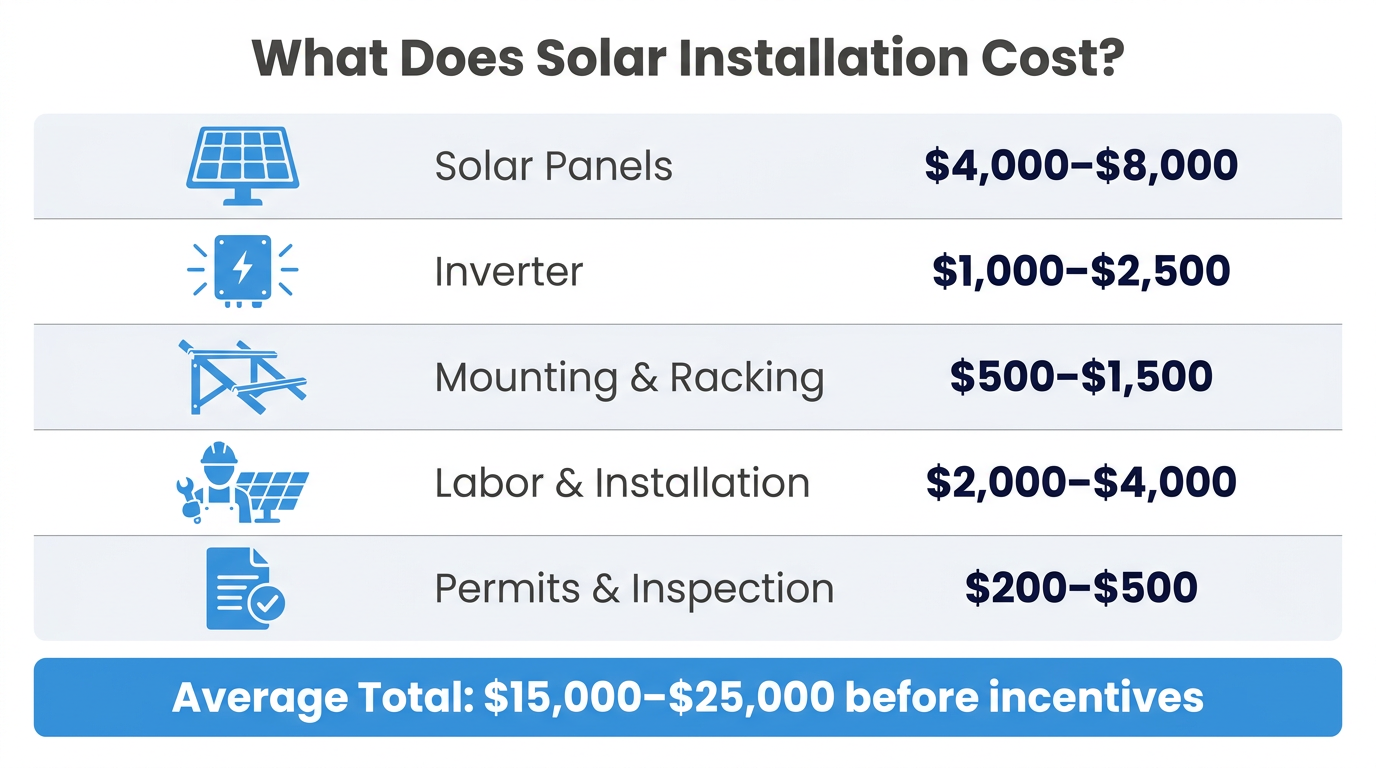
- Solar panels: $4,000–$8,000. The panels themselves are the largest single cost. Monocrystalline panels cost more than polycrystalline but deliver higher efficiency.
- Inverter: $1,000–$2,500. The inverter converts DC electricity from the panels into AC electricity your home uses. String inverters are less expensive; microinverters cost more but optimize each panel individually.
- Mounting and racking: $500–$1,500. The aluminum framework that secures panels to your roof.
- Labor and installation: $2,000–$4,000. Professional installation by a licensed solar contractor.
- Permits and inspection: $200–$500. Local building permits and utility interconnection fees.
Optional add-ons like a home battery storage system (such as a Tesla Powerwall) can add $8,000–$15,000 to the total, but are not required for a standard grid-tied solar installation.
What Factors Affect the Cost of Solar Panels?
Several variables influence how much you will pay for your specific system:
System Size
The bigger the system, the higher the total cost — but the cost per watt typically decreases as system size increases. A 10 kW system costs more in total than a 6 kW system, but less per kilowatt.
Panel Type
Monocrystalline panels are the most efficient and most expensive. Polycrystalline panels cost less upfront. See our guide on types of solar panels explained for a full comparison.
Roof Complexity
A simple, south-facing roof with no obstructions is the easiest and cheapest to work on. Multiple roof angles, skylights, chimneys, or steep pitches add labor time and cost.
Location
Labor costs, permit fees, and utility interconnection requirements vary significantly by state and city. California, New York, and Massachusetts tend to have higher installation costs than states in the South or Midwest.
Installer
Getting multiple quotes is one of the most effective ways to manage cost. Prices between installers for the same system can vary by 20 percent or more. Always compare at least three quotes before deciding.
Solar Panel Cost After Incentives
Federal and state incentives can significantly reduce the net cost of going solar:
- Federal Residential Clean Energy Credit: Deduct 30 percent of your total system cost from your federal income taxes. On a $20,000 system, that is a $6,000 tax credit.
- State tax credits: Many states offer additional credits on top of the federal incentive. New York, for example, offers a 25 percent state tax credit (up to $5,000).
- Utility rebates: Some utility companies offer cash rebates for installing solar. Check with your local utility for available programs.
- Property tax exemptions: Many states exempt the added home value from solar from property tax assessments, so your property taxes do not increase after installation.
- Net metering credits: While not a direct cost reduction, net metering allows you to earn bill credits for excess electricity your system sends back to the grid, improving your overall return.
The Solar Panel Payback Period: What to Expect
The payback period is the number of years it takes for your electricity savings to equal the upfront cost of your system. For most homeowners, this is between 6 and 10 years.
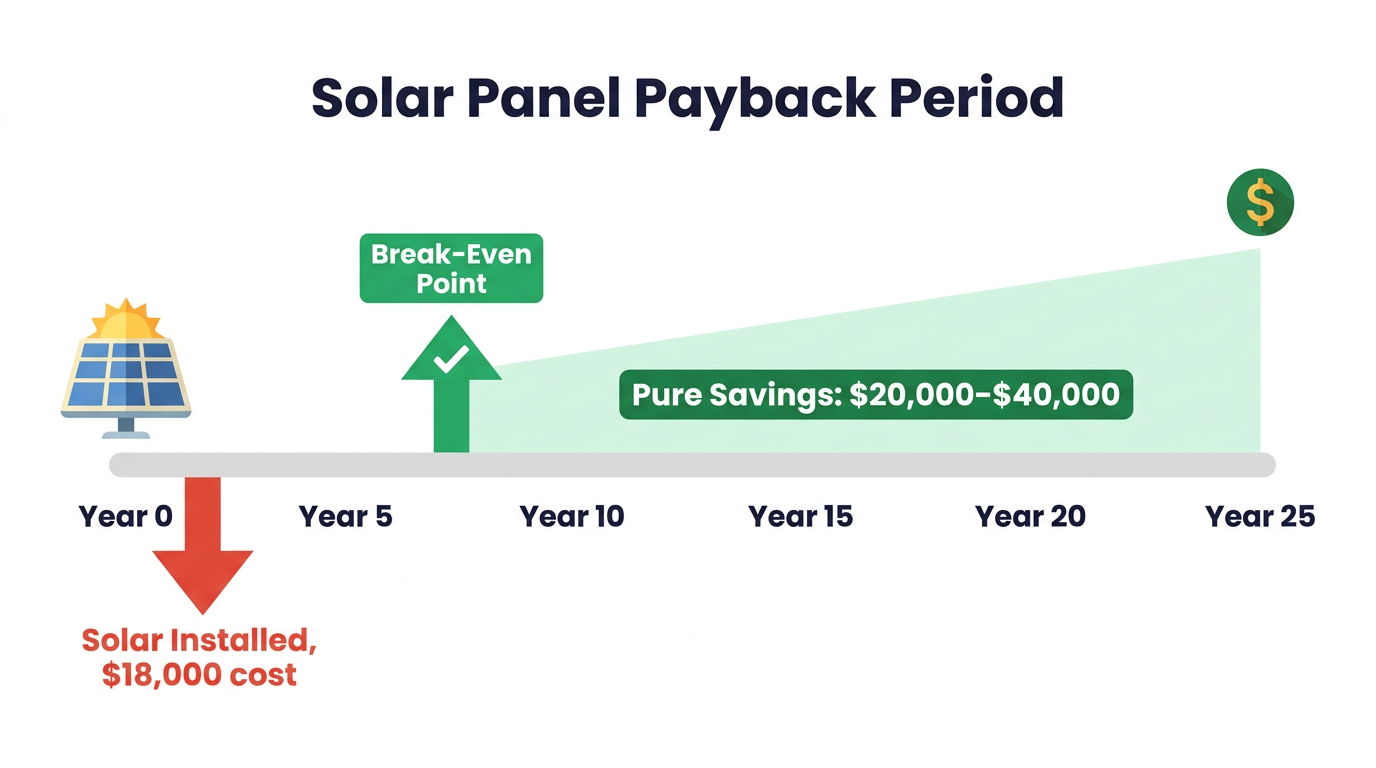
After the payback period, every dollar your system saves on electricity is pure return. Over a 25-year system lifespan, the average homeowner saves between $20,000 and $40,000 in total electricity costs — often significantly more in high-cost electricity markets like California, Hawaii, or the Northeast.
Is the Cost of Solar Panels Worth It?
For most homeowners, yes — solar panels are a sound financial investment. Here is a quick summary of what the numbers typically look like:
- Average system cost (before incentives): $15,000–$25,000
- After 30% federal tax credit: $10,500–$17,500
- Average payback period: 6–10 years
- System lifespan: 25–30+ years
- Total lifetime savings: $20,000–$40,000+
- Home value increase: 3–4% on average
The combination of electricity savings, tax credits, and increased home value makes solar one of the highest-return home improvements available today.
Frequently Asked Questions About Solar Panel Costs
Can I finance solar panels?
Yes. Most installers offer solar loans, leases, and power purchase agreements (PPAs). A solar loan lets you own the system and claim the tax credit. A lease or PPA means the installer owns the system and you pay a monthly fee — typically lower than your current electricity bill.
Do solar panels increase my property taxes?
In most states, no. Many states have solar property tax exemptions that prevent the added home value from increasing your property tax bill. Check your state’s specific rules.
How do I get the most accurate cost estimate?
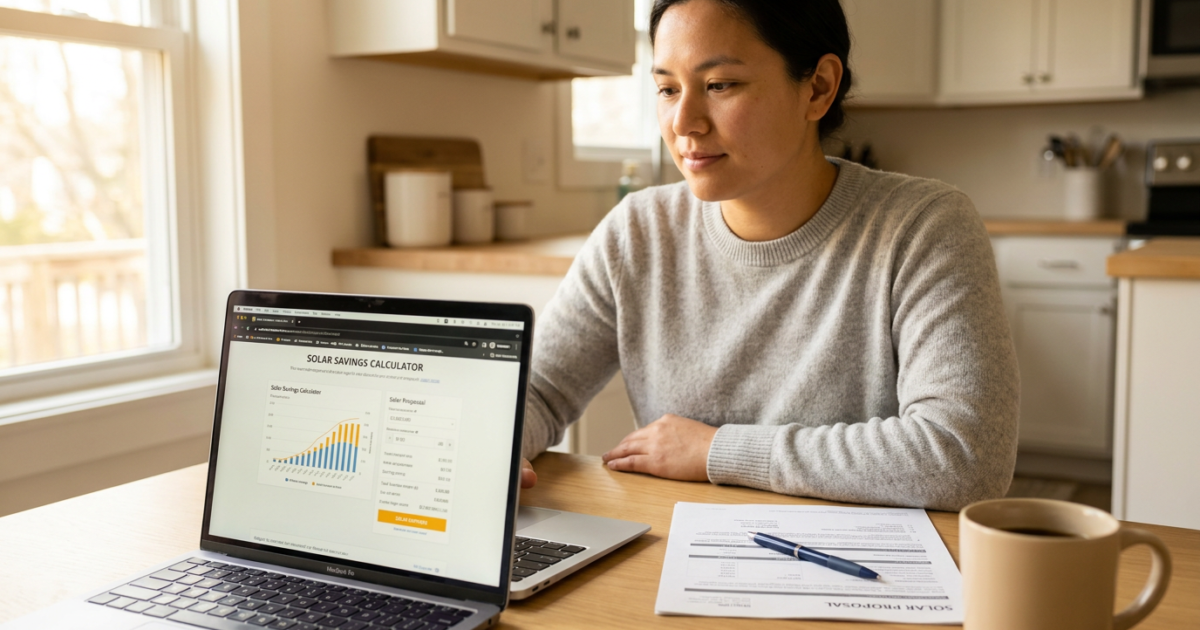
The best way is to get quotes from at least three licensed local installers. Each will assess your roof, review your electricity bills, and provide a detailed proposal with system size, expected output, total cost, and projected savings.
Conclusion
The cost of solar panels is a significant upfront investment — but one that pays for itself and then keeps paying for decades. With the federal tax credit, state incentives, and long-term electricity savings, most homeowners find that solar delivers a strong return on investment and meaningful peace of mind.
Ready to take the next step? Learn how solar panels work for homes, explore the benefits of installing solar panels, and review our solar panel installation guide for beginners. For official incentive information, visit the U.S. Department of Energy homeowner solar guide.
About The Author