Benefits of Installing Solar Panels
More homeowners than ever are making the switch to solar energy — and for good reason. The benefits of installing solar panels go far beyond just saving money on your electricity bill. From increasing your home’s value to reducing your carbon footprint, solar panels offer a range of advantages that make them one of the smartest home investments available today.
Whether you are just starting to research solar energy or are close to making a decision, this guide covers every major benefit you should know about before moving forward.
The Top Benefits of Installing Solar Panels
Solar panels deliver value in multiple ways simultaneously. Here is a comprehensive look at the most important benefits homeowners experience after going solar.
1. Lower Electricity Bills
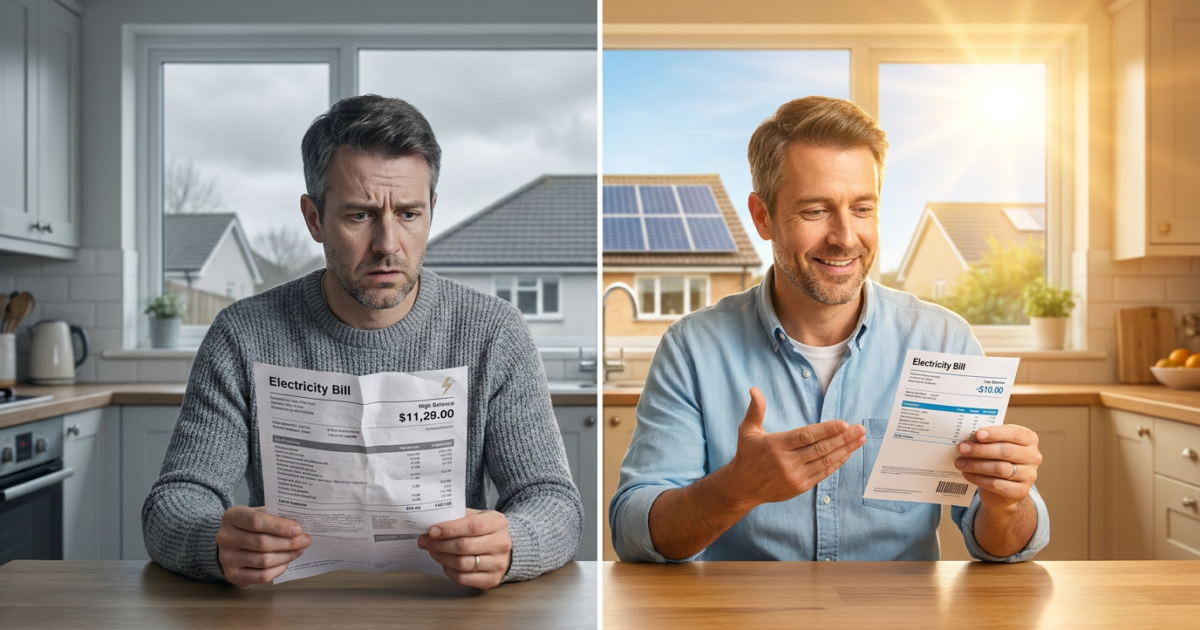
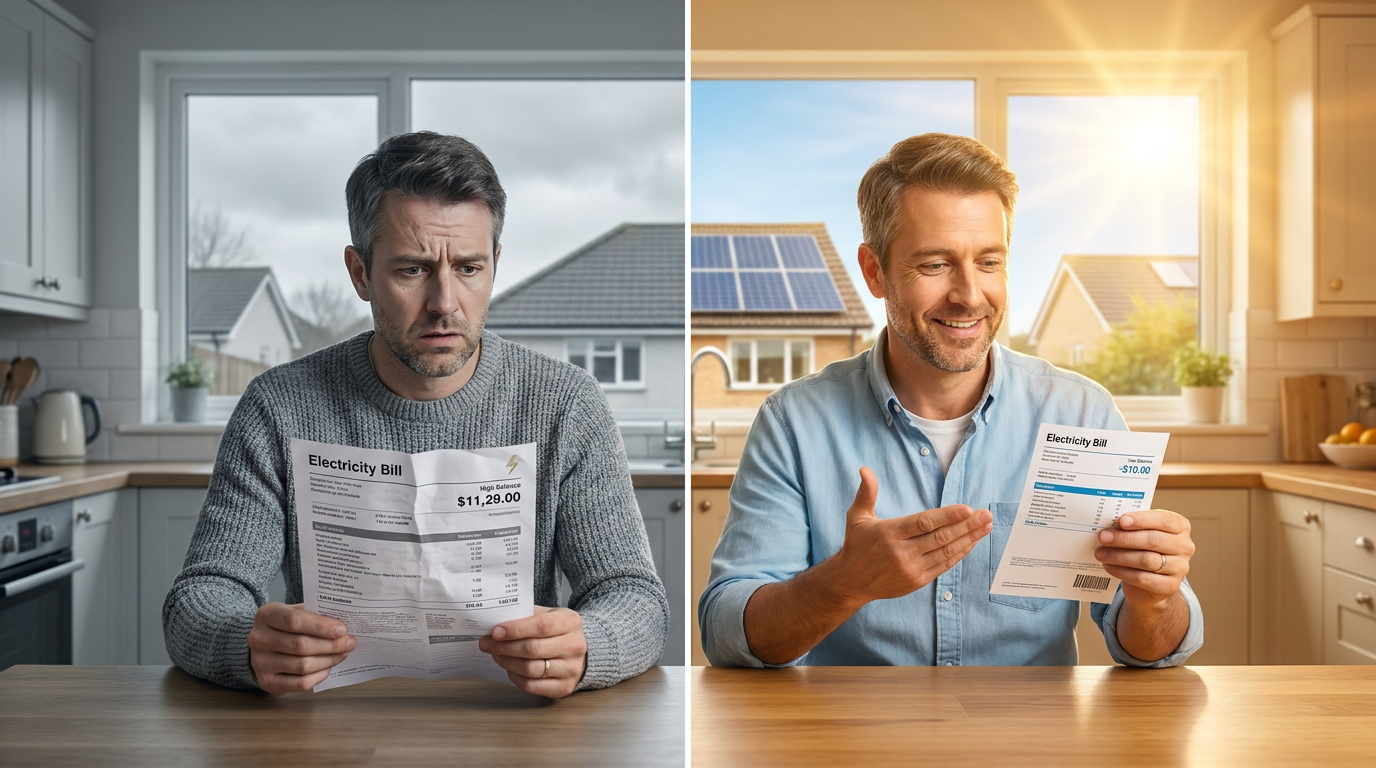
The most immediate and tangible benefit of installing solar panels is a reduction in your monthly electricity costs. Once your system is installed and generating power, you are producing your own electricity instead of buying it entirely from the utility company.
The amount you save depends on the size of your system, your local electricity rates, and how much energy your household uses. Many homeowners see their electricity bills drop by 50 to 90 percent. In some cases — particularly with a well-sized system and net metering — monthly bills can reach zero or even result in credits from the utility company.
2. Increased Home Value
Studies consistently show that homes with solar panels sell for more than comparable homes without them. According to research from Zillow and the Lawrence Berkeley National Laboratory, solar installations can increase a home’s resale value by an average of 3 to 4 percent — and sometimes more in markets where electricity costs are high.
For a home valued at $400,000, that represents an increase of $12,000 to $16,000 in resale value. In many cases, the value added to the home is comparable to or exceeds the original cost of the solar installation.
3. Protection Against Rising Electricity Rates
Electricity rates have historically increased over time. By generating your own solar electricity, you lock in a significant portion of your energy costs at a fixed rate — the cost of your solar system — rather than being subject to ongoing utility rate increases.
Over a 25-year system lifespan, this protection against rate increases can represent tens of thousands of dollars in savings, especially in regions where electricity costs are already high or rising quickly.
4. Environmental Benefits
Solar energy is clean and renewable. Unlike electricity generated from coal, natural gas, or oil, solar panels produce no direct greenhouse gas emissions during operation. By switching to solar, the average American household can offset approximately 3 to 4 tons of carbon dioxide per year — the equivalent of planting over 100 trees annually.
Solar energy also reduces dependence on fossil fuels and helps decrease air and water pollution associated with conventional electricity generation.
5. Energy Independence
One of the less-discussed but highly valued benefits of installing solar panels is the sense of energy independence it provides. When you generate your own electricity, you are less dependent on the utility grid and less vulnerable to power outages, grid failures, and energy price volatility.
Adding a home battery system (such as a Tesla Powerwall) takes this a step further, allowing you to store excess solar energy and use it during outages or at night — giving you true energy independence around the clock.
6. Low Maintenance Requirements
Solar panels have no moving parts, which means they require very little maintenance compared to most home systems. There are no filters to change, no oil to top up, and no mechanical components to service regularly.
Most systems come with monitoring software that tracks performance and alerts you if something is underperforming. An occasional rinse with a garden hose to remove dust, pollen, or bird droppings is typically all the maintenance needed. Most panels are also designed to withstand hail, wind, and heavy rain.
7. Federal and State Tax Credits
The U.S. federal government currently offers a significant tax credit for homeowners who install solar panels. The Residential Clean Energy Credit allows you to deduct a percentage of your total solar installation cost from your federal income taxes.
Many states offer additional incentives on top of the federal credit, including state tax credits, rebates, and property tax exemptions. These incentives can significantly reduce the upfront cost of going solar and improve the overall return on investment.
Benefits of Installing Solar Panels: Long-Term Financial Picture
When evaluating the benefits of installing solar panels, it helps to look at the long-term financial picture rather than just the upfront cost.
- Average payback period: Most residential solar systems pay for themselves in 6 to 10 years through electricity savings alone.
- System lifespan: Solar panels are typically warrantied for 25 years and often continue producing electricity well beyond that.
- Total lifetime savings: Over a 25-year period, the average homeowner saves between $20,000 and $60,000 on electricity costs, depending on system size, location, and local electricity rates.
- Return on investment: When you factor in electricity savings, home value increase, and available tax credits, solar panels often deliver a better return on investment than many traditional home improvements.
Common Questions About the Benefits of Installing Solar Panels
Do the benefits apply in all climates?
Yes. While solar panels produce more electricity in sunnier climates, they generate meaningful power in most regions of the United States and around the world. Germany — one of the cloudiest countries in Europe — is consistently among the world’s top solar energy producers.
Do I need to own my home to benefit from solar?
Homeowners benefit most directly, since they own the roof and can claim tax credits. However, renters and condo owners can often participate in community solar programs that allow them to subscribe to a share of a larger solar installation and receive credits on their electricity bill.
Are there any downsides to solar panels?
The main consideration is the upfront cost, though financing options, leases, and tax credits have made solar more accessible than ever. Roof condition and orientation also matter — a south-facing roof in good condition is ideal. A qualified solar installer can assess your specific situation.
Conclusion
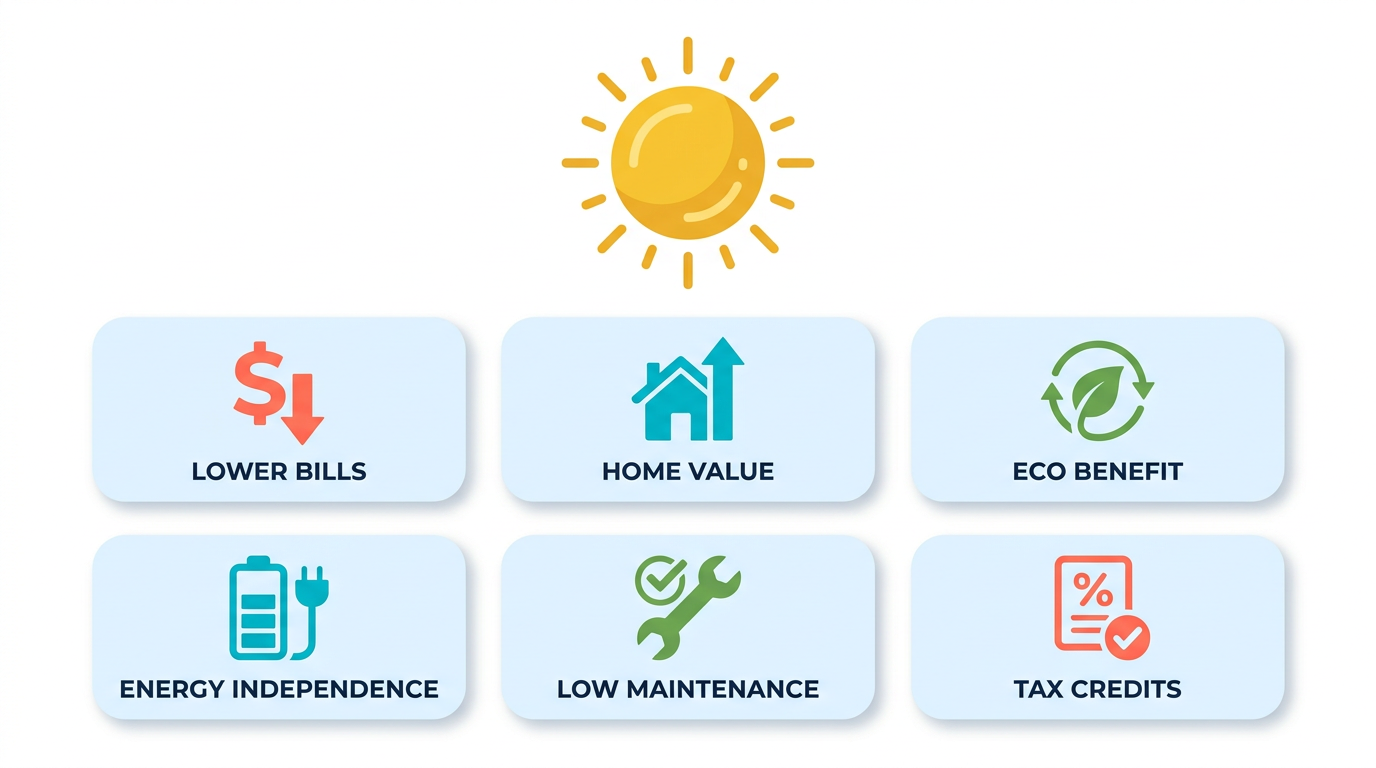
The benefits of installing solar panels are wide-ranging and long-lasting — lower electricity bills, increased home value, protection against rising energy costs, environmental impact, energy independence, minimal maintenance, and significant tax incentives. For most homeowners, the question is not whether solar makes sense, but when to get started.
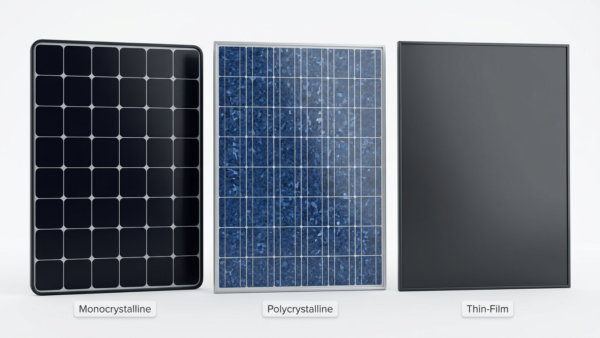
Ready to learn more? Explore how solar panels work for homes, review the types of solar panels available, and check out our solar panel installation guide for beginners. For official incentive information, visit the U.S. Department of Energy’s homeowner solar guide.
About The Author