If you’ve been searching for stable, well-paying work in the skilled trades, the timing couldn’t be better. HVAC installer jobs hiring now are available across the country in record numbers, driven by a combination of new construction, aging infrastructure, and a growing shortage of qualified technicians. Whether you’re an experienced installer or someone transitioning into the trade, the opportunities are real — and they’re not going away anytime soon.
What Does an HVAC Installer Actually Do?
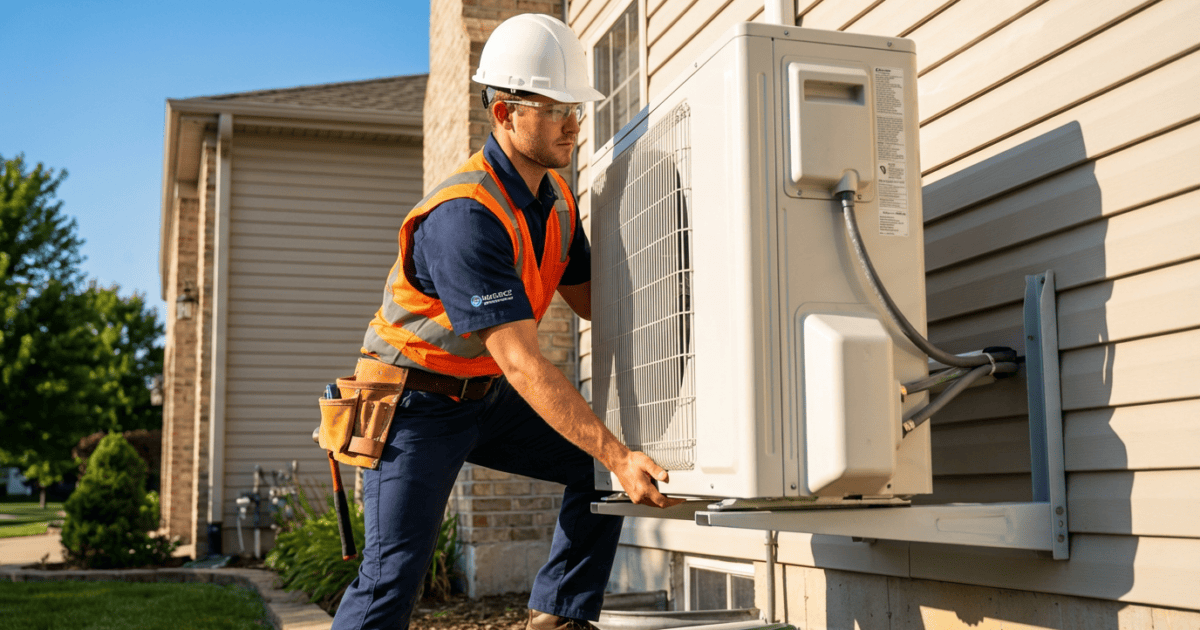
HVAC installers are responsible for setting up heating, ventilation, and air conditioning systems in residential homes, commercial buildings, and industrial facilities. The work is hands-on and varied. On any given day, an installer might be running refrigerant lines in a new construction home, mounting air handlers in a commercial office, or commissioning a rooftop unit on a retail building.
The job requires a solid understanding of mechanical systems, electrical basics, sheet metal work, and refrigerant handling. Installers read blueprints and equipment specifications, coordinate with other trades on job sites, and ensure that every system they put in meets local code requirements and manufacturer specifications.
Unlike service technicians who spend most of their time diagnosing and repairing existing systems, installers focus on new equipment. That means the work tends to be more physically demanding — lifting heavy equipment, working in tight spaces, and spending long hours on job sites — but it also means you’re building something from scratch, which many tradespeople find deeply satisfying.
Why HVAC Installer Jobs Are Hiring Now
The surge in HVAC installer jobs hiring now isn’t a temporary blip. Several structural forces are driving sustained demand:
New Construction Is Booming
Residential and commercial construction activity remains strong in most major markets. Every new building needs an HVAC system, and every HVAC system needs a qualified installer. As housing starts and commercial development continue, so does the need for skilled installation crews.
Equipment Replacement Cycles
Millions of HVAC systems installed during the construction booms of the 1990s and 2000s are now reaching the end of their service lives. Replacing aging equipment requires the same skills as new installation — and the volume of replacement work is enormous.
Energy Efficiency Upgrades
Federal and state incentive programs are encouraging homeowners and building owners to upgrade to high-efficiency systems, heat pumps, and smart HVAC technology. These upgrades require professional installation, adding another layer of demand on top of new construction and replacement work.
Workforce Retirement
A significant portion of the current HVAC workforce is approaching retirement age. As experienced installers leave the trade, the gap between available positions and qualified candidates widens — which is good news for anyone entering or advancing in the field right now.
What Qualifications Do You Need?
The specific requirements for HVAC installer jobs hiring now vary by employer and role, but most positions expect some combination of the following:
- EPA 608 Certification — Required by federal law for anyone who purchases or handles refrigerants. Universal certification (covering all system types) is the most valuable and most commonly required.
- Hands-on installation experience — Most employers prefer candidates with at least one to two years of field experience, though some will hire motivated entry-level workers and train them on the job.
- Blueprint reading — The ability to read and interpret mechanical drawings and equipment specifications is essential for installation work.
- Physical fitness — Installation is demanding work. Employers expect candidates who can lift heavy equipment, work in confined spaces, and stay productive through long shifts on active job sites.
- Valid driver’s license — Most installation roles require you to drive a company vehicle to job sites.
- OSHA 10 or OSHA 30 — Safety certifications are increasingly required, especially for commercial and industrial installation work.
Some employers — particularly larger commercial contractors — also look for NATE certification, which demonstrates a verified level of technical competency and can give your application a meaningful edge. According to the U.S. Bureau of Labor Statistics, HVAC employment is projected to grow 9% over the next decade, well above the national average for all occupations.
Residential vs. Commercial Installation: What’s the Difference?
Not all installation jobs are the same. Residential installation typically involves split systems, heat pumps, and packaged units in single-family homes and small multi-family buildings. The work is often faster-paced, with multiple installs per day, and requires strong customer communication skills since you’re working in people’s homes.
Commercial installation is generally more complex. You might be working on large rooftop units, chilled water systems, variable refrigerant flow (VRF) systems, or custom air handling units in hospitals, schools, or office buildings. The projects are larger, the systems are more sophisticated, and the pay is typically higher — but so are the technical demands.
When evaluating HVAC installer jobs hiring now, think carefully about which environment suits your skills and career goals. Both paths offer strong earning potential, but they lead to different long-term trajectories. If you’re just starting out, our guide to HVAC Apprenticeship Jobs Near Me is a great place to begin building your credentials.
What Does the Pay Look Like?
Compensation for HVAC installers varies based on experience, location, and whether the work is residential or commercial. Here’s a general breakdown:
- Entry-level installers — $18 to $24 per hour, depending on location and employer
- Experienced residential installers — $25 to $35 per hour
- Commercial installers — $30 to $50 per hour, with union positions often at the higher end
- Lead installers and foremen — $45 to $65 per hour or more, plus potential bonuses
Many employers offering HVAC installer jobs hiring now also provide benefits packages that include health insurance, paid time off, retirement contributions, and tool allowances. Some offer signing bonuses for experienced candidates in high-demand markets.
Where to Find HVAC Installer Jobs Hiring Now
The most effective job search strategies combine multiple channels:
- Indeed and ZipRecruiter — Set up daily alerts for “HVAC installer” in your target location. New postings appear constantly, and responding quickly matters.
- LinkedIn — Useful for connecting directly with hiring managers at larger commercial contractors and facilities management companies.
- Local contractor websites — Many small and mid-sized HVAC companies post openings only on their own sites. Make a list of contractors in your area and check their careers pages regularly.
- Union halls — If you’re interested in union work, contact your local UA (United Association) chapter. Union contractors often have structured hiring processes and strong wage scales.
- Staffing agencies — Skilled trades staffing firms can place you quickly, often within days, and many placements lead to permanent positions.
How to Stand Out as a Candidate
With HVAC installer jobs hiring now in high demand, you might think any application will get a response. But the best positions — the ones with the strongest pay, benefits, and growth potential — still attract competitive applicants. Here’s how to make your application stand out:
- Lead with your certifications prominently on your resume
- Quantify your experience where possible (“installed 200+ residential split systems,” “worked on commercial projects up to $2M”)
- Highlight any specialty experience — VRF systems, geothermal, controls, or specific equipment brands
- Provide references who can speak to your reliability and quality of work
- Follow up after applying — a brief, professional email or phone call shows initiative
The Long-Term Outlook
Choosing installation as your specialty within HVAC is a decision with strong long-term upside. Experienced installers move into lead roles, foreman positions, and project management. Some transition into estimating or sales. Others use their installation background as the foundation for starting their own contracting businesses.
The skills you build as an installer — reading blueprints, understanding system design, managing job site logistics — are transferable and valuable across the entire HVAC industry. For those looking to expand their career options, exploring HVAC Maintenance Jobs Open Now is a natural next step. And with HVAC installer jobs hiring now at levels not seen in years, there’s no better time to get in, get established, and start building a career that will serve you for decades.
About The Author