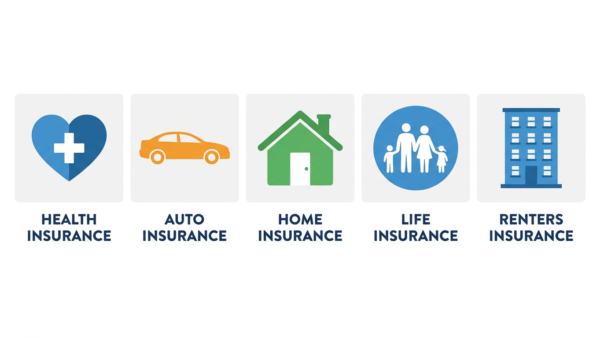
What to Know Before Choosing Insurance
Buying insurance for the first time — or switching to a new policy — can feel overwhelming. There are dozens of options, confusing terms, and prices that vary widely for what seems like the same coverage. Knowing what to know before choosing insurance can save you money, prevent coverage gaps, and help you avoid the most common mistakes new buyers make.
This guide walks you through the key things to understand before you sign up for any insurance policy, so you can make a confident, informed decision.
What to Know Before Choosing Insurance: Start With Your Needs
Before you compare prices or talk to an agent, take a step back and think about what you actually need to protect. Insurance is not one-size-fits-all. The right policy for a 25-year-old renter is very different from the right policy for a 40-year-old homeowner with a family.
Ask yourself these questions:
- What assets do I need to protect? (home, car, savings, income)
- Who depends on me financially? (spouse, children, aging parents)
- What risks am I most exposed to? (health issues, high-traffic commute, natural disasters in my area)
- What could I afford to pay out of pocket if something went wrong?
Your answers will guide you toward the right types and levels of coverage before you ever look at a price.
Key Things to Understand Before Choosing Insurance
Understand the difference between premium and total cost. The premium is what you pay every month. But the total cost of insurance also includes your deductible, copays, and coinsurance. A policy with a low premium but a high deductible may cost you more overall if you actually use it. Always calculate the worst-case total cost, not just the monthly payment.
Know what is and is not covered. Every policy has a list of covered events and a list of exclusions — things the policy will not pay for. Read both carefully. Common exclusions include flood damage (not covered by standard homeowners insurance), cosmetic procedures (not covered by most health plans), and intentional damage. If you live in a flood zone, you need a separate flood insurance policy.
Check the coverage limits. Coverage limits are the maximum your insurer will pay. If your home is worth $400,000 but your homeowners policy only covers $250,000, you are underinsured. Make sure your limits reflect the actual replacement cost of what you are protecting — not just the minimum required.
Understand the claims process. Before you buy, ask how the claims process works. How do you file a claim? How long does it take to get paid? Does the insurer have a reputation for paying claims fairly and promptly? Check reviews and ratings from sources like AM Best, J.D. Power, and the Better Business Bureau.
Know the difference between actual cash value and replacement cost. If your belongings are damaged or stolen, some policies pay the actual cash value (what the item is worth today, after depreciation) while others pay the replacement cost (what it would cost to buy a new one). Replacement cost coverage costs more but provides much better protection.

Important Steps Before You Buy Any Insurance Policy
- Get at least three quotes. Prices for the same coverage can vary by hundreds of dollars per year between insurers. Always compare multiple quotes before deciding.
- Check the insurer’s financial strength. You want to make sure your insurer can actually pay your claim. Check their AM Best rating — look for an A or A+ rating for financial stability.
- Read the policy document, not just the summary. The summary brochure is marketing material. The actual policy document is the legal contract. Read it, especially the exclusions and conditions sections.
- Ask about discounts. Most insurers offer discounts for bundling policies, having a good driving record, installing home security systems, being a non-smoker, or paying annually instead of monthly. Always ask what discounts you qualify for.
- Consider working with an independent agent. An independent insurance agent works with multiple carriers and can shop the market for you. They are paid by commission, so their service is free to you — and they can often find better coverage at lower prices than going direct.
Common Mistakes to Avoid Before Choosing Insurance
- Choosing based on price alone. The cheapest policy is often the cheapest for a reason — lower limits, more exclusions, or a poor claims reputation. Compare value, not just price.
- Not disclosing accurate information. Insurance applications ask for accurate information about your health, driving record, home, and more. Providing inaccurate information can result in a denied claim or policy cancellation.
- Skipping coverage you think you won’t need. Many people skip disability insurance, umbrella coverage, or flood insurance — and then face devastating financial losses when the unexpected happens.
- Not reviewing your policy after major life changes. Getting married, having a child, buying a home, or starting a business all change your insurance needs. Review your coverage after every major life event.
- Assuming your employer coverage is enough. Employer-provided health and life insurance is a starting point, not a complete solution. Evaluate whether the coverage amounts are sufficient for your actual needs.
For more on the basics, see our guides on How Insurance Works for Beginners and Common Insurance Terms You Should Understand. For unbiased consumer information, Consumer Reports publishes regular insurance buying guides and insurer ratings.
Conclusion
Knowing what to know before choosing insurance is the difference between a policy that truly protects you and one that leaves you exposed when you need it most. Start by identifying your actual needs, understand the full cost beyond the premium, read the exclusions, check the insurer’s reputation, and always compare multiple quotes.
Insurance is a long-term financial decision. Taking the time to get it right before you sign is always worth the effort.
About The Author