Basic Guide to Personal Insurance Coverage
Whether you are just starting out on your own or taking a fresh look at your finances, understanding your personal insurance coverage is one of the smartest moves you can make. A basic guide to personal insurance coverage helps you see the full picture — what you have, what you need, and where the gaps are before something goes wrong.
This guide walks you through the core types of personal insurance, how much coverage you actually need, and how to build a protection plan that fits your life and budget.

Basic Guide to Personal Insurance Coverage: What It Is and Why It Matters
Personal insurance coverage refers to the collection of insurance policies that protect you as an individual — your health, your vehicle, your home or rental, your income, and your life. Unlike business insurance, personal insurance is designed to protect you and your family from financial losses caused by accidents, illness, natural disasters, theft, or death.
Without adequate personal insurance coverage, a single unexpected event — a car accident, a medical emergency, a house fire — can wipe out years of savings. Insurance does not prevent bad things from happening, but it prevents those bad things from becoming financial catastrophes.
The goal of a personal insurance plan is not to buy every policy available. It is to identify the risks that could cause the most financial damage and make sure those are covered first.
The Core Types of Personal Insurance Coverage
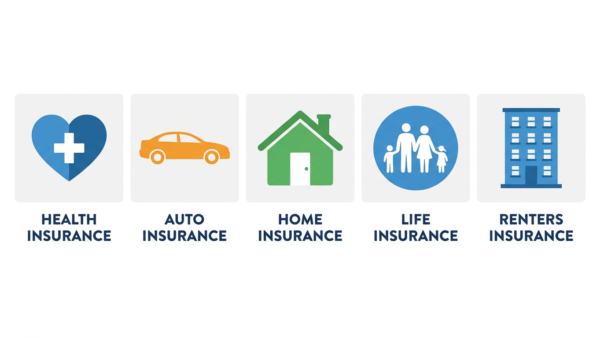
Health Insurance
Health insurance is the most essential personal coverage for most people. Medical costs in the United States are among the highest in the world, and a single hospitalization without insurance can result in bills of $30,000 or more. Health insurance covers doctor visits, hospital stays, prescriptions, preventive care, and emergency services.
When evaluating health insurance, pay attention to the premium, deductible, out-of-pocket maximum, and the network of doctors and hospitals covered. A plan with a low premium but a very high deductible may leave you exposed to large costs if you need significant care.
Auto Insurance
If you own or drive a vehicle, auto insurance is both legally required and financially essential. A standard personal auto policy includes liability coverage (for damage you cause to others), collision coverage (for damage to your own vehicle), and comprehensive coverage (for non-collision events like theft or weather damage).
The minimum coverage required by your state is rarely enough to fully protect you. Consider carrying liability limits well above the state minimum, especially if you have assets to protect.
Homeowners or Renters Insurance
If you own a home, homeowners insurance protects the structure and your belongings against fire, storms, theft, and liability. If you rent, renters insurance covers your personal property and provides liability protection — and it is one of the most affordable types of coverage available.
Many renters skip this coverage because they assume their landlord’s insurance covers them. It does not. Your landlord’s policy covers the building — not your furniture, electronics, clothing, or other belongings inside it.
Life Insurance
Life insurance is essential if anyone depends on your income. It pays a lump sum to your beneficiaries when you die, helping them cover living expenses, mortgage payments, childcare, and other costs. Term life insurance — which covers you for a set period like 20 or 30 years — is the most straightforward and affordable option for most people.
A common rule of thumb is to carry life insurance equal to 10 to 12 times your annual income, though your actual needs depend on your debts, dependents, and financial goals.
Disability Insurance
Disability insurance replaces a portion of your income — typically 60 to 70 percent — if you become unable to work due to illness or injury. Many people overlook this coverage, but the odds of experiencing a disability during your working years are higher than most people realize.
If your employer offers short-term and long-term disability coverage, take it. If not, consider purchasing an individual policy. Your ability to earn an income is your most valuable financial asset — protect it.

How Much Personal Insurance Coverage Do You Need?
The right amount of coverage depends on your personal situation. Here are some general guidelines:
- Health insurance: Choose the lowest out-of-pocket maximum you can afford. This caps your worst-case annual medical costs.
- Auto liability: Carry at least $100,000 per person / $300,000 per accident in bodily injury liability, and $100,000 in property damage liability — more if you have significant assets.
- Homeowners/renters: Insure your home for its full replacement cost, not its market value. For renters, $20,000 to $30,000 in personal property coverage is a reasonable starting point for most households.
- Life insurance: 10 to 12 times your annual income is a common benchmark, adjusted for your debts and dependents.
- Disability insurance: Aim for coverage that replaces 60 to 70 percent of your gross income.
Tips for Building Your Personal Insurance Plan
- Start with the highest-risk areas first. Health and auto insurance protect against the most common and costly risks. Get these in place before anything else.
- Bundle policies when possible. Many insurers offer discounts of 10 to 25 percent when you combine auto and homeowners or renters insurance with the same company.
- Review your coverage every year. Life changes — a new job, a move, a marriage, a child — all affect your insurance needs. Set a reminder to review your policies annually.
- Do not skip disability insurance. It is one of the most overlooked and most important types of personal coverage, especially for people in their 30s and 40s.
- Work with an independent agent. An independent insurance agent can compare policies from multiple carriers and help you find the best coverage at the best price for your specific situation.
- Keep your beneficiary designations current. Life insurance and retirement accounts pass outside of your will — make sure your beneficiaries are up to date after any major life event.
Common Gaps in Personal Insurance Coverage
- No renters insurance (assuming the landlord’s policy covers personal belongings)
- Auto liability limits at the state minimum (often far too low to protect your assets)
- No disability insurance or inadequate employer coverage
- Homeowners policy that covers market value instead of replacement cost
- Life insurance that has not been updated after marriage, divorce, or having children
- No umbrella policy to cover liability above standard policy limits
For more on the fundamentals, see our guides on How Insurance Works for Beginners and Types of Insurance Explained Simply. For free, unbiased guidance on personal insurance, the Insurance Information Institute is an excellent starting point.
Conclusion
This basic guide to personal insurance coverage covers the foundation of what every individual and family needs to protect their financial well-being. Health, auto, homeowners or renters, life, and disability insurance form the core of a solid personal protection plan. Start with the coverage that addresses your biggest risks, compare your options carefully, and review your plan every year as your life evolves.
The best time to get the right insurance coverage is before you need it. Take the time now to make sure you are protected.
About The Author