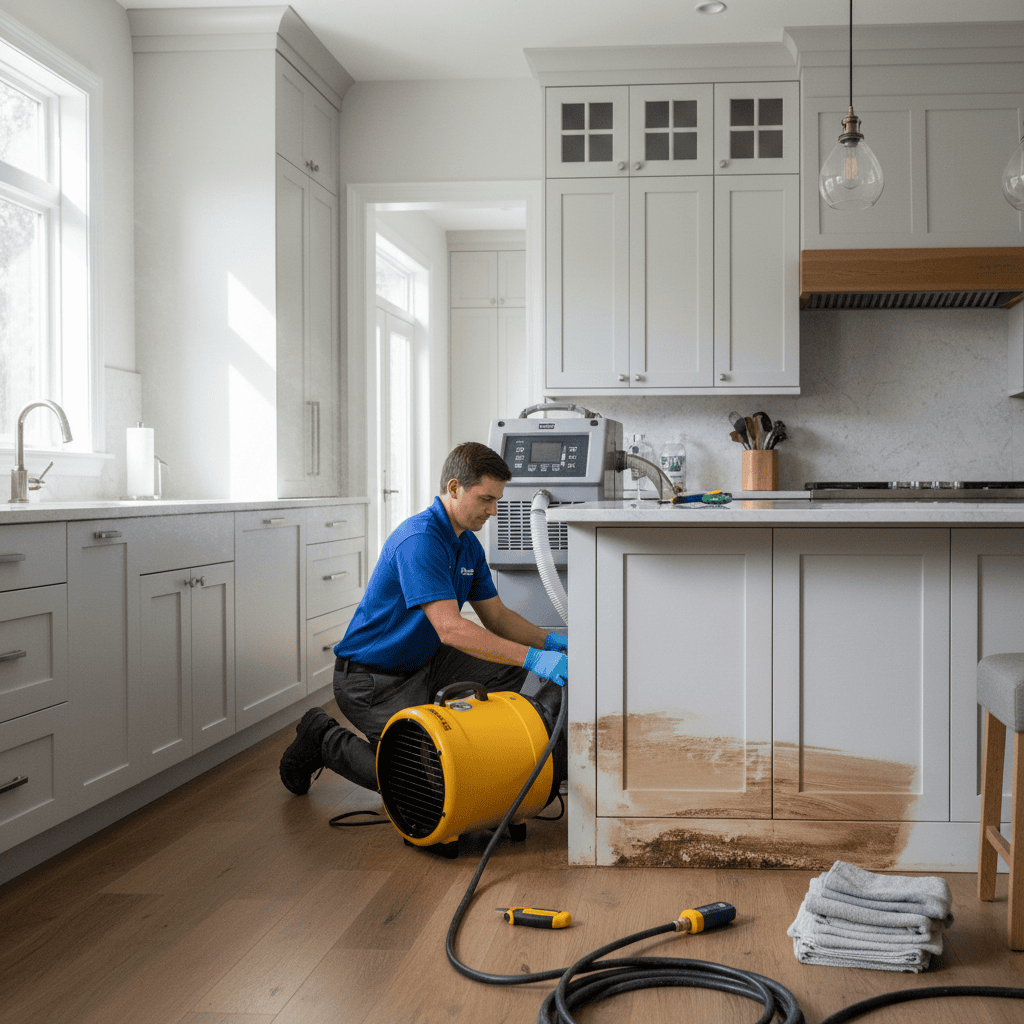
Water damage is one of the most common and costly problems homeowners and property managers face. Whether it is caused by a burst pipe, roof leak, overflowing appliance, stormwater intrusion, or plumbing failure, water can spread quickly and damage floors, walls, furniture, and structural materials in a short period of time.
A fast and informed response can significantly reduce repair costs and help prevent secondary issues such as mold growth, material deterioration, and indoor air quality problems. This Water Damage Restoration Guide explains the essential steps to take after water damage occurs, what to prioritize, when to call professionals, and how to reduce the risk of future incidents.
Why Immediate Action Matters
Water damage should never be treated as a minor inconvenience. Even when the visible water seems limited, moisture can travel behind walls, under flooring, and into insulation or subfloor materials. If the affected area is not dried properly, hidden moisture can remain trapped and create long-term problems.
Immediate action is important for several reasons:
-
It helps limit structural damage
-
It reduces the risk of mold and mildew growth
-
It improves the chances of saving materials and belongings
-
It supports insurance documentation and claims
Search more topics
-
It lowers the total cost of restoration and repairs
The first 24 to 48 hours are especially important. Delays during this period often lead to more extensive restoration work.
Common Causes of Water Damage
Understanding the source of water damage helps determine the right restoration approach. Different causes may also affect insurance coverage and sanitation requirements.
Common causes include:
-
Burst or leaking pipes
-
Water heater failures
-
Washing machine or dishwasher hose leaks
-
Overflowing toilets, sinks, or bathtubs
-
Roof leaks from damaged shingles or flashing
-
Stormwater intrusion through windows, doors, or foundations
-
HVAC condensation line clogs
-
Sump pump failure
-
Appliance malfunctions
-
Frozen pipes during winter
Some sources involve clean water, while others may involve contaminated water (for example, sewage backups or floodwater). This distinction is critical because contamination levels affect safety procedures and cleanup methods.
Step 1: Ensure Safety First
Before starting any cleanup, make sure the area is safe to enter.
Safety checklist
-
Turn off the main water supply if the leak is active
-
Switch off electricity to affected areas if water is near outlets, appliances, or wiring
-
Avoid standing water if electrical hazards may be present
-
Use protective gloves and waterproof footwear
-
Keep children and pets away from the damaged area
-
Do not use household vacuums to remove water
If there is any doubt about electrical safety, contact a licensed electrician or emergency restoration team before entering the area.
Step 2: Stop the Source of Water
Restoration cannot begin properly until the source of water has been controlled. This may involve shutting off a plumbing line, repairing a pipe, securing a roof leak, or stopping an appliance overflow.
If the source is not obvious, inspect:
-
Under sinks and cabinets
-
Around appliances
-
Ceiling stains and attic spaces
-
Water heater connections
-
Exterior walls and windows after rainfall
In larger or hidden leaks, professional leak detection may be necessary.
A complete Water Damage Restoration Guide must always begin with source control, because cleanup without fixing the cause only delays the problem.
Step 3: Document the Damage
Before removing water or moving items, document the affected areas as thoroughly as possible. This step is often overlooked, but it can be very important for insurance purposes and repair estimates.
What to document
-
Photos of all affected rooms and surfaces
-
Videos showing the extent of water spread
-
Damaged furniture, flooring, walls, and personal belongings
-
The source of water (if visible)
-
Time and date the damage was discovered
Also keep records of:
-
Emergency repair costs
-
Restoration invoices
-
Contractor inspections
-
Communication with insurance companies
Clear documentation helps create an accurate record of what happened and what work was required.
Step 4: Remove Standing Water Quickly
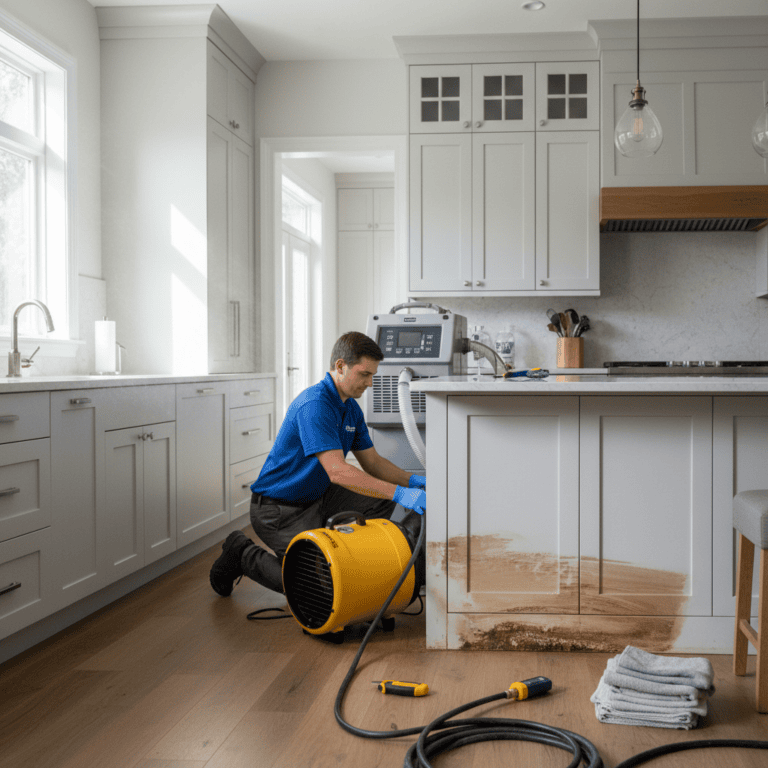
Standing water should be removed as soon as possible. The longer it remains, the more it penetrates porous materials such as drywall, wood, carpet, and insulation.
Water removal methods
-
Mops and towels for small spills
-
Wet/dry vacuum (only if safe and appropriate)
-
Pumps for larger amounts of water
-
Professional extraction equipment for severe flooding
For extensive damage, professional water extraction is usually the most effective option because commercial equipment removes water faster and more thoroughly than household tools.
Step 5: Begin Drying and Dehumidification
Water extraction is only the first part of the process. The next step drying is often the most important. Surfaces may look dry while hidden moisture remains inside walls, flooring systems, or cabinets.
Professional restoration teams typically use:
-
Moisture meters
-
Thermal imaging tools (in some cases)
Why drying matters
Improper drying can lead to:
-
Warped flooring
-
Damaged drywall
-
Swollen cabinetry
-
Persistent odors
-
Mold growth
-
Structural weakening over time
Do not assume the area is dry based on appearance alone. Moisture measurements provide a much more reliable indication of whether materials are safe to restore or need replacement.
This is one of the most important sections in any Water Damage Restoration Guide, because incomplete drying is a major cause of repeat problems after cleanup.
Step 6: Evaluate What Can Be Restored vs Replaced
Not all materials respond to water exposure in the same way. Some can be dried and restored successfully, while others may need partial or full replacement depending on saturation level, exposure time, and contamination.
Materials often restorable (depending on severity)
-
Tile and some stone surfaces
-
Concrete
-
Metal fixtures
-
Some hardwood flooring (if treated quickly)
-
Solid wood furniture (case by case)
Materials frequently replaced
-
Wet drywall (especially if saturated for long periods)
-
Insulation
-
Carpet padding
-
Particleboard or MDF cabinetry
-
Laminate flooring with swelling
-
Ceiling tiles
A professional assessment can help determine whether restoration is realistic or if replacement is the safer and more cost-effective option.
Step 7: Clean, Sanitize, and Control Odors
After water removal and drying, affected surfaces should be cleaned and, when necessary, sanitized. This is especially important if the water source was contaminated or if moisture remained for an extended period.
Post-drying cleanup may include
-
Surface cleaning of walls and floors
-
Antimicrobial treatment (as appropriate)
-
Odor control measures
-
Air filtration in heavily affected areas
-
Disposal of unsalvageable materials
Avoid using strong chemicals without guidance, especially in enclosed indoor spaces. Use products appropriate for the affected surface and contamination type.
Step 8: Repair and Restore the Property
Once the area is dry and safe, the final stage is repair and restoration. This may range from minor cosmetic work to larger structural repairs.
Examples of restoration work include:
-
Drywall repair and repainting
-
Baseboard and trim replacement
-
Cabinet repairs
-
Flooring replacement or refinishing
-
Ceiling repair after roof or plumbing leaks
-
Insulation replacement
-
Subfloor repairs in severe cases
The goal is not only to restore appearance, but also to ensure the property is structurally sound and protected from future moisture issues.
When to Call a Professional Restoration Company
Some minor incidents can be managed by homeowners, such as a small clean-water spill that is addressed immediately. However, many situations require professional help.
Call professionals if:
-
Water has affected multiple rooms
-
Water has been present for more than a few hours
-
The source involves sewage or contaminated water
-
Walls, ceilings, or flooring are saturated
-
There is visible mold or strong musty odor
-
The leak source is hidden
-
You need moisture testing for insurance or repair decisions
-
Electrical systems may be affected
Professional restoration companies can often prevent larger losses by responding quickly with proper extraction and drying equipment.
A practical Water Damage Restoration Guide should help readers know their limits and avoid underestimating serious damage.
Insurance Considerations
Insurance coverage for water damage depends on the cause of loss and the details of the policy. In many cases, sudden and accidental water damage may be covered, while long-term neglect or maintenance issues may not be.
Best practices for insurance claims
-
Report the damage promptly
-
Document everything before and during cleanup
-
Keep receipts and invoices
-
Ask your insurer what mitigation steps are expected
-
Do not discard major damaged items until instructed (unless they create a safety risk)
If possible, maintain a written timeline of events, including when the damage was discovered and when emergency response began.
How to Prevent Future Water Damage
Prevention is always more affordable than major restoration. Routine inspections and maintenance can reduce the chance of unexpected water damage significantly.
Prevention tips
-
Inspect under sinks and around appliances regularly
-
Replace old hoses on washing machines and dishwashers
-
Check roof condition and flashing annually
-
Clean gutters and downspouts
-
Seal windows and exterior openings
-
Maintain sump pumps and backup systems
-
Insulate pipes in cold weather
-
Monitor your water bill for unusual increases
-
Install leak detectors near water heaters, sinks, and appliances
-
Know where your main water shutoff valve is located
Consistent maintenance helps detect small issues before they become expensive emergencies.
Final Thoughts
Water damage can escalate quickly, but a structured response makes a major difference. The key priorities are safety, source control, documentation, water removal, proper drying, and informed repair decisions. Acting early can reduce both financial loss and long-term property risk.
This Water Damage Restoration Guide is designed to help homeowners, landlords, and property managers respond effectively when water damage occurs and make better decisions during cleanup and restoration. Whether the issue is minor or severe, taking the right steps in the correct order can protect your property and prevent more serious complications.
At SDInformation, we publish practical educational content to help readers make informed decisions about home safety, maintenance, and repair. This Water Damage Restoration Guide is intended for informational purposes and can help you understand the restoration process, recognize warning signs early, and know when professional assistance is necessary.
Search Anything
Search any topic — including insurance, loans, travel, technology, health, and more.
About The Author