Traveling for the first time is exciting, but it can also feel overwhelming. New places, unfamiliar systems, different cultures, and unexpected situations can turn a dream trip into a stressful experience if you’re not prepared. The good news is that first-time travel doesn’t have to be complicated. With a little planning and the right mindset, you can enjoy your journey confidently and comfortably.
This guide covers simple, practical travel tips to help first-time travelers avoid common mistakes and start their trip on the right foot.
Start With a Simple Destination
For your first trip, choose a destination that is easy to navigate. Countries or cities with good public transportation, clear signage, and tourist-friendly infrastructure make the experience smoother. Avoid overplanning multiple locations in one trip. Staying in one city or region allows you to explore without feeling rushed or confused.
A shorter trip is often better than a long one when you’re starting out. It helps you learn the basics of travel without exhaustion.
Organize Important Documents Early
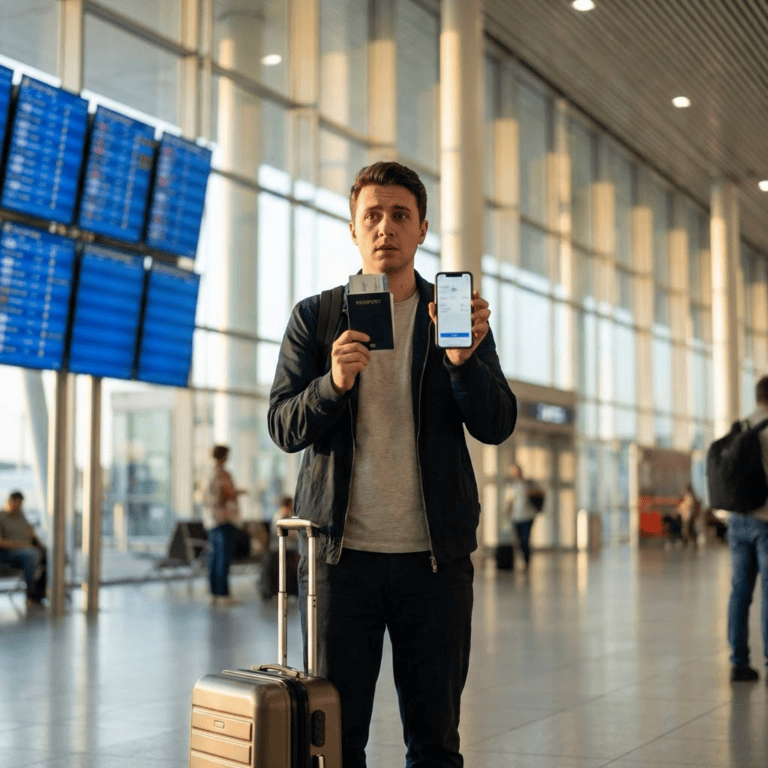
One of the most important steps before traveling is organizing your documents. Make sure your passport or ID is valid and won’t expire soon. Keep digital copies of your documents on your phone or email as a backup.
Carry essential documents in one secure place and avoid pulling them out unnecessarily. A small travel pouch or zippered bag works well for keeping things organized.
Pack Light and Smart
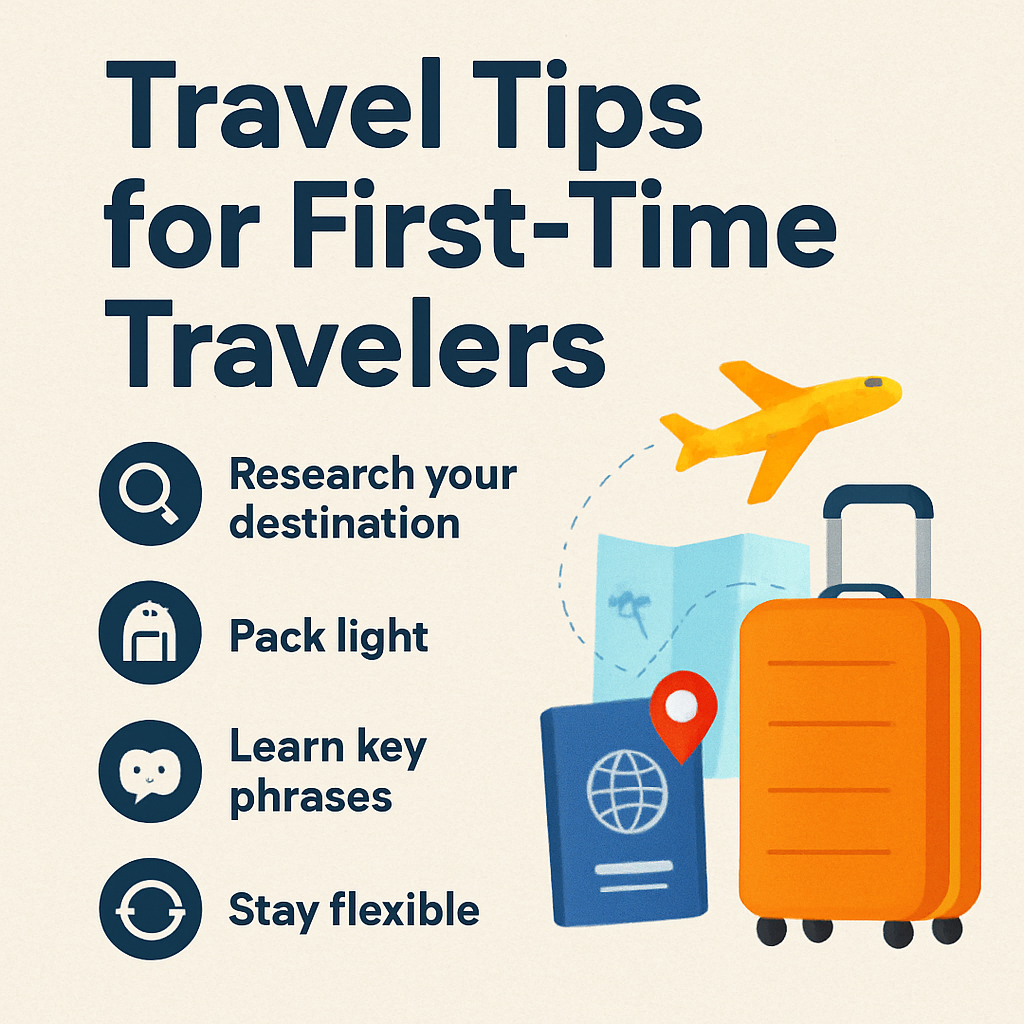
Overpacking is one of the most common mistakes first-time travelers make. Focus on essentials rather than “just in case” items. Comfortable clothing, basic toiletries, and one versatile pair of shoes usually cover most needs.
Search more topics
Explore related answers and trending queries in seconds.
Choose clothes that can be mixed and matched. Packing light makes transportation easier and reduces stress when moving between places.
Plan a Basic Budget
Before you go, set a realistic budget that includes transportation, accommodation, food, activities, and a small emergency fund. Knowing your spending limits helps you enjoy the trip without constantly worrying about money.
It’s also helpful to inform your bank before traveling and carry more than one payment option if possible.
Learn Basic Local Information
You don’t need to master a new language, but learning a few basic words or phrases can be helpful and appreciated. Understanding local customs, tipping practices, and common etiquette can also prevent awkward moments.
Knowing how public transportation works or where to find basic services like pharmacies saves time and reduces confusion.
Stay Aware and Flexible
Travel rarely goes exactly as planned. Delays, weather changes, or small issues are part of the experience. Staying calm and flexible makes a huge difference. Always allow extra time for transportation and avoid scheduling activities too tightly.
Trust your instincts and stay aware of your surroundings, especially in unfamiliar places.
Enjoy the Experience
First-time travel is about learning as much as it is about seeing new places. Take time to observe, walk around, and enjoy moments without rushing. Some of the best travel memories come from simple experiences rather than planned attractions.
Final Thought
Every experienced traveler was once a beginner. Mistakes happen, and that’s part of the journey. With basic preparation and a relaxed approach, your first trip can be both enjoyable and memorable. Travel isn’t about perfection—it’s about discovery.
About The Author

Search Anything
Search any topic — insurance, loans, travel, technology, health, and more.