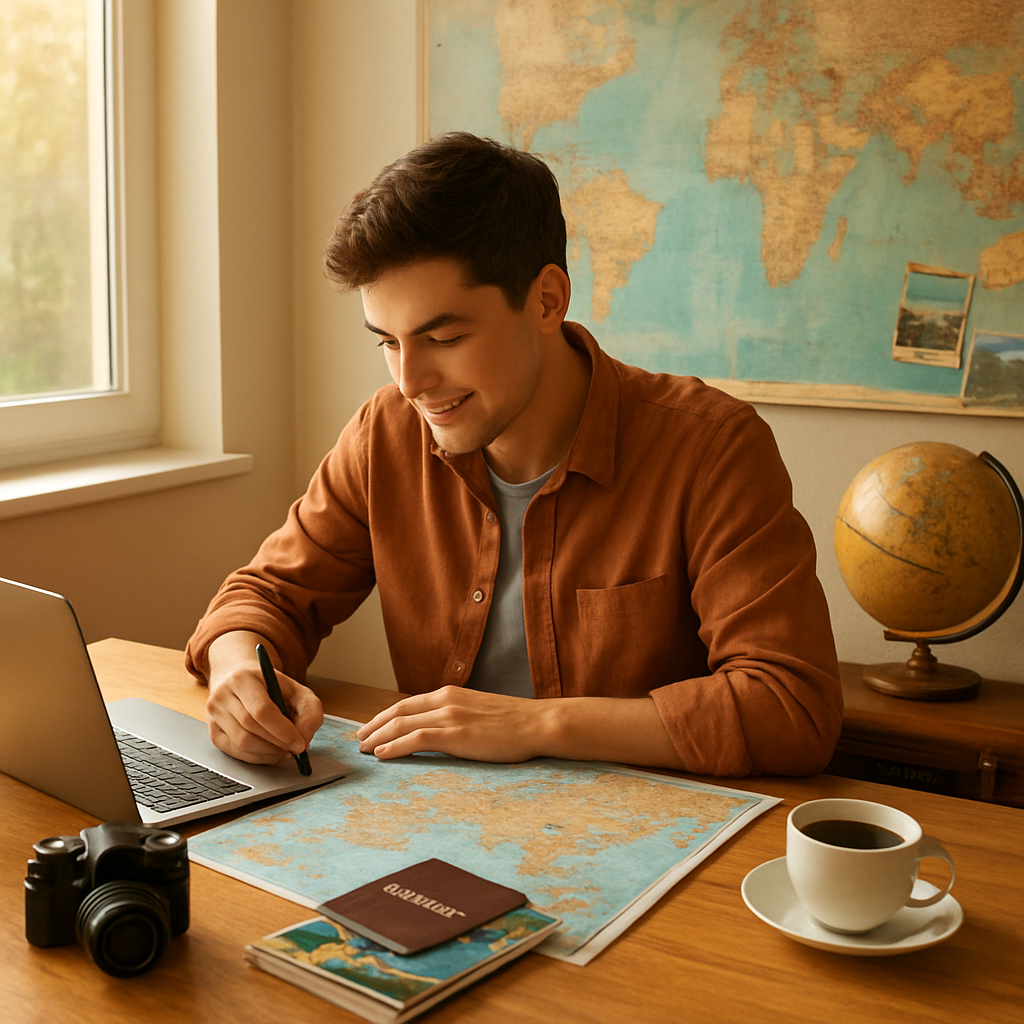
Smart travel starts here — plan, learn, and explore with confidence.
Have you ever dreamed of exploring ancient temples in Thailand, walking through the romantic streets of Paris, or watching the Northern Lights dance across the sky in Iceland? The world is FULL of incredible places waiting to be discovered, & taking your first big trip can feel both exciting & overwhelming at the same time. Many first-time travelers make costly mistakes that could easily be avoided with the right knowledge & preparation.
Smart travel isn’t just about saving money – it’s about maximizing your experiences, staying SAFE, & making memories that will last a lifetime. Whether you’re planning a weekend getaway to a nearby city or dreaming of a month-long adventure across Europe, the fundamentals remain the same. This comprehensive guide will walk you through everything you need to know to become a savvy traveler from day one.
From choosing the perfect destination & booking affordable flights to packing efficiently & navigating cultural differences, we’ll cover all the essential skills that separate amateur tourists from experienced explorers. You’ll learn insider secrets that took seasoned travelers years to discover, common pitfalls to avoid, & practical strategies that will transform your travel experience. By the end of this article, you’ll have the confidence & knowledge to plan your dream trip like a PRO.
Planning Your Adventure: Research & Preparation Made Simple
The foundation of any GREAT trip starts long before you step foot on a plane. Smart travelers know that proper research & planning can make the difference between a stressful vacation & an unforgettable adventure. Start by choosing a destination that matches your interests, budget, & travel style. Are you drawn to bustling cities with world-class museums & restaurants, or do you prefer quiet beaches & natural landscapes?
Once you’ve picked your destination, dive deep into understanding the local culture, weather patterns, & seasonal variations. For example, visiting Japan during cherry blossom season in spring offers breathtaking beauty but comes with higher prices & larger crowds. Traveling during shoulder seasons (the periods between peak & off-peak times) often provides the perfect balance of good weather, reasonable prices, & manageable tourist numbers.
Create a flexible itinerary that includes must-see attractions but leaves room for spontaneous discoveries. Many first-time travelers make the mistake of overpacking their schedules, trying to see everything in a short amount of time. This approach often leads to exhaustion & prevents you from truly experiencing the places you visit. Instead, choose a few key experiences & allow time to wander, explore local neighborhoods, & connect with people.
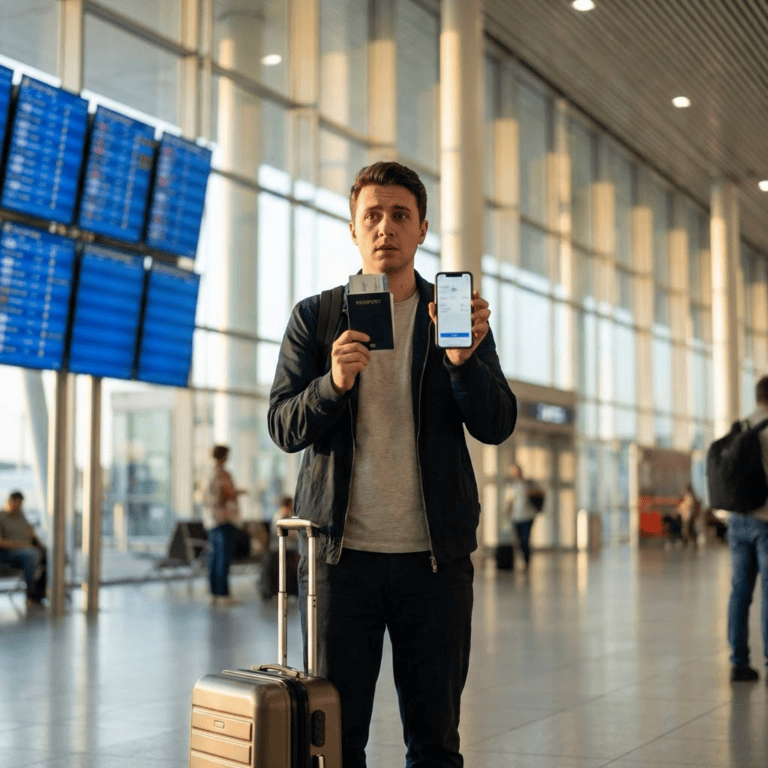
Research visa requirements, vaccination needs, & travel insurance options well in advance. Some countries require visas that can take weeks to process, & certain destinations may require specific vaccinations for entry. Travel insurance might seem like an unnecessary expense, but it can save you thousands of dollars if unexpected medical emergencies or trip cancellations occur. Consider it a small investment in your peace of mind & financial SECURITY.
Mastering the Art of Budget-Friendly Travel
Traveling doesn’t have to break the bank, & with smart strategies, you can stretch your budget much further than you might expect. The key is understanding where to splurge & where to save. Accommodation often represents the largest portion of your travel budget, so this is where smart choices can have the BIGGEST impact. Consider alternatives to traditional hotels like hostels, guesthouses, vacation rentals, or even house-sitting opportunities.
Search more topics
Explore related answers and trending queries in seconds.
Hostels aren’t just for college students – many modern hostels offer private rooms, excellent facilities, & great social atmospheres where you can meet fellow travelers. Vacation rentals can be particularly cost-effective for longer stays or when traveling with friends, as they often include kitchen facilities that allow you to prepare some of your own meals. House-sitting provides free accommodation in exchange for caring for someone’s home & pets, offering an authentic local experience.
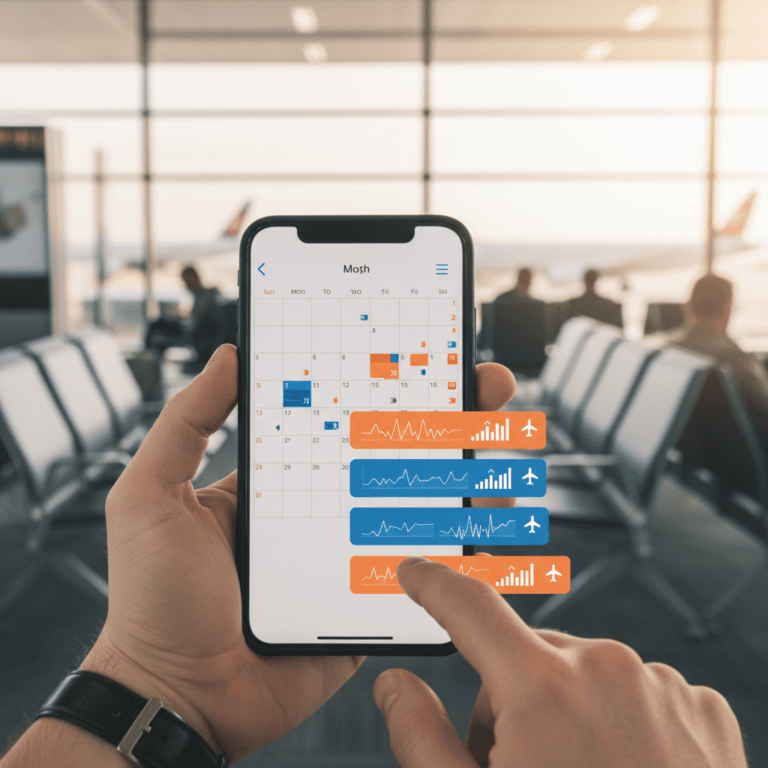
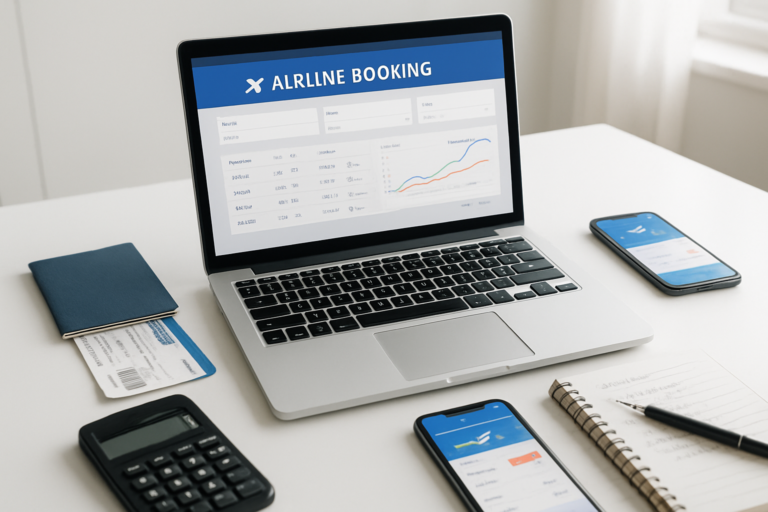
Transportation costs can quickly add up, but flexible travelers have numerous options for saving money. Book flights well in advance & be flexible with your travel dates – flying on Tuesdays & Wednesdays is often cheaper than weekend travel. Consider budget airlines for short flights, but remember to factor in additional fees for baggage & seat selection. For ground transportation, research public transit options, which are often efficient & affordable ways to get around while experiencing local life.
Food expenses can vary dramatically depending on your choices. Street food & local markets often provide the most authentic & affordable dining experiences. Many destinations offer incredible local cuisine at a fraction of the cost of tourist-oriented restaurants. Set a daily budget for meals & stick to it, but don’t be afraid to occasionally splurge on a special dining experience that showcases local CULTURE & flavors.
Packing Like a Pro: Essential Items & Smart Strategies
Efficient packing is an ART that can significantly impact your travel experience. The golden rule of packing is to bring half the clothes & twice the money you think you’ll need. Most travelers overpack clothing & underestimate their spending needs. Choose versatile pieces that can be mixed & matched to create multiple outfits, & stick to a cohesive color scheme that allows everything to coordinate.
Invest in quality luggage that suits your travel style. A good backpack is essential for adventure travel or frequent movement between destinations, while a sturdy suitcase with wheels might be better for business trips or luxury travel. Packing cubes are GAME-changers that help organize your belongings & maximize space efficiency. They make it easy to find specific items without unpacking everything & help compress your clothing to fit more in your luggage.
Create a comprehensive packing checklist that includes essentials like travel documents, medications, phone chargers, & appropriate clothing for your destination’s climate. Don’t forget practical items like a universal power adapter, portable phone charger, basic first aid supplies, & copies of important documents stored separately from the originals. A small daypack is invaluable for daily excursions & can double as your personal item on flights.
Consider the activities you’ll be doing & pack accordingly. Hiking boots are essential for mountain adventures but unnecessary dead weight for city exploration. Research your destination’s dress codes, especially for religious sites or upscale restaurants, & pack at least one outfit that meets these requirements. Remember that you can buy toiletries & basic necessities at your destination, so don’t waste precious luggage space on items you can easily PURCHASE abroad.
Staying Safe & Healthy While Exploring
Your safety & health should always be top priorities when traveling, but this doesn’t mean you need to live in fear or avoid adventure. Smart travelers take reasonable precautions & stay informed about potential risks in their destinations. Research common scams, unsafe areas, & local emergency procedures before you arrive. Knowledge is your best defense against potential problems.
Keep your valuables secure & avoid displaying expensive items like jewelry, cameras, or large amounts of cash. Use hotel safes for passports, extra cash, & electronics when you’re not using them. Consider wearing a money belt or hidden pouch for important documents & emergency cash. Make copies of your passport, driver’s license, & credit cards, storing them separately from the originals & leaving copies with trusted contacts at home.
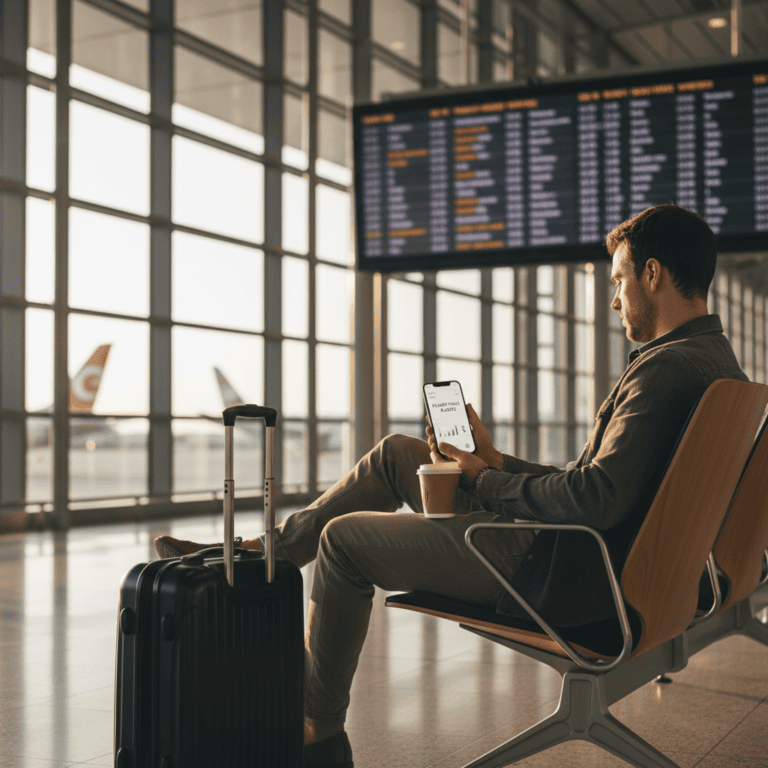
Stay connected with family & friends by sharing your itinerary & checking in regularly. Modern technology makes this easier than ever – consider downloading offline maps, translation apps, & emergency contact information before you travel. Many smartphones work internationally with appropriate data plans, but research costs & options before you go to avoid EXPENSIVE roaming charges.
Pay attention to your health needs & take preventive measures. Stay hydrated, especially in hot climates or high altitudes. Be cautious with food & water in destinations where sanitation standards differ from what you’re accustomed to. Carry a basic first aid kit with pain relievers, bandages, & any prescription medications you need. Consider purchasing travel-sized hand sanitizer & using it frequently, especially during cold & flu seasons.
Embracing Cultural Differences & Making Connections
One of the most rewarding aspects of travel is experiencing different cultures & connecting with people from around the world. Approach new cultures with curiosity, respect, & an open mind. What seems strange or different at first often becomes fascinating when you take time to understand the reasons behind local customs & traditions. Learning a few basic phrases in the local language shows respect & often leads to warmer interactions with locals.
Observe & follow local customs, especially regarding dress codes, tipping practices, & social etiquette. What’s considered polite in one culture might be rude in another. For example, in some Asian cultures, it’s customary to remove shoes before entering homes or certain buildings, while in others, showing the soles of your feet is considered disrespectful. A little research goes a long way in helping you navigate these cultural nuances.
Don’t be afraid to step outside your comfort zone & try new experiences. Some of your best travel memories will come from unexpected situations – maybe it’s learning to cook a traditional dish from a local family, participating in a cultural festival, or having a conversation with a fellow traveler from a completely different background. These authentic experiences are what separate meaningful travel from simple TOURISM.
Be patient with yourself & others when language barriers or cultural misunderstandings arise. Use gestures, translation apps, or drawings to communicate when words fail. Most people appreciate travelers who make an effort to connect, even if the communication isn’t perfect. Remember that travel is about growth & learning, & every challenge you overcome makes you a more confident & capable explorer.
Your Journey Starts Now: Taking the First Step Toward Adventure
Smart travel is a skill that develops over time, & every trip teaches you something new about the world & yourself. The most important step is simply beginning – don’t wait for the perfect time, unlimited budget, or ideal circumstances. Start planning your first adventure today, whether it’s a weekend trip to a nearby city or a grand international expedition.
Remember that mistakes are part of the learning process, & even experienced travelers encounter unexpected challenges. The key is maintaining flexibility, keeping a positive attitude, & viewing problems as opportunities to develop problem-solving skills. Every missed flight, language barrier, or navigation error becomes a story to share & a lesson for future travels.
Your first trip doesn’t have to be PERFECT to be amazing. Focus on the experiences, connections, & personal growth that travel provides. Take time to appreciate the small moments – a beautiful sunset, a delicious meal, a kind gesture from a stranger, or the satisfaction of navigating a foreign city successfully. These moments are the real treasures of travel.
The world is vast & full of incredible experiences waiting for you to discover them. Use the strategies & tips from this guide as your foundation, but remember that the best travel advice comes from your own experiences. Start planning, pack your bags, & take that first step toward becoming the confident, savvy traveler you’ve always wanted to be. Your adventure begins the moment you decide to explore beyond your comfort zone & embrace the beautiful uncertainty of travel.
This is an educational travel article by SDInformation, created to inspire and inform new travelers on how to explore the world smarter and safer.
About The Author

Search Anything
Search any topic — insurance, loans, travel, technology, health, and more.