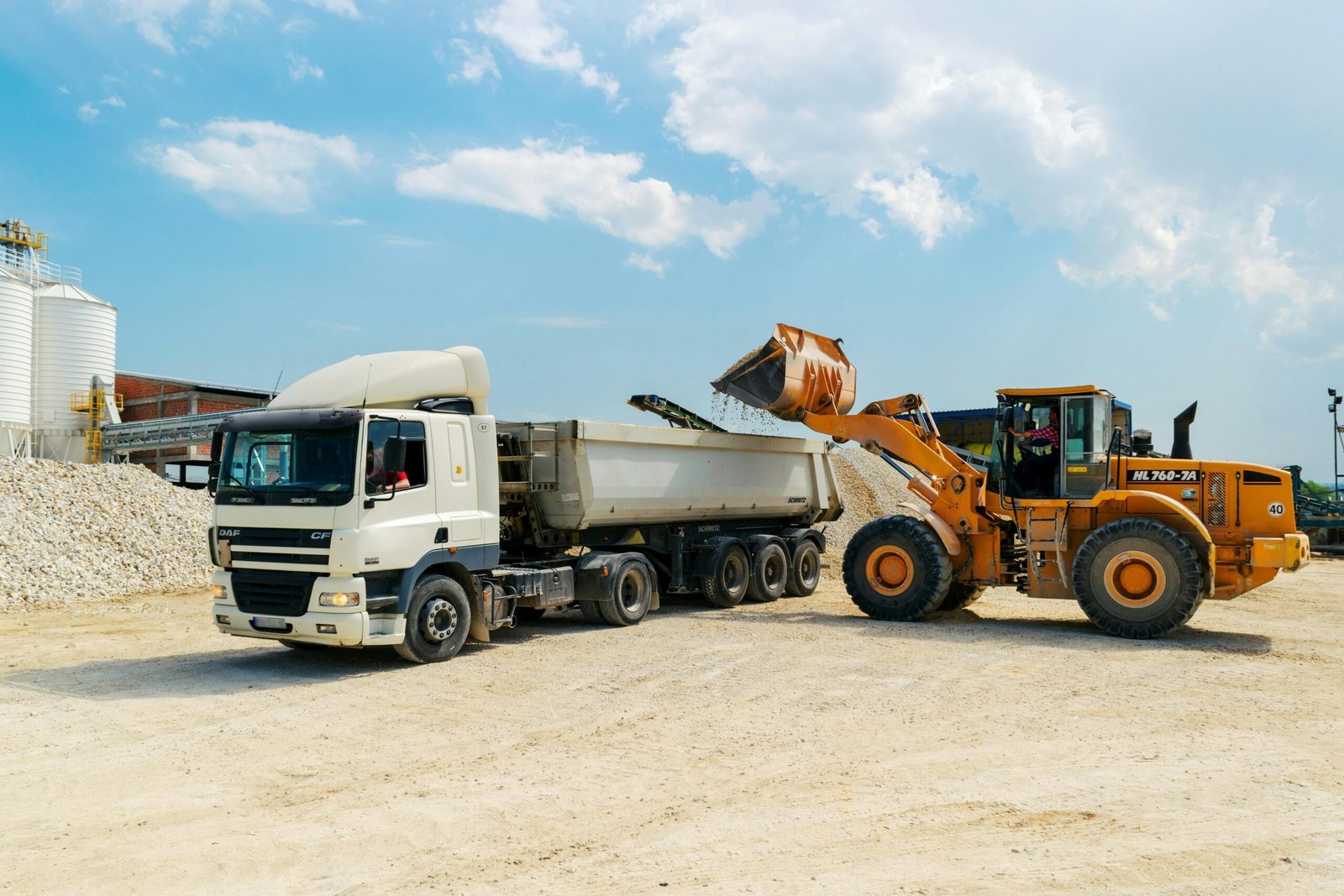
Running a trucking business in Texas comes with a unique set of challenges. From navigating busy highways to meeting state and federal regulations, every mile carries potential risks. That’s why Texas Truck Insurance is not just a legal requirement—it’s an essential safeguard for your trucks, cargo, drivers, and overall business.
Whether you are an owner-operator, manage a small fleet, or operate a larger commercial trucking company, understanding the ins and outs of truck insurance in Texas will help you stay compliant, reduce financial risk, and focus on growing your business.
What is Texas Truck Insurance?
Texas Truck Insurance refers to commercial insurance specifically designed for trucks operating within Texas or across state lines. Unlike standard auto insurance, commercial truck policies are tailored to the trucking industry and can cover:
Vehicle damage due to collisions or theft
Liability for accidents involving property or bodily injury
Protection for cargo while in transit
Non-trucking liability and bobtail coverage for owner-operators
Workers’ compensation and occupational accident coverage
Search more topics
Explore related answers and trending queries in seconds.
With the right policy, you can minimize financial exposure while ensuring your operations remain compliant with both Texas state law and federal requirements.
Why Texas Truck Insurance is Mandatory
Texas law requires commercial trucks to carry liability insurance as a minimum. Liability insurance protects your business if your truck causes injury or property damage to others.
Additionally, if your truck is used in interstate commerce, you must comply with FMCSA regulations. This includes filing forms like MCS-90, BMC-91X, and maintaining minimum federal liability coverage based on the type of cargo you transport.
Minimum Insurance Requirements for Texas Trucks
The state of Texas sets specific minimum coverage levels depending on the weight of the truck and the type of cargo:
$300,000 for household goods
$500,000 for general freight
$1,000,000 for oil transport
$5,000,000 for hazardous materials
Meeting these minimums keeps you compliant with state law, but many trucking companies and brokers require higher coverage levels to protect their business and ensure safe delivery.
How Much Does Texas Truck Insurance Cost?
The cost of Texas Truck Insurance varies depending on multiple factors, including:
Type and age of your truck
Freight type and cargo value
Driving record and safety history
Radius of operations (intrastate vs. interstate)
Number of trucks in your fleet
Required filings with FMCSA or Texas Department of Insurance (TDI)
Average annual premiums for Texas truck insurance range from $9,500 to $22,500, with owner-operators typically paying less than larger fleets. Trucks hauling hazardous materials, oilfield cargo, or long-haul freight often face higher premiums due to increased risk.
Types of Coverage in Texas Truck Insurance
To fully protect your trucking business, consider including the following coverage types:
1. Primary Liability
Covers bodily injury and property damage caused by your truck. This is required by law in Texas.
2. Physical Damage
Protects your truck and trailers against collisions, theft, fire, or natural disasters.
3. Motor Truck Cargo
Covers goods and freight in transit. Essential for owner-operators and fleets hauling valuable cargo.
4. Bobtail / Non-Trucking Liability
Provides coverage when the truck is operated without a trailer or outside of dispatch.
5. Trailer Interchange
Covers damage to trailers you do not own while in your care.
6. Workers’ Compensation / Occupational Accident
Required if you employ drivers, or optional coverage for owner-operators to protect against injuries.
7. General Liability
Covers business operations outside of driving-related incidents.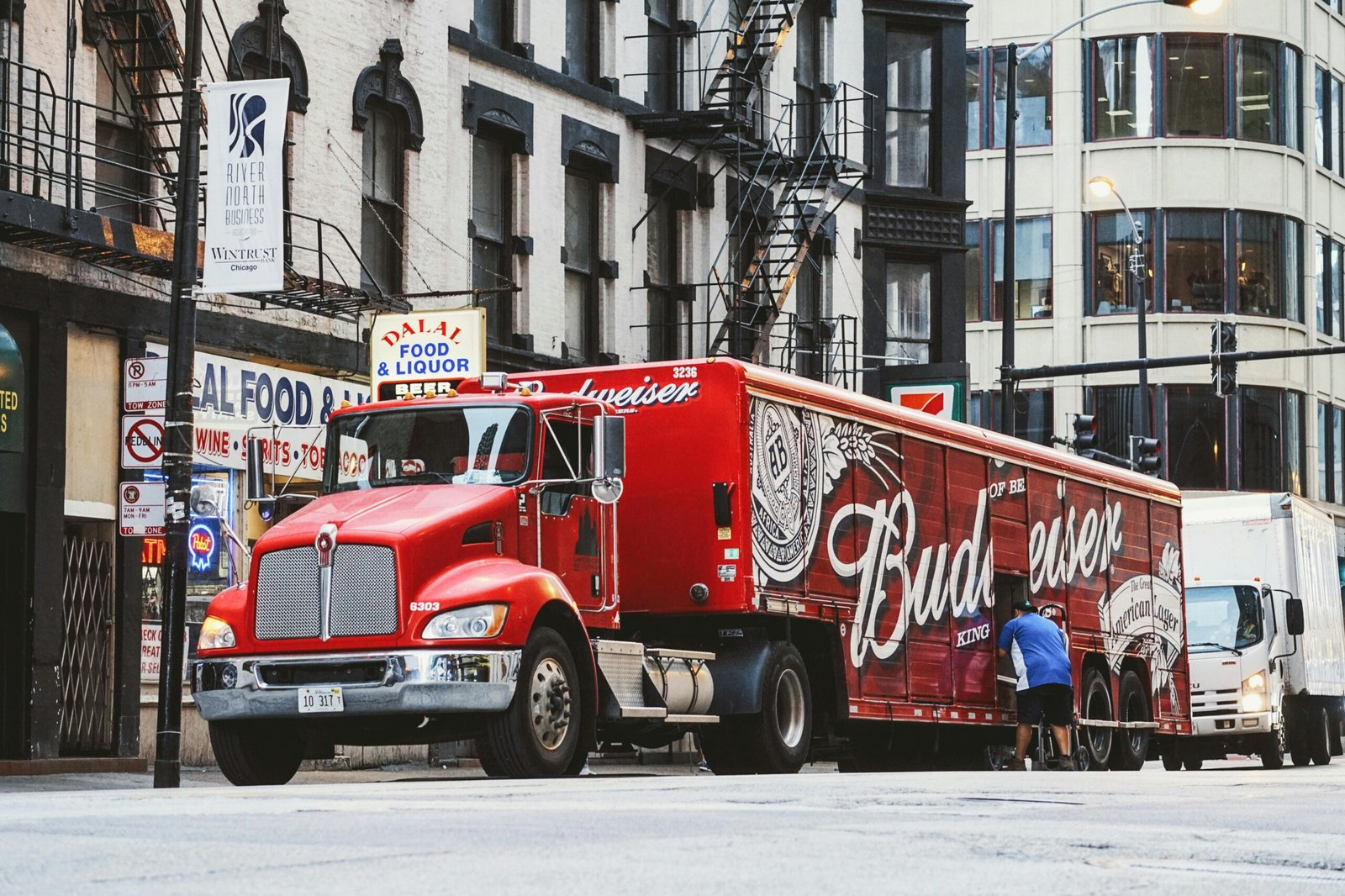
Factors Affecting Your Texas Truck Insurance Premium
Insurance companies consider the following factors when calculating your rates:
Driver’s record: Accidents, violations, and driving experience
Truck type: Semi-truck, box truck, or hotshot truck
Cargo type: Hazmat, refrigerated goods, or general freight
Operating radius: Local vs. long-haul
Safety technology: GPS tracking, dash cams, and ELD systems
Fleet size: Larger fleets may qualify for bulk discounts
Maintaining a clean safety record and investing in technology to reduce risk can help lower premiums.
How to Choose the Right Texas Truck Insurance
Selecting the right Texas Truck Insurance provider is crucial. Look for:
Experience in commercial trucking: Specialized providers understand unique industry risks.
Strong claims support: Quick, efficient handling of accidents and cargo claims.
Compliance assistance: Help with FMCSA and TDI filings.
Customizable policies: Tailored coverage for single trucks, small fleets, or large operations.
Competitive pricing: Options that balance coverage needs with budget.
Many truckers also work with independent brokers who compare multiple insurers to find the best fit.
Tips for Reducing Truck Insurance Costs in Texas
Maintain a clean driving record and safety compliance
Operate newer or well-maintained trucks
Install safety and tracking technology
Bundle multiple coverages for discounts
Pay annually instead of monthly to reduce fees
Review coverage regularly to avoid over-insuring
Protect Your Trucking Business with Texas Truck Insurance
Commercial trucking is a high-risk business, but the right Texas Truck Insurance policy ensures your trucks, cargo, and drivers are protected. Whether you operate locally in Dallas, Houston, Austin, or across Texas highways, investing in proper insurance coverage protects your business and gives you peace of mind.
Start protecting your operation today. Compare policies, understand your state and federal requirements, and get a customized quote to ensure your trucks and cargo are fully covered.
About The Author

Search Anything
Search any topic — insurance, loans, travel, technology, health, and more.