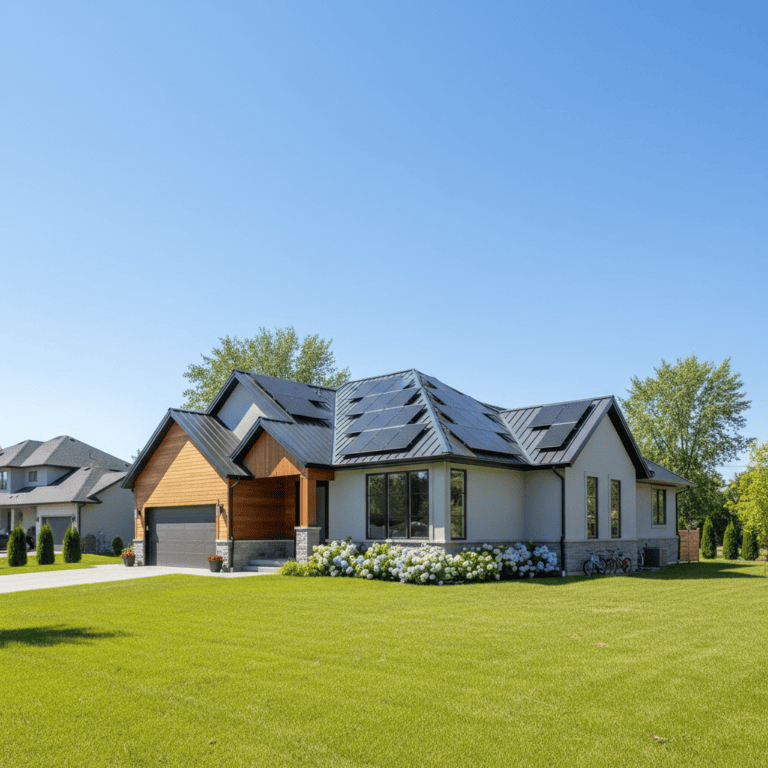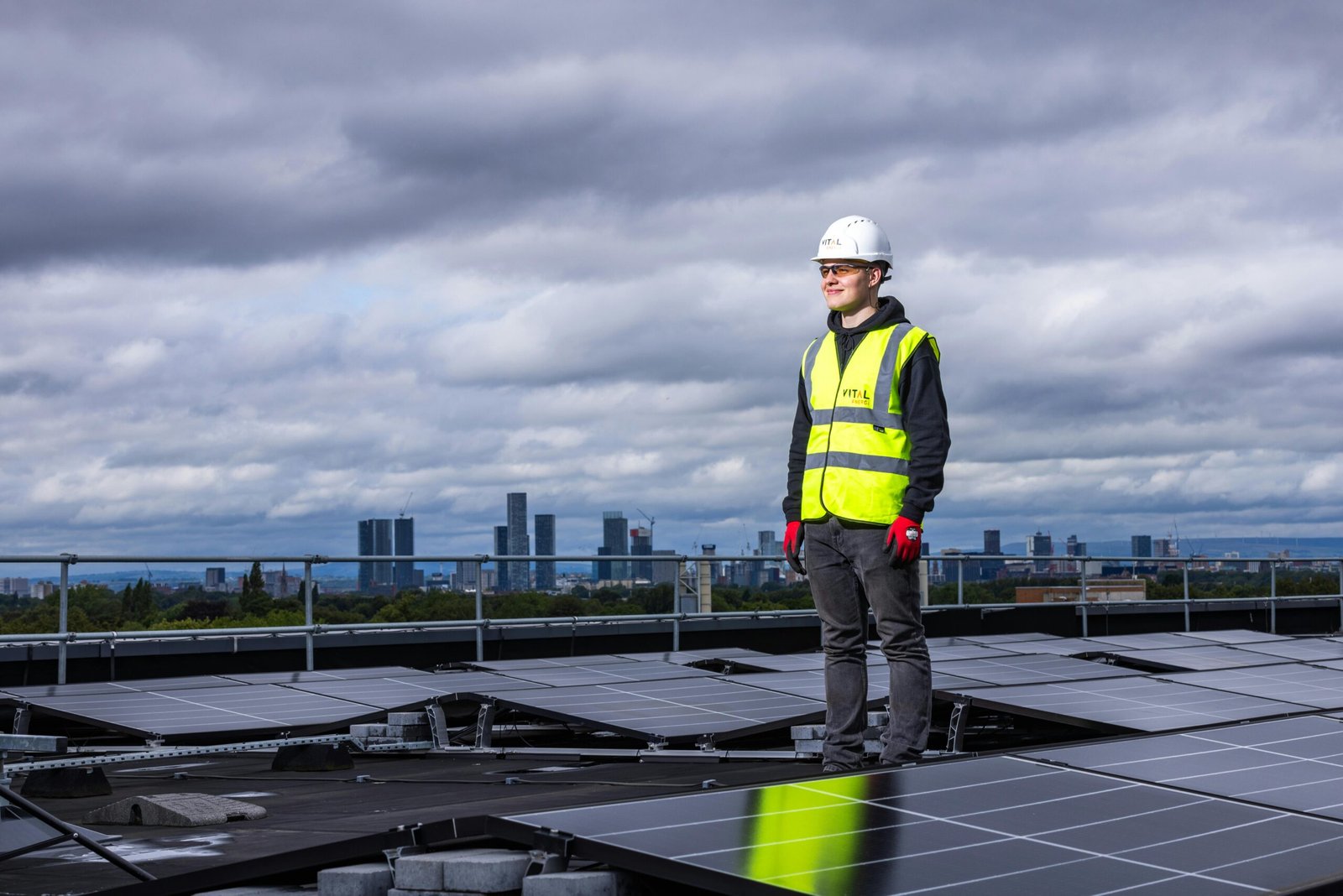
Interest in solar panels in Pennsylvania has grown steadily over the past decade, and for good reason. Rising electricity prices, improving solar technology, and long-term incentives have made solar power a serious option for homeowners and businesses across the state. What was once considered impractical in a northern climate is now one of the fastest-growing renewable energy choices in Pennsylvania.
Still, many people hesitate. Questions about sunlight levels, costs, legality, and real-world performance remain common. This guide explains how solar energy works in Pennsylvania, whether it’s worth the investment, and what the future looks like for solar power in the state.
Is Solar Energy Worth It in Pennsylvania?
For many homeowners, solar energy is absolutely worth it in Pennsylvania, especially when viewed as a long-term investment rather than a short-term savings play.
Pennsylvania residents pay electricity rates that continue to trend upward, while solar installation costs have dropped significantly over the last decade. When you combine lower panel costs with federal incentives and net metering, the financial case becomes strong.
Most Pennsylvania homeowners who install solar panels experience:
-
Noticeably lower electric bills
-
Protection from future utility rate increases
-
A payback period of roughly 7–11 years
Search more topics
Explore related answers and trending queries in seconds.
-
Decades of reduced energy costs after the system pays for itself
Solar makes the most sense for homeowners who plan to stay in their home long-term, but even resale value tends to increase when a property has an owned solar system.
Do Solar Panels in Pennsylvania Work Well?
Yes, solar panels work reliably in Pennsylvania.
A common misconception is that solar needs intense heat or constant sunshine. In reality, solar panels generate power from daylight, not temperature. Modern photovoltaic panels perform efficiently in cooler climates and can still generate electricity on cloudy days.
Pennsylvania receives enough annual solar exposure to make solar systems productive, particularly from spring through early fall. Even in winter, panels continue to generate energy as long as they are exposed to daylight.
Key factors that affect performance include:
-
Roof orientation and tilt
-
Panel efficiency
-
Shading from trees or nearby buildings
-
System size and inverter quality
With proper system design, solar power remains dependable throughout the year in Pennsylvania.
What State Is the Most Solar-Friendly?
States such as California, Texas, Arizona, New Jersey, and Florida are often considered the most solar-friendly due to strong sunlight and aggressive renewable energy policies.
Pennsylvania does not lead the country in solar generation, but it remains a solid mid-tier solar state. The combination of net metering, SRECs, and federal tax credits makes solar adoption financially reasonable even without extreme sunlight levels.
The growth of residential and small commercial solar in Pennsylvania reflects this balanced position.
What Percentage of Pennsylvania’s Energy Is Renewable?
Currently, around 20% of Pennsylvania’s electricity comes from renewable sources, with solar energy making up a growing share of that total.
Pennsylvania’s energy mix includes:
-
Natural gas (the largest share)
-
Nuclear power
-
Wind energy
-
Hydropower
-
Solar energy
While solar is still a smaller contributor compared to gas or nuclear, it is one of the fastest-expanding renewable energy sources in the state, especially at the residential level.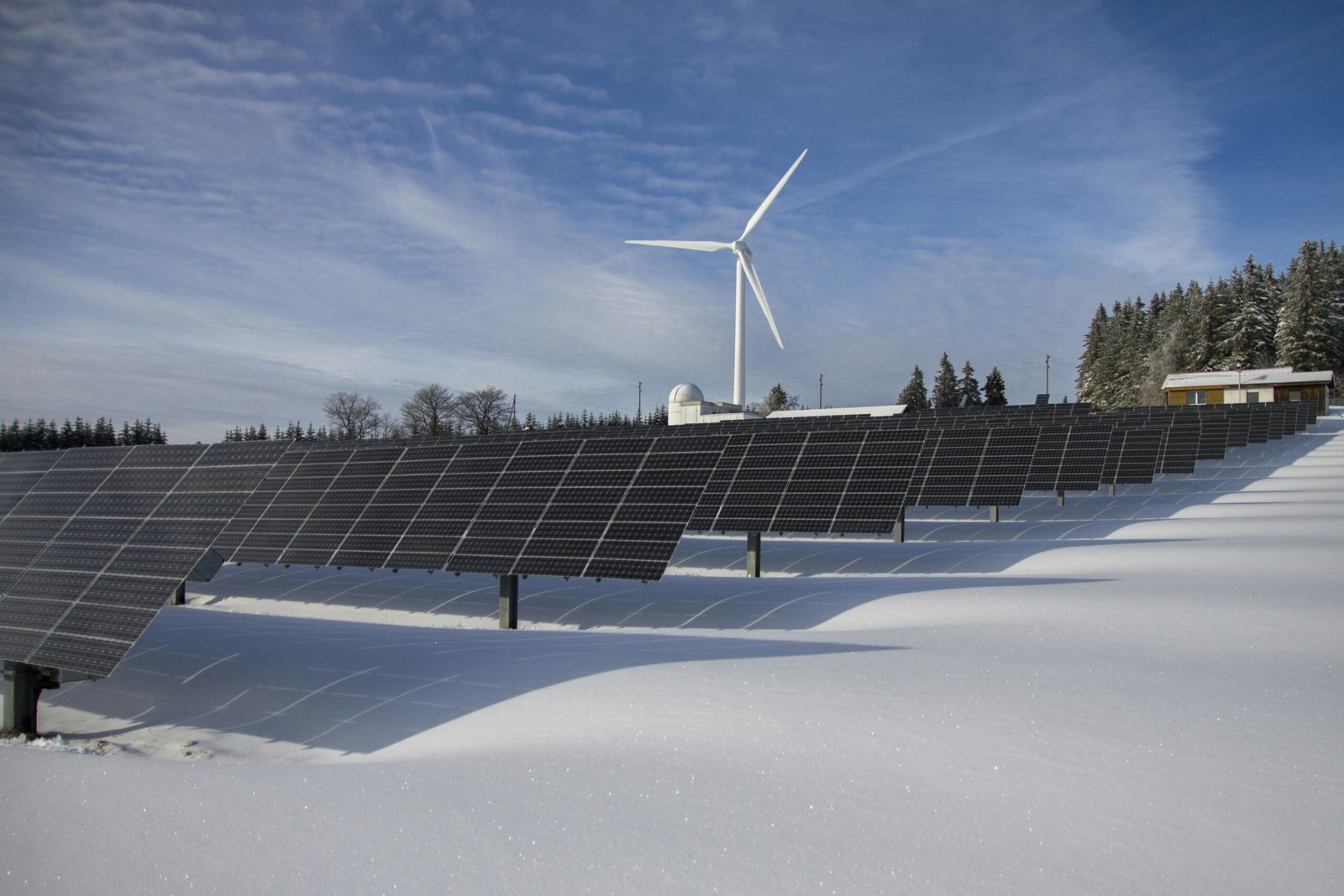
Is It Legal to Live Off-Grid in Pennsylvania?
Yes, off-grid living is legal in Pennsylvania, but it must comply with local regulations.
Pennsylvania allows homeowners to live off the grid as long as they meet:
-
Local zoning requirements
-
Building and safety codes
-
Sanitation and water regulations
Most off-grid systems in PA rely on solar panels combined with battery storage, sometimes supported by backup generators during extended winter periods. Approval requirements can vary by township or county, so off-grid projects should always be planned carefully.
What Is Pennsylvania’s Solar Future Plan?
Pennsylvania’s solar future is guided by its Alternative Energy Portfolio Standards (AEPS) and broader energy-transition goals.
Key trends shaping solar’s future in PA include:
-
Continued federal solar tax credit support
-
Expansion of utility-scale solar farms
-
Increased pressure to reduce carbon emissions
-
Business demand for renewable power
-
Proposed community solar programs
While Pennsylvania historically relied on fossil fuels, solar is expected to play a progressively larger role as infrastructure modernizes and energy demand grows.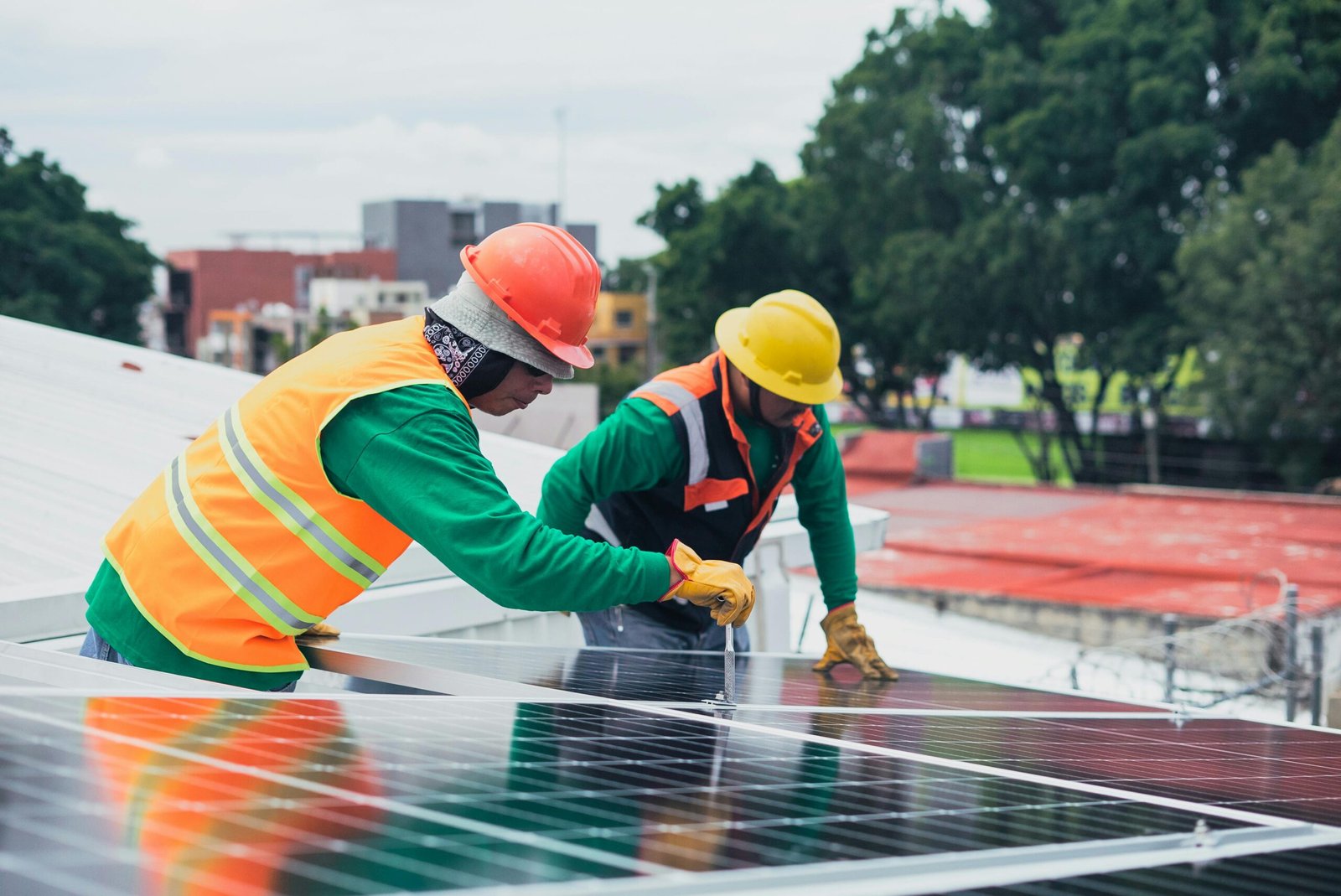
What Is the Biggest Downside to Solar Electricity?
The biggest obstacle for most homeowners remains the upfront cost of solar installation.
Other potential downsides include:
-
Weather-dependent energy production
-
Roof limitations on older homes
-
Added cost of battery storage
-
Longer payback periods compared to sunnier states
That said, incentives and financing options significantly reduce these drawbacks. For grid-connected homes, net metering minimizes energy-production concerns by allowing excess power to offset electricity use at night.
Which Country Is Number One in Solar Energy?
Globally, China is the world leader in solar energy production, followed by the United States.
China dominates large-scale solar deployment, while the U.S. leads in innovation, residential installations, and solar technology development. Countries like Germany, Japan, and India also play major roles in solar adoption.
This global expansion continues to lower panel costs and improve technology—benefits that Pennsylvania solar users directly enjoy.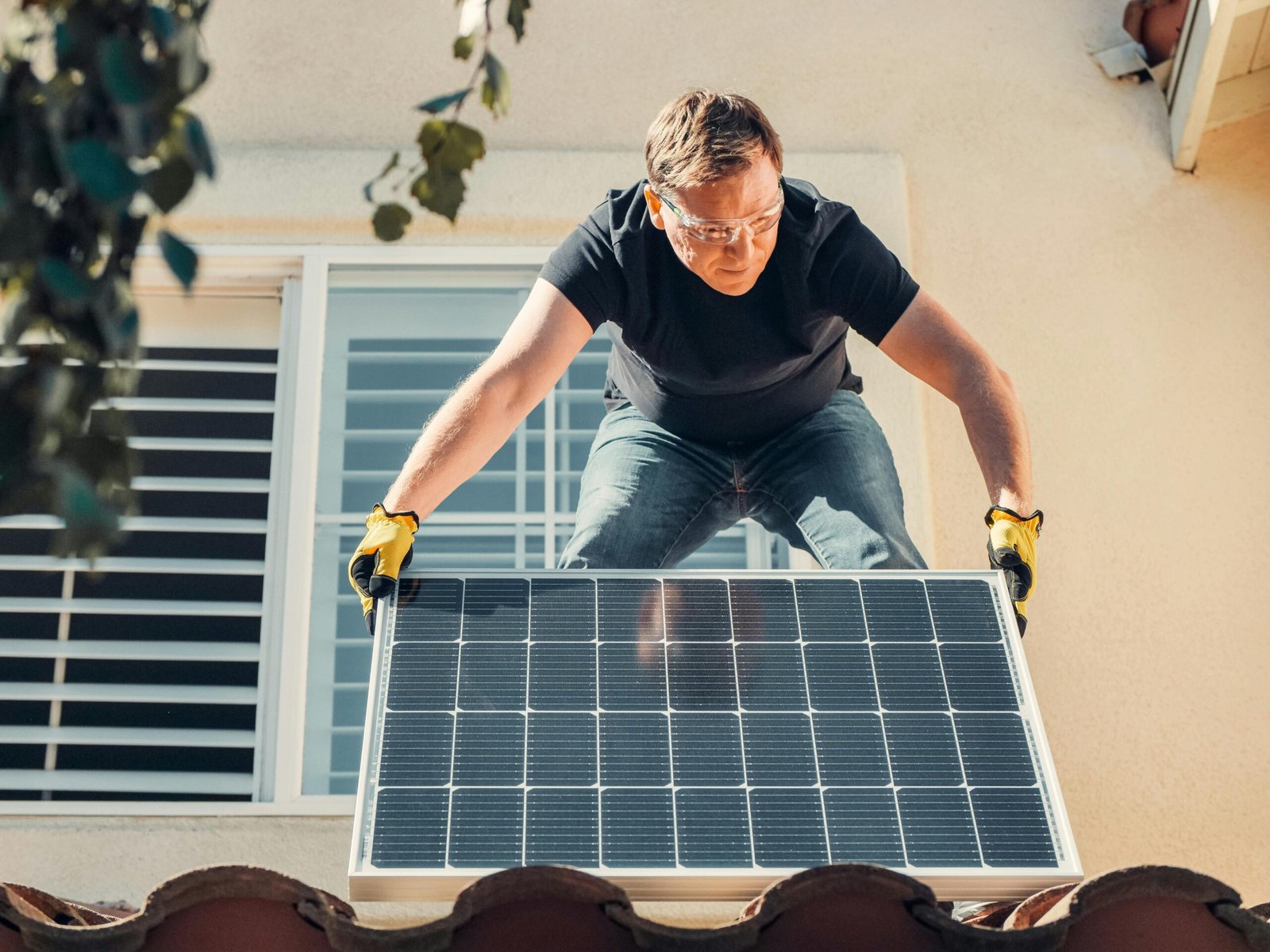
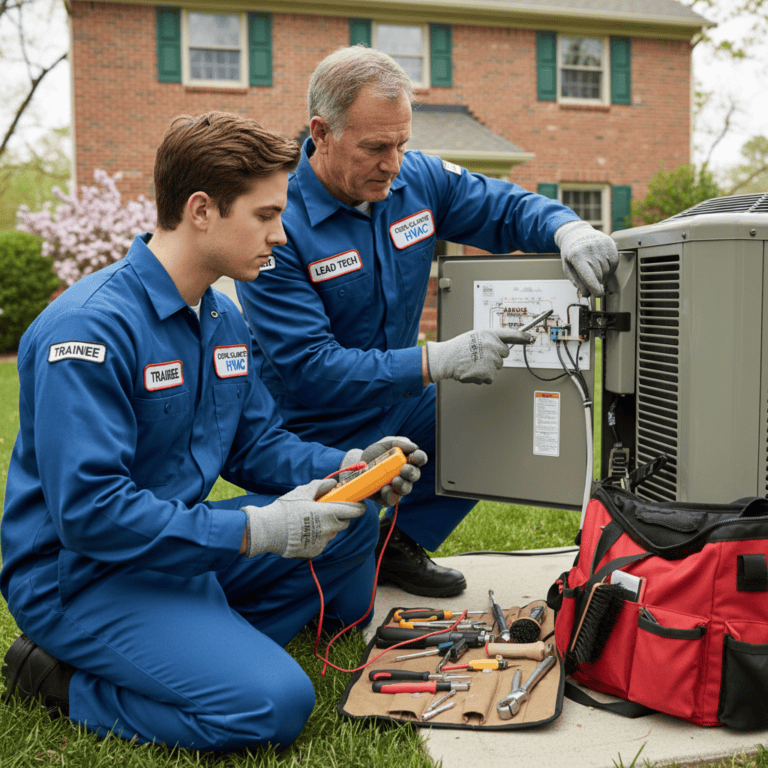
Can You Run a 1.5-Ton AC on Solar in Pennsylvania?
Yes, a properly designed solar system can run a 1.5-ton air conditioner, even in Pennsylvania.
To do so effectively, homeowners typically need:
-
A solar array in the 5–7 kW range or larger
-
High-efficiency AC equipment
-
Grid connection or battery backup
-
Proper load management
Solar-powered cooling makes the most sense in summer, when sunlight production aligns perfectly with air-conditioning demand.
Solar Incentives Available in Pennsylvania
Pennsylvania offers several incentives that improve the return on solar investment.
Key incentives include:
-
Federal Solar Investment Tax Credit (ITC)
-
Solar Renewable Energy Credits (SRECs)
-
Net metering policies
-
Utility-based programs (varies by provider)
These incentives reduce upfront costs and generate long-term savings, making solar power more accessible to homeowners across the state.
Residential vs Commercial Solar in Pennsylvania
Both residential and commercial solar installations are increasing, but each serves different goals.
Residential solar focuses on:
-
Lower utility bills
-
Energy independence
-
Home value gains
Commercial solar emphasizes:
-
Long-term energy price stability
-
Tax benefits and depreciation
-
Corporate sustainability goals
Together, these markets are driving steady solar growth across Pennsylvania.
Is Pennsylvania a Good State for Solar Overall?
While it may not be the sunniest state, Pennsylvania remains a smart state for solar adoption.
The true value of solar depends less on geography and more on:
-
Electricity prices
-
Incentives
-
Policy stability
-
Long-term ownership plans
For homeowners and businesses thinking beyond short-term savings, solar panels in Pennsylvania offer both environmental and financial advantages.
About The Author

Search Anything
Search any topic — insurance, loans, travel, technology, health, and more.