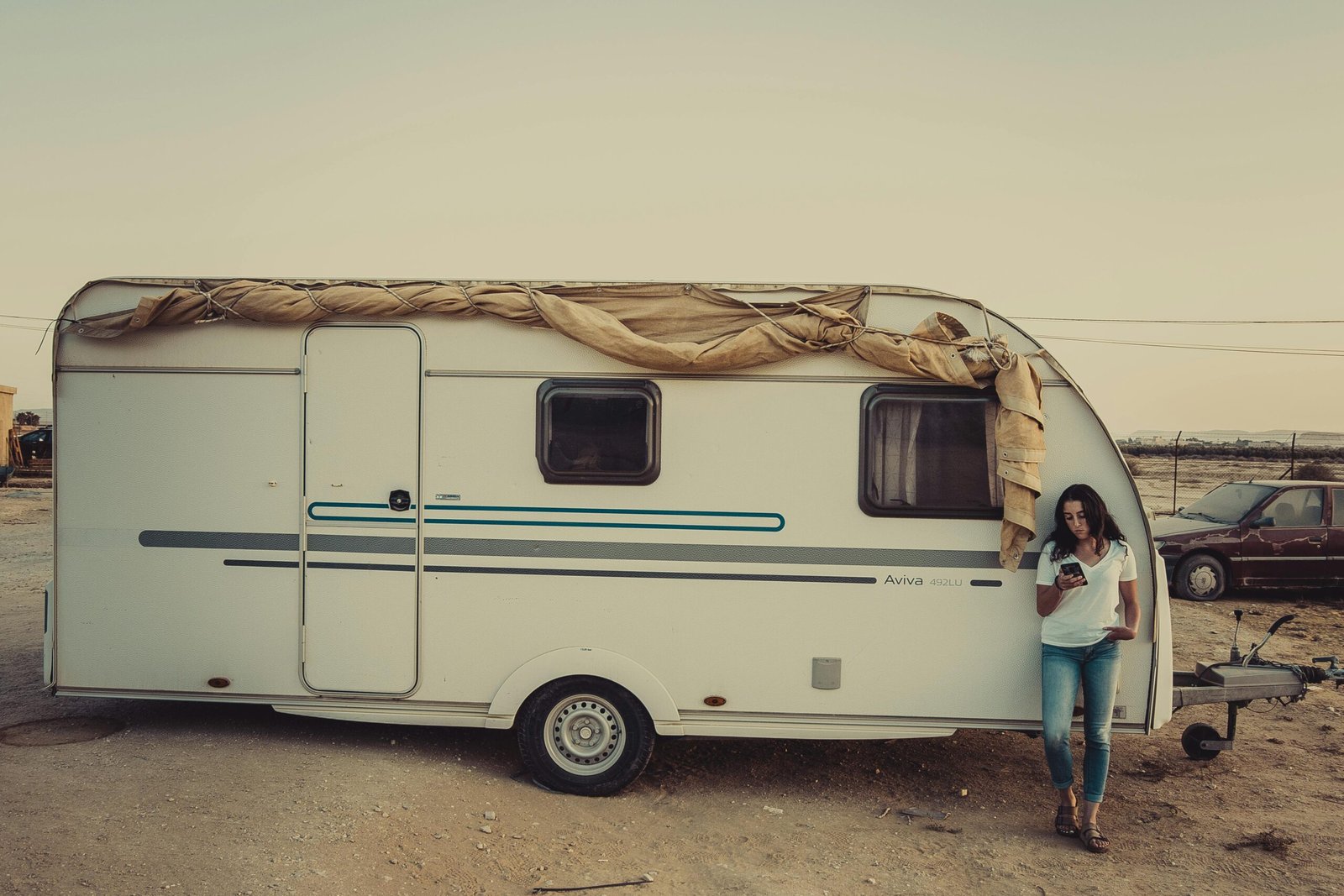
Mobile homes offer an affordable and flexible housing solution, whether used as a permanent residence, holiday accommodation, or a long-term living option in a park or on private land. However, when it comes to insurance, mobile homes fall outside standard property categories, which often leads to confusion, coverage gaps, and declined claims.
Mobile home insurance exists to address these exact challenges. It is designed for non-standard construction, age-related risks, and location-specific exposure that traditional home insurance does not account for. Understanding how mobile home insurance works, what it covers, and how age and regulations affect eligibility is essential for protecting both your home and finances.
This guide provides a complete, practical explanation of mobile home insurance, with a specific focus on coverage, policy types, lifespan, and Ireland-specific considerations.
What Is the Best Insurance for a Mobile Home?
The best insurance for a mobile home is a specialist mobile or manufactured home insurance policy, not a standard home insurance plan. These policies are created to reflect the structural characteristics, environmental exposure, and mobility-related risks of non-traditional homes.
A suitable mobile home insurance policy should include:
-
Structural coverage for the unit itself
-
Personal property protection
-
Personal liability insurance
Search more topics
Explore related answers and trending queries in seconds.
-
Loss of use or alternative accommodation cover
-
Policy terms that consider age and construction type
The ideal policy depends on whether the mobile home is:
-
Owner-occupied or rented
-
Located in a residential park or on private land
-
Used year-round or seasonally
-
Newly manufactured or several decades old
Because underwriting criteria can vary significantly, working with insurers or brokers experienced in non-standard dwellings is critical.
What Does Mobile Home Insurance Cover?
Mobile home insurance provides coverage across several key areas, although inclusions and limits depend on the policy terms.
Structural Coverage
Structural coverage protects the mobile home itself against covered events such as:
-
Fire and smoke damage
-
Storm and wind damage
-
Impact incidents
-
Vandalism and malicious damage
This coverage generally includes walls, roofing, flooring, windows, doors, and built-in features. For older mobile homes, insurers may require inspections to confirm structural integrity before granting coverage.
Personal Property Coverage
Personal property insurance covers belongings inside the mobile home, including:
-
Furniture
-
Electronics
-
Appliances
-
Clothing and household items
Coverage is typically based on replacement value rather than original purchase price, which helps owners recover financially after a total loss.
Personal Liability Coverage
Liability protection applies if someone is injured in or around the mobile home or if property damage occurs as a result of negligence. This may include:
-
Medical costs
-
Court settlements or judgments
Liability coverage is particularly important in mobile home parks or shared sites where visitors and neighbours are present.
Loss of Use Coverage
If a covered claim renders the home uninhabitable, loss of use coverage helps pay for temporary accommodation, essential living expenses, and increased costs incurred during repairs.
What Is an H06 Insurance Policy?
An H06 insurance policy is commonly associated with non-standard residential properties, including mobile and manufactured homes. While terminology may vary among insurers, H06-type policies are typically used where:
-
Construction does not meet standard housing definitions
-
Age restrictions apply
-
Enhanced underwriting is required
These policies account for factors like material type, structural mobility, and exposure to weather risks. They often include stricter maintenance requirements and exclusions that must be clearly understood before purchase.
Who Insures Mobile Homes in Ireland?
In Ireland, mobile home insurance is not widely offered by mainstream insurers. Coverage is usually available through:
-
Specialist insurance providers
-
Brokers offering non-standard property insurance
-
Caravan and park-home insurers
Eligibility often depends on:
-
Home age
-
Condition and maintenance history
-
Intended use (permanent, seasonal, rental)
-
Site location and compliance status
Because of limited market availability, comparisons and professional advice are particularly important for Irish mobile home owners.
What Is the 10-Year Rule for Mobile Homes in Ireland?
The 10-year rule in Ireland is not a legal ownership restriction, but rather a common insurance and park-management guideline.
Many insurers impose stricter terms—or decline coverage—for mobile homes older than 10 years unless:
-
The home has undergone upgrades or refurbishment
-
Structural reports confirm sound condition
-
Fire and safety standards are met
Some residential parks also enforce age limits to ensure safety, uniformity, and regulatory compliance. These factors can significantly affect insurance availability and pricing.
What Is the Lifespan of a Mobile Home in Ireland?
With proper maintenance, mobile homes in Ireland can last 30 to 50 years, and sometimes longer. Lifespan depends heavily on:
-
Build quality
-
Exposure to damp and wind
-
Foundation or anchoring
-
Roof and insulation maintenance
Older mobile homes tend to require additional care and regular inspections to remain insurable. Insurance eligibility often decreases as the home ages without documented improvements.
How Long Is the Lifespan of a Mobile Home Overall?
Globally, lifespan varies based on construction standards:
-
Older models: 20–30 years
-
Modern manufactured homes: 40–60 years with upkeep
Moisture control, ventilation, and structural reinforcement play a major role in longevity. Insurers often consider maintenance history as important as age itself.
What Fees Are Associated with a Mobile Home?
Beyond insurance premiums, mobile home owners may face:
-
Park or site fees
-
Utility connection charges
-
Maintenance and compliance costs
-
Inspection or certification fees
-
Permit or licensing fees (depending on location)
These costs can indirectly affect insurance pricing, particularly in shared parks or higher-risk areas.
Why Mobile Home Insurance Can Cost More
Mobile home insurance may appear more expensive relative to property value due to:
-
Higher exposure to weather damage
-
Limited insurer competition
-
Age-related underwriting risks
-
Increased repair complexity
However, premiums can often be managed by maintaining the home properly, selecting appropriate deductibles, and ensuring documentation is up to date.
How Much Mobile Home Insurance Do You Need?
Coverage should be based on replacement and risk, not minimum premiums.
-
Structural coverage should reflect full rebuild or repair cost
-
Personal property should match the true value of belongings
-
Liability limits should reflect exposure in shared or rental settings
Under-insuring may reduce premiums short-term but often results in substantial out-of-pocket costs after a claim.
Is Mobile Home Insurance Worth It?
For most owners, mobile home insurance is essential. Without it, a single storm, fire, or liability incident could result in losses far exceeding the home’s value.
Insurance provides:
-
Financial protection
-
Legal coverage
-
Compliance with park or lender requirements
-
Long-term peace of mind
Final Thoughts: Protecting a Non-Standard Home the Right Way
Mobile homes require specialized insurance solutions. Understanding coverage options, lifespan expectations, and Ireland-specific eligibility rules allows owners to make informed decisions and avoid costly surprises.
Choosing the right mobile home insurance today ensures your home remains protected, insurable, and financially secure for years to come.
About The Author

Search Anything
Search any topic — insurance, loans, travel, technology, health, and more.