Choosing a used car is not only about the purchase price. For most buyers in the USA and Canada, the real challenge starts after the sale—fuel, repairs, regular service, parts, and unexpected breakdowns. That is why many smart buyers now focus on Low Maintenance Used Cars instead of simply searching for the cheapest vehicle available.
A used car with low maintenance costs can save you thousands of dollars over time. It can also reduce stress, minimize time at repair shops, and give you confidence for daily commuting, school runs, road trips, and work travel. Whether you are buying your first vehicle, replacing an older car, or adding a second car for the family, a low-maintenance model is often the most practical choice.
This guide explains how to choose a dependable used car that is affordable to maintain, what features to prioritize, what mistakes to avoid, and how buyers in the U.S. and Canada can shop more professionally.
Why Low Maintenance Matters More Than a Low Price
A low sticker price can be tempting. But many used cars become expensive very quickly because of poor reliability, hard-to-find parts, or major repair needs. In many cases, a slightly more expensive vehicle with a better service history ends up being the smarter financial decision.
The best daily driver is not just affordable to buy—it must also be affordable to own. This means:
-
Routine service should be simple and reasonably priced
-
Parts should be widely available
-
Repairs should not require specialty labor
Search more topics
-
The car should have a strong reliability track record
-
Fuel economy should support everyday driving needs
This is exactly why Low Maintenance Used Cars remain one of the best categories for budget-conscious buyers.
What Makes a Used Car “Low Maintenance”?
Not every reliable car is automatically low maintenance. Some vehicles last a long time but cost more to service because of premium parts, advanced electronics, or complex engine layouts. A true low-maintenance used car usually has the following characteristics.
1. Proven Reliability History
Cars with a strong long-term reliability reputation typically require fewer major repairs. This lowers the risk of costly surprises like transmission failure, head gasket issues, or recurring electrical problems.
2. Common Parts and Easy Repairs
Popular models are often easier and cheaper to maintain because parts are available almost everywhere, and many mechanics are familiar with them. That means faster service and better pricing.
3. Simple Powertrain Design
Vehicles with naturally aspirated engines and conventional automatic transmissions (or proven CVTs/manuals in some models) often have lower repair complexity than turbocharged or highly specialized systems.
4. Reasonable Tire and Brake Costs
Some cars look affordable until you discover they use expensive tires, oversized brakes, or premium components. Low-maintenance vehicles usually have standard-size parts that are easy to replace.
5. Good Fuel Efficiency
Fuel is part of maintenance-related ownership cost in daily life. A fuel-efficient car keeps monthly expenses under control, especially for commuters in the USA and Canada.
Best Types of Low Maintenance Used Cars
When searching for Low Maintenance Used Cars, it helps to start with body style and use case, not just brand names. Here are the most practical categories.
Compact Sedans
Compact sedans are often the best choice for low-cost ownership. They are efficient, practical, easy to park, and usually cheaper to insure than larger vehicles. For daily commuting, this category is hard to beat.
Hatchbacks
Hatchbacks offer similar efficiency to compact sedans but with more cargo flexibility. They are excellent for city driving and can handle groceries, luggage, and small equipment more easily.
Midsize Sedans
If you want more comfort and space, a midsize sedan can still be a low-maintenance option—especially if you choose a mainstream model with a strong reliability record. They are great for highway commuting and family use.
Compact Crossovers (Choose Carefully)
Compact SUVs and crossovers are popular in North America, but maintenance costs vary more than with sedans. Some are excellent low-maintenance choices, while others can become expensive. Focus on proven mainstream models and avoid buying based only on appearance.
Why Condition Matters More Than the Badge
A well-maintained car from a decent brand is often a better choice than a neglected car from a “top-rated” brand. Buyers often assume the badge alone guarantees a good purchase, but the truth is simple: maintenance history matters more.
Two identical models can have very different futures depending on how they were treated by the previous owner. Before buying, ask:
-
Was oil changed regularly?
-
Were brakes and tires replaced on time?
-
Were fluids serviced properly?
-
Were repairs done professionally?
-
Are there maintenance records or receipts?
The smartest way to find Low Maintenance Used Cars is to combine a reliable model choice with excellent vehicle condition.
Key Features to Prioritize for Low-Cost Ownership
You do not need every modern feature in a daily-use car. In fact, too many high-tech systems can increase repair costs over time. Focus on features that improve safety and convenience without adding unnecessary complexity.
Worth Having
-
Rearview camera
-
Bluetooth / hands-free calling
-
Cruise control
-
Air conditioning and strong heating
-
Power windows and locks
-
Basic infotainment with USB support
-
Stability control and multiple airbags
Nice, But Not Always Necessary
-
Panoramic sunroof
-
Advanced premium audio systems
-
Power liftgate
-
Ventilated seats
-
Complex driver-assistance packages on older used cars
Luxury features may feel nice at first, but for many buyers, they add future repair risks. Daily-use value usually comes from simplicity, reliability, and comfort.
Buying Tips for USA and Canada Buyers
The used car market in the United States and Canada is large, competitive, and highly regional. Climate, road salt, driving patterns, and vehicle history can change the quality of what is available.
1. Set a Total Ownership Budget
Do not spend your full budget on the purchase price. Keep room for:
-
Sales tax
-
Registration/title fees
-
Insurance
-
Immediate maintenance (oil, filters, wipers)
-
Tires (if needed)
-
Brake service
-
Emergency repair fund
A common mistake is buying a car that is “cheap” but leaves no budget for the basic work needed to make it dependable.
2. Check Vehicle History Carefully
Always review the car’s history report before making a deal. Look for:
-
Major accidents
-
Salvage/rebuilt title
-
Flood damage
-
Odometer inconsistency
-
Frequent ownership changes
-
Commercial/fleet use (not always bad, but inspect more carefully)
For both U.S. and Canadian buyers, full transparency reduces risk.
3. Inspect for Rust (Especially in Canada and Northern U.S.)
Rust is one of the biggest ownership-cost issues in colder regions where road salt is common. Check:
-
Wheel wells
-
Door bottoms
-
Rocker panels
-
Undercarriage
-
Brake/fuel lines
-
Suspension mounting points
Surface rust is common on older vehicles, but structural rust can make a car unsafe and expensive to repair.
4. Always Get a Pre-Purchase Inspection
A pre-purchase inspection is one of the best investments you can make. Even if the seller says the car is “perfect,” a mechanic may find hidden issues.
Ask the mechanic to inspect:
-
Engine leaks or noises
-
Transmission shifting quality
-
Suspension and steering wear
-
Brake condition
-
Tires and alignment signs
-
Battery health
-
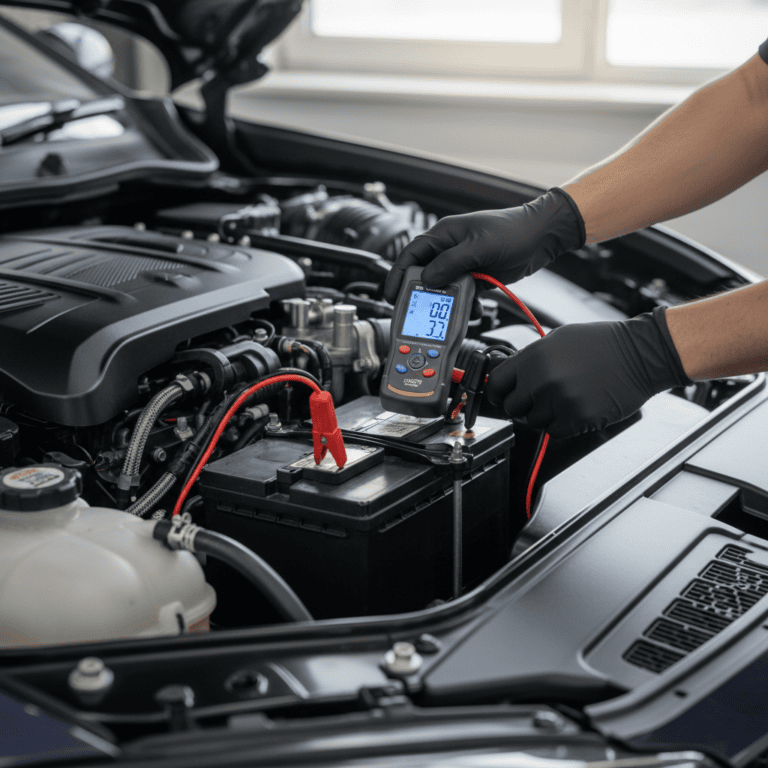
Warning lights and stored fault codes
-
Cooling system condition
This step is essential if you want true Low Maintenance Used Cars and not a future repair project.
Common Mistakes That Increase Maintenance Costs
Buying a Car You Cannot Afford to Repair
Some buyers purchase a used luxury car because the price looks attractive, then struggle with high repair bills. Low purchase price does not equal low ownership cost.
Ignoring Previous Maintenance
If records are missing and the seller cannot answer basic service questions, treat that as a warning sign.
Choosing Rare Models
Rare vehicles may be interesting, but they often mean higher parts costs and longer repair times.
Skipping the Test Drive
A proper test drive should include city streets and highway speeds. Listen for noises, check braking, and pay attention to shifting behavior.
Buying on Emotion
A car can look great and still be a poor daily driver. Stay focused on reliability, condition, and practical ownership costs.
How to Choose the Right Low-Maintenance Car for Your Lifestyle
Not all drivers need the same type of vehicle. The best option depends on how you use it every day.
For Commuters
Choose fuel efficiency, comfort, and low running costs. Compact and midsize sedans are usually ideal.
For Students or First-Time Buyers
Look for simple, reliable vehicles with affordable insurance and easy parts availability. Avoid performance trims and luxury models.
For Families
Prioritize rear-seat space, trunk room, safety features, and a dependable service history. A practical midsize sedan or reliable compact crossover can work well.
For Snowy Areas
Winter tires matter more than many buyers realize. In Canada and northern U.S. states, proper winter tires can improve safety more than AWD alone in many conditions.
Final Checklist Before You Buy
Before you pay for any used car, confirm the following:
-
Title status is clear and disclosed
-
VIN matches all documents
-
Vehicle history report checked
-
Rust inspection completed
-
Test drive completed
-
Pre-purchase inspection completed
-
No dashboard warning lights
-
Tires are in good condition
-
Brakes feel strong and smooth
-
Maintenance records reviewed
-
Two keys/remotes included (if possible)
When you follow a system, you reduce risk and improve your chances of finding a dependable car that fits your budget.
Final Thoughts
For most buyers, the smartest used car is not the most stylish or the most powerful—it is the one that starts every morning, costs less to maintain, and handles daily life without drama. That is why Low Maintenance Used Cars are such a strong choice for drivers in the USA and Canada.
Take your time, compare options carefully, inspect every vehicle, and focus on ownership costs instead of just the asking price. The right used car can give you years of reliable service and help you avoid unnecessary repairs.
If you shop with patience and a professional checklist, you will be much more likely to find one of the best Low Maintenance Used Cars for your daily needs.
Educational article by SDinformation.
Search Anything
Search any topic — including insurance, loans, travel, technology, health, and more.
About The Author