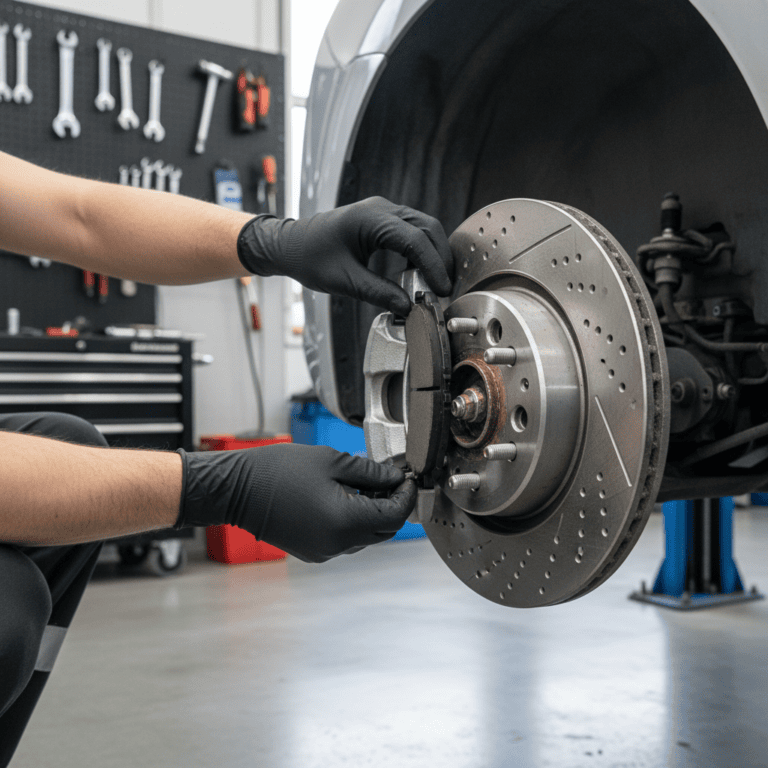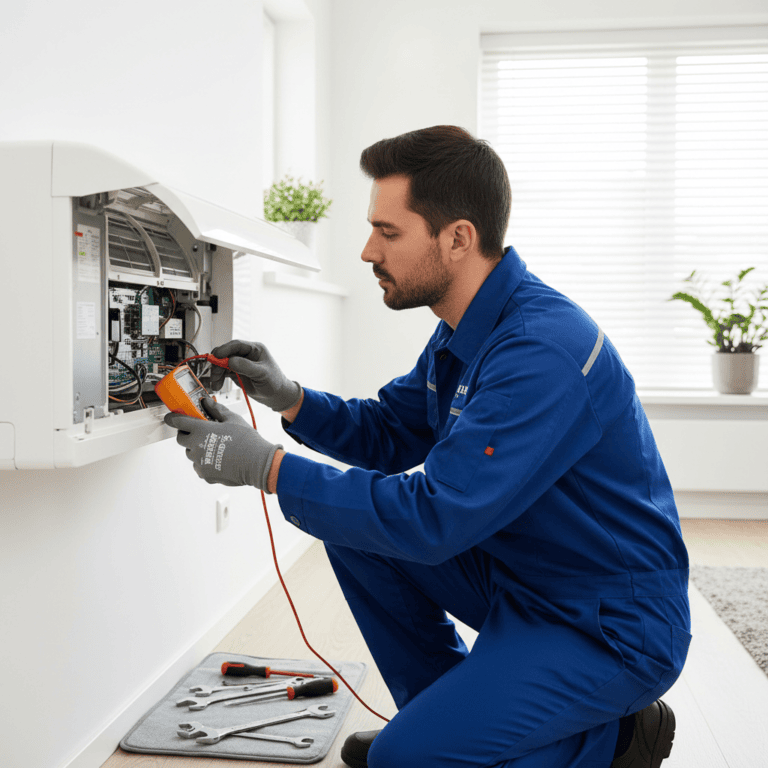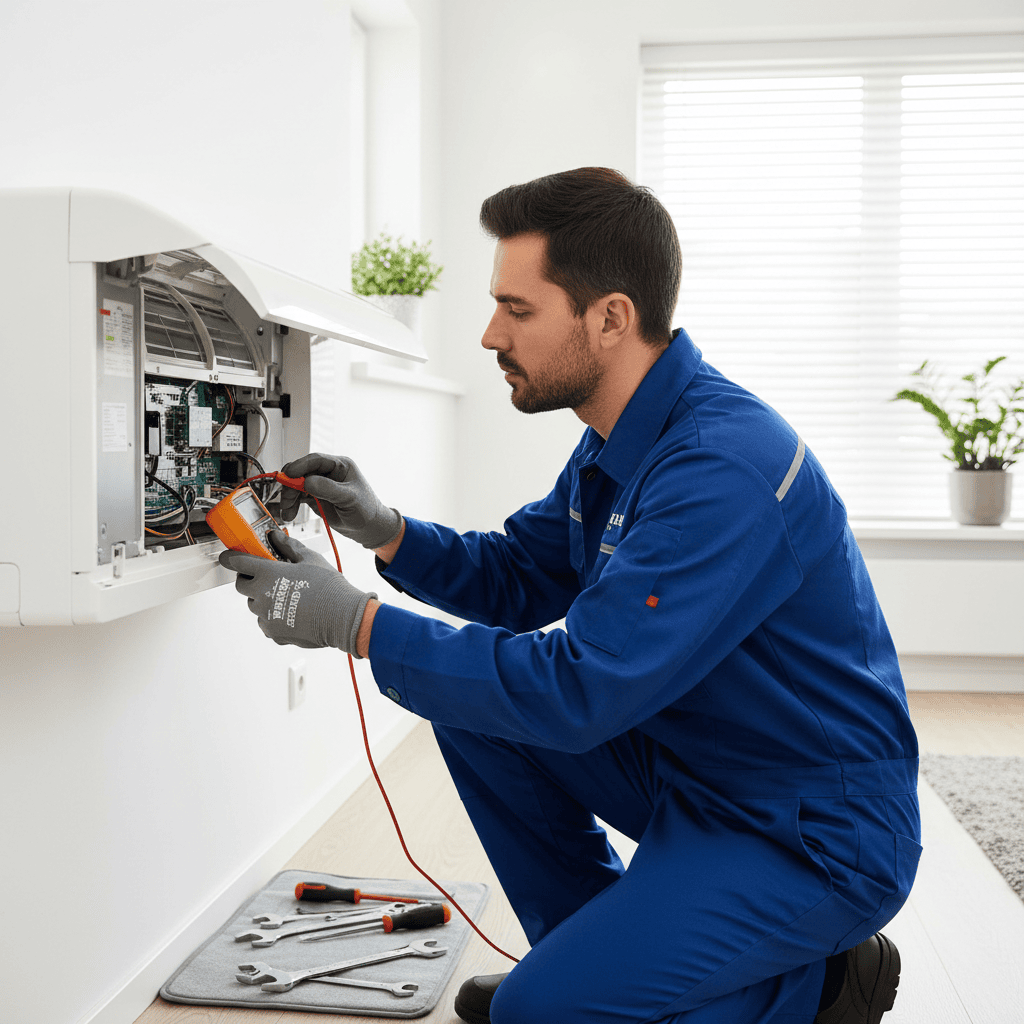
If you are searching for HVAC Technician Jobs, you are looking at one of the most practical and stable skilled trades in today’s job market. Homes, offices, stores, schools, and industrial buildings all depend on heating, ventilation, and air conditioning systems to operate safely and comfortably. That means qualified HVAC technicians are needed in nearly every city and region.
The good news is that HVAC is not only for highly experienced workers. There are opportunities for beginners, apprentices, installers, maintenance technicians, and service technicians at different experience levels. Some employers are willing to train motivated candidates, while others look for technicians who already have certifications and field experience.
This guide is written to help you understand what HVAC technician jobs involve, what employers look for, where to find openings, and how to apply in a way that increases your chances of getting interviews. Whether you are just starting out or trying to move into a better-paying role, this article will give you a clear path forward.
What Are HVAC Technician Jobs?
HVAC Technician Jobs involve installing, maintaining, troubleshooting, and repairing heating and cooling systems. Depending on the role and company, you may work on:
-
Residential air conditioning and heating systems
-
Commercial rooftop units
-
Furnaces and heat pumps
-
Ventilation systems and ductwork
Search more topics
-
Refrigeration systems (in some roles)
-
Thermostats and control systems
-
Indoor air quality equipment
Some HVAC technicians focus mostly on installation, while others specialize in diagnostics and repair. In smaller companies, a technician may handle a mix of service calls, maintenance work, and new installs.
The work can be physically demanding, but it is also rewarding for people who enjoy hands-on problem solving. Every day can be different. One day you might be doing seasonal maintenance, and the next you could be diagnosing a system that stopped working during extreme weather.
Types of HVAC Technician Jobs
One reason many people choose HVAC is the variety of job paths available. Here are some common types of HVAC technician jobs you will see in listings.
1) HVAC Installer
Installers focus on putting in new HVAC systems in homes or commercial buildings. This may include:
-
Setting furnaces, condensers, and air handlers
-
Running refrigerant lines
-
Installing thermostats
-
Connecting ductwork
-
Testing systems after installation
This role is a good fit for people who enjoy project-based work and physical tasks.
2) HVAC Service Technician
Service technicians diagnose and repair systems that are not working correctly. This often includes:
-
Troubleshooting electrical or mechanical issues
-
Replacing components
-
Testing system performance
-
Explaining repairs to customers
-
Completing service reports
This role usually requires stronger diagnostic skills and customer communication.
3) HVAC Maintenance Technician
Maintenance technicians perform routine inspections and preventive service. Tasks may include:
-
Cleaning coils and filters
-
Checking refrigerant levels
-
Inspecting motors and belts
-
Testing thermostats and controls
-
Identifying issues before they become major repairs
Maintenance roles can be a good entry point for people building hands-on experience.
4) Commercial HVAC Technician
Commercial HVAC jobs involve larger systems in offices, hospitals, schools, warehouses, and retail spaces. These roles can pay well because commercial systems are often more complex.
5) Residential HVAC Technician
Residential technicians work mostly in homes and apartments. This role often includes direct customer interaction, repairs, maintenance, and system replacements.
6) HVAC Apprentice / Entry-Level Technician
Apprentice roles are ideal for beginners. You work under experienced technicians while learning installation, maintenance, safety procedures, and troubleshooting basics.
What Employers Look for in HVAC Technician Jobs
Employers do not all hire the same way, but many look for a similar set of qualifications and skills. If you understand what they want, you can build a stronger application.
Technical Skills
Most employers prefer candidates who understand basic HVAC systems and can safely use tools. Common technical expectations include:
-
Basic electrical knowledge
-
Mechanical troubleshooting ability
-
Understanding of heating/cooling components
-
Familiarity with hand tools and meters
-
Safe work habits
Even entry-level candidates can stand out by showing they are trainable and serious about the trade.
Certifications
Certifications can improve your chances of getting hired for HVAC Technician Jobs. Commonly requested credentials include:
-
EPA 608 certification (important for handling refrigerants)
-
HVAC trade school certificate (helpful but not always required)
-
OSHA safety training (a plus in many workplaces)
-
Manufacturer-specific training (for experienced roles)
If you are just starting, getting an EPA certification can make your resume stronger right away.
Driver’s License
Many service and maintenance roles require travel between jobsites. A valid driver’s license is often listed as required.
Soft Skills
HVAC is not only technical work. Employers also value technicians who can:
-
Communicate clearly
-
Show up on time
-
Work safely without constant supervision
-
Treat customers professionally
-
Stay calm under pressure
A reliable technician with a good attitude is often more valuable than someone with skills but poor work habits.
Who Can Apply for HVAC Technician Jobs?
A lot of people assume HVAC is only for experienced tradespeople, but that is not true. Companies hire candidates from different backgrounds.
You may be a good fit if you are:
-
A trade school student or recent graduate
-
A beginner looking for an apprenticeship
-
A maintenance worker moving into HVAC
-
A general technician with mechanical skills
-
A construction worker wanting a specialized trade
-
A former service worker ready for a stable career path
If you do not have direct HVAC experience yet, focus on transferable skills. For example, if you have worked in electrical, plumbing, construction, maintenance, or mechanical repair, mention that clearly in your application.
What a Typical HVAC Technician Job Listing Includes
When reading job postings, you will usually see a mix of responsibilities, requirements, and benefits. Learning how to read these listings helps you apply smarter.
Common job listing sections include:
-
Job title (Installer, Service Tech, Maintenance Tech, Apprentice)
-
Experience required (0–2 years, 2+ years, etc.)
-
Certifications preferred or required
-
Driver’s license requirement
-
Work type (full-time, part-time, on-call)
-
Schedule (day shift, rotating, weekends)
-
Job duties
-
Pay range or hourly rate
-
Benefits (insurance, PTO, retirement, truck, tools)
Do not skip a job just because you do not meet every single bullet point. Many employers list an ideal candidate, but still interview people who meet most of the key requirements.
How to Find HVAC Technician Jobs Faster
Searching for HVAC Technician Jobs becomes easier when you use a simple system instead of randomly applying.
1) Search with Better Keywords
Use targeted search phrases like:
-
HVAC Technician Jobs
-
HVAC technician jobs near me
-
HVAC service technician jobs
-
HVAC installer jobs hiring now
-
Entry-level HVAC technician jobs
-
Commercial HVAC technician jobs
-
Residential HVAC service jobs
Adding your city or region to the search can help you find more local opportunities.
2) Use Multiple Job Sources
Do not rely on only one platform. Good HVAC jobs appear in different places, including:
-
Major job boards
-
Company websites
-
Local trade groups
-
Apprenticeship listings
-
Local Facebook job groups
-
Community classifieds
-
Referral networks
Many smaller HVAC companies hire quickly and may post jobs only on their own website or social media page.
3) Contact Local HVAC Companies Directly
Even if a company is not advertising, they may still be hiring or planning to hire soon. Send a short professional message with your resume and ask if they are accepting applications for technician or apprentice positions.
This simple step can help you find opportunities before they become public listings.
How to Write a Strong HVAC Resume
A lot of applicants lose interviews because their resume is too generic. For HVAC Technician Jobs, your resume should be simple, clear, and focused on real skills.
What to Include
-
Full name and contact information
-
City/location
-
Job title target (example: HVAC Technician / HVAC Apprentice)
-
Short summary (2–3 lines)
-
Certifications (EPA 608, OSHA, etc.)
-
Technical skills
-
Work experience
-
Education / trade school
-
Tools and systems you’ve worked with
Resume Tip
Put your certifications near the top. Employers often scan resumes quickly, and certifications can immediately improve your credibility.
Example Summary (Human Style)
Motivated HVAC technician with hands-on experience in maintenance and installation support. Strong troubleshooting skills, reliable work ethic, and customer-friendly communication. EPA-certified and ready to grow in residential or commercial service work.
How to Apply for HVAC Technician Jobs and Get More Interviews
Applying is not just about clicking “submit.” A better process can increase callbacks.
Apply Consistently
Instead of applying to only 2 or 3 jobs, aim to apply to multiple relevant jobs each week. Consistency matters.
Customize Your Application
Use the same base resume, but adjust a few lines based on the role:
-
Installer role → highlight installation and tools
-
Service role → highlight troubleshooting and customer service
-
Maintenance role → highlight inspections and preventive work
Add a Short Message
A short note can help:
-
Mention your experience level
-
Mention certifications
-
Mention availability
-
Show interest in the company
Follow Up Professionally
If you do not hear back after a few days, a polite follow-up can help. Keep it short and respectful.
Common Mistakes People Make When Applying for HVAC Technician Jobs
Avoiding a few common mistakes can immediately improve your results.
1) Using a Generic Resume for Every Job
If your resume does not mention HVAC-specific skills or certifications, employers may skip it.
2) Forgetting to List Certifications
If you have EPA certification and do not list it clearly, you may miss interviews.
3) Applying Without Reading the Job Details
Some jobs are installation-heavy. Others are service or maintenance. Apply to roles that match your skills.
4) Ignoring Small Local Companies
Large companies get more attention, but smaller local HVAC businesses often hire faster and can offer good long-term opportunities.
5) Poor Communication
Missed calls, full voicemail boxes, or delayed replies can hurt your chances. Make it easy for employers to contact you.
How to Grow in HVAC After You Get Hired
Getting the job is only the beginning. HVAC is a trade where experience and reputation can lead to better pay and stronger opportunities over time.
To grow your career:
-
Learn diagnostics, not just basic maintenance
-
Improve electrical troubleshooting skills
-
Get additional certifications
-
Study newer systems and controls
-
Build strong customer communication
-
Stay safe and dependable
-
Ask for more responsibility as your skills improve
Technicians who become strong problem-solvers and reliable team members are often the first to get raises, better routes, and leadership opportunities.
Is HVAC a Good Career Choice?
For many people, yes. HVAC can be a strong career if you want practical work, real-world problem solving, and a skill that stays in demand. It is especially attractive for people who prefer a trade career over office-only jobs.
Reasons people choose HVAC:
-
Steady demand in many locations
-
Clear path from entry-level to experienced technician
-
Opportunity to specialize (residential, commercial, refrigeration, controls)
-
Hands-on work with visible results
-
Potential for long-term career growth
Like any trade, it takes effort, training, and consistency. But for motivated workers, HVAC can provide a stable and respected career path.
Final Thoughts on HVAC Technician Jobs
If you are actively looking for HVAC Technician Jobs, start with a practical plan: build a clear resume, highlight your certifications and mechanical skills, search local and regional openings, and apply consistently. Do not wait for the perfect listing. Many technicians get hired by taking action, following up, and showing they are ready to work and learn.
Whether you are applying for your first apprentice position or trying to move into a better service role, the HVAC field offers real opportunities for people who are reliable, skilled, and willing to grow.
Educational Note by SDinformation
This article is published by SDinformation for educational and informational purposes only. Job requirements, pay, and hiring conditions may vary by employer and location, so readers should verify details directly with official sources or employers before applying.
Search Anything
Search any topic — including insurance, loans, travel, technology, health, and more.
About The Author