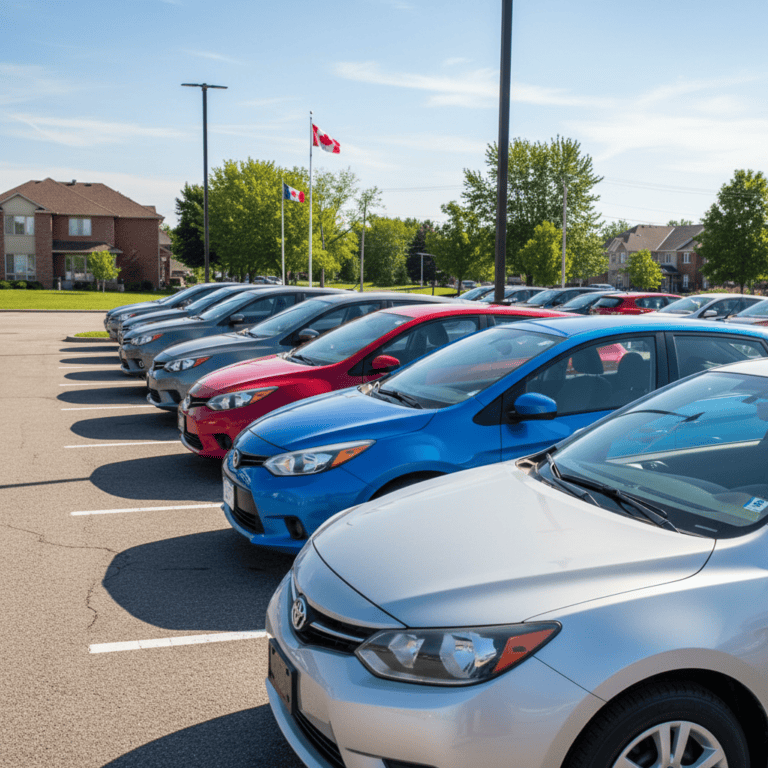
Buying a used car for everyday driving is one of the smartest decisions a budget-conscious driver can make—if you choose carefully. In both the United States and Canada, daily-use vehicles need to do more than just start in the morning. They need to be reliable in traffic, affordable to maintain, efficient on fuel, comfortable for commuting, and practical enough for groceries, family trips, and unpredictable weather.
That is why many buyers search for the Best Used Cars to Buy instead of simply looking for the cheapest option. A low purchase price can look attractive at first, but if the vehicle has poor reliability, expensive parts, or a history of neglect, it can quickly become a financial burden.
This guide will help you choose a dependable used car for daily use with a professional, practical approach focused on USA and Canada buyers. Whether you are shopping for your first car, replacing an older vehicle, or adding a commuter to your household, the goal is the same: get solid value without future headaches.
What Makes a Good Daily-Use Used Car?
A car that is perfect for weekends or performance driving may not be the best option for everyday use. For commuting and regular errands, you should prioritize the following:
1. Reliability
Reliability is the foundation of a good daily driver. You want a vehicle with a strong history of dependable engine and transmission performance, minimal electrical issues, and affordable maintenance needs. A reliable used car saves you time, money, and stress.
2. Fuel Efficiency
Gas prices vary across the U.S. and Canada, and daily commuting adds up fast. A fuel-efficient sedan or compact SUV can reduce monthly expenses significantly, especially if you drive long distances for work.
3. Affordable Maintenance and Parts
Some vehicles are cheap to buy but expensive to repair. Before buying, think beyond the sale price. Common models with widely available parts usually cost less to maintain and are easier to service.
4. Comfort and Practicality
If you drive every day, comfort matters. Seat support, visibility, cabin noise, and ease of parking all affect the ownership experience. A practical trunk, folding rear seats, and decent rear legroom also make daily life easier.
Search more topics
5. Safety Features
For USA and Canada markets, many used cars now come with useful safety features such as anti-lock brakes, stability control, multiple airbags, rearview cameras, and advanced driver-assist features on newer models. Even in older vehicles, good crash safety ratings and build quality should be a priority.
Best Vehicle Types for Daily Driving
When people search for the Best Used Cars to Buy, they often focus only on brand names. A better starting point is choosing the right vehicle type for your daily routine.
Compact Sedans
Compact sedans are among the best daily drivers for most people. They are fuel-efficient, easy to park, and usually have lower insurance costs. They are ideal for commuting, students, and small families.
Midsize Sedans
If you want more comfort and interior space without moving to an SUV, a midsize sedan is a strong choice. These vehicles often ride better on highways and have more trunk room.
Hatchbacks
Hatchbacks combine the efficiency of a sedan with better cargo flexibility. They are excellent for city drivers and buyers who want practicality in a smaller footprint.
Compact SUVs / Crossovers
These are very popular in the U.S. and Canada because they offer a higher driving position, more cargo space, and better winter confidence when paired with proper tires. They can be a great daily-use option, especially for families.
Smart Model Categories to Focus On
Instead of chasing trends, focus on models known for long-term dependability and wide service support. For a daily driver, these categories usually offer the best value:
-
Japanese compact sedans and hatchbacks with proven reliability histories
-
Mainstream midsize sedans with low ownership costs
-
Compact crossovers with strong resale value and practical interiors
-
Fleet-common models (easy to find parts and mechanics familiar with them)
In many cases, the Best Used Cars to Buy are not the flashiest ones. They are the vehicles that owners keep for years because they continue to perform well with routine maintenance.
What Mileage Is “Too High”?
There is no universal number that automatically makes a used car bad. A well-maintained car with higher mileage can be a better buy than a neglected low-mileage car.
As a general rule:
-
Lower mileage is helpful, but service history matters more
-
Highway miles are often easier on a vehicle than stop-and-go city miles
-
Maintenance records can increase confidence more than the odometer alone
If a car has been regularly serviced, has no major accident history, and passes an inspection, it may still be a strong daily driver even with higher mileage.
How to Shop the Right Way in USA and Canada
The U.S. and Canadian used car markets are large, competitive, and seasonal. To avoid overpaying, use a disciplined process.
Set a Real Budget (Not Just Purchase Price)
Include:
-
Vehicle price
-
Sales tax
-
Registration/title fees
-
Insurance
-
Immediate maintenance (oil change, brakes, tires, battery)
-
Emergency repair reserve
A buyer who spends their entire budget on the vehicle itself often struggles later. The Best Used Cars to Buy are the ones you can afford to own, not just afford to purchase.
Check Vehicle History
Always review a vehicle history report before committing. Look for:
-
Major accidents
-
Salvage/rebuilt title status
-
Odometer inconsistencies
-
Frequent ownership changes
-
Flood damage history
In Canada, also pay attention to provincial history and winter use conditions. In both countries, rust can be a major issue, especially in areas with snow and road salt.
Inspect for Rust (Very Important for Canada and Northern U.S.)
For buyers in Canada and cold-weather U.S. states, rust inspection is essential. Check:
-
Undercarriage
-
Wheel wells
-
Door sills
-
Frame areas (where applicable)
-
Brake and fuel lines
Surface rust is common on older cars, but structural rust can turn a “deal” into a serious problem.
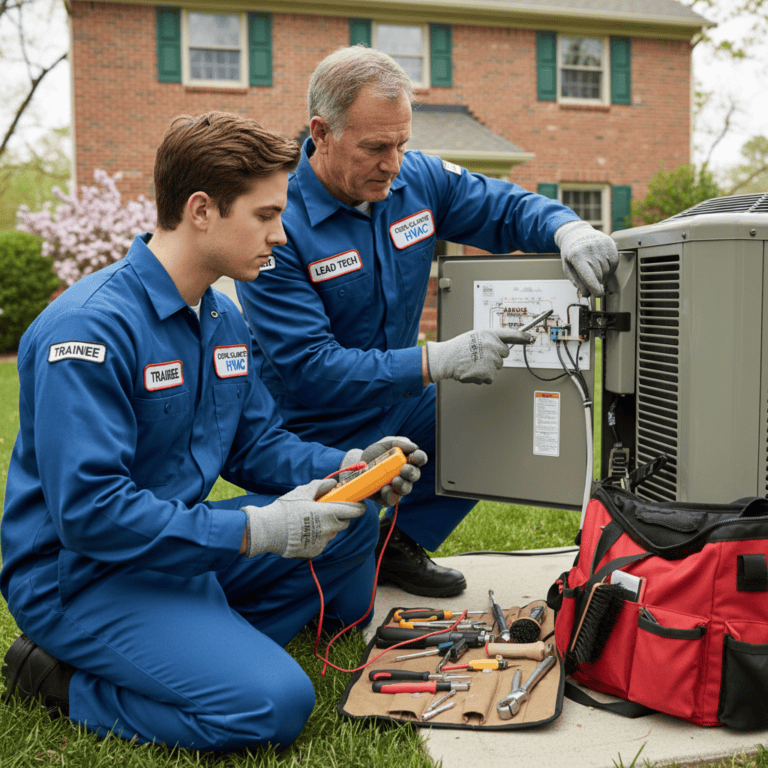
Get a Pre-Purchase Inspection
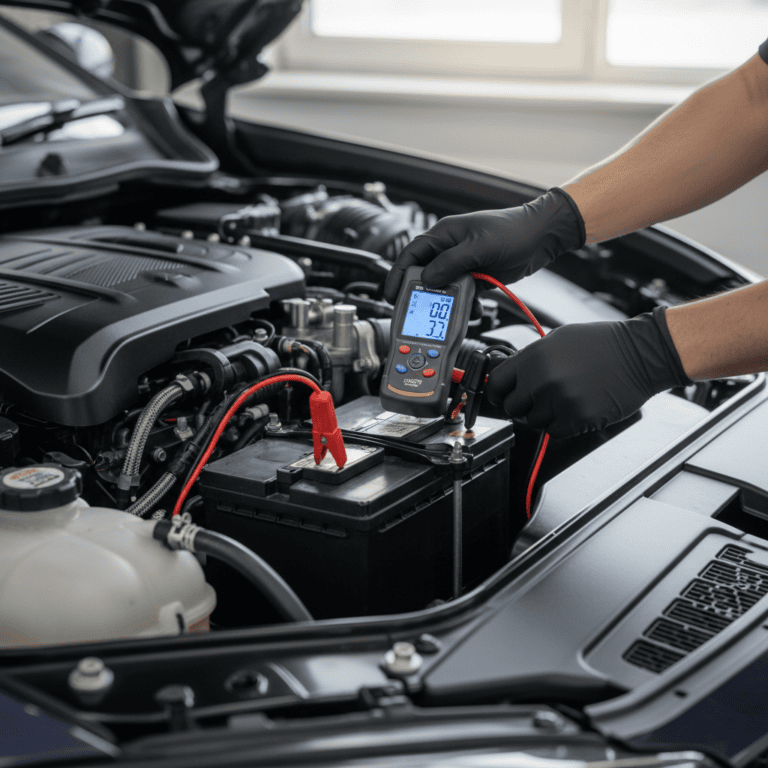
A trusted mechanic can often spot issues that sellers will not mention. A pre-purchase inspection is one of the best investments you can make when buying a used daily driver.
Ask the mechanic to check:
-
Engine condition
-
Transmission behavior
-
Suspension wear
-
Brake system
-
Fluid leaks
-
Tire wear patterns
-
Battery and charging system
-
Warning lights / stored codes
Features Worth Prioritizing for Daily Use
When shopping for a commuter or family daily driver, certain features provide real value:
-
Rearview camera
-
Bluetooth / hands-free calling
-
Good heating and air conditioning
-
Cruise control
-
Fold-down rear seats
-
Reliable automatic transmission
-
All-wheel drive (only if you truly need it)
-
Heated seats (especially useful in Canada)
Do not overpay for luxury features that add complexity and repair costs. For daily use, simple and dependable often wins.
Common Mistakes Buyers Make
1. Buying Based Only on Looks
A clean exterior can hide expensive mechanical problems. Always inspect the car thoroughly.
2. Ignoring Maintenance History
A missing service history is a risk. If records are unavailable, be more cautious and negotiate accordingly.
3. Skipping the Test Drive
A quick drive around the block is not enough. Test the car in city traffic and at highway speed if possible.
4. Not Comparing Insurance Costs
Insurance can vary a lot based on the model, trim, engine, and your location. Get quotes before buying.
5. Buying the Cheapest One Available
The lowest price is not always the best value. Often, a slightly higher-priced car with better maintenance history is the smarter choice.
How to Choose the Right Daily Driver for Your Lifestyle
The Best Used Cars to Buy for one person may not be the right choice for another. Match the vehicle to your real usage.
For Long Highway Commutes
Choose comfort, fuel economy, low cabin noise, and stable highway driving. Midsize sedans are often excellent here.
For City Driving
Go with compact dimensions, easy parking, and good visibility. Compact sedans and hatchbacks usually perform best.
For Families
Prioritize rear-seat space, trunk/cargo room, safety features, and reliability. A midsize sedan or compact SUV can be ideal.
For Snowy Regions (Canada / Northern USA)
Focus on winter tires first. AWD helps in some conditions, but good winter tires make the biggest difference for safety and control.
Final Buying Checklist Before You Pay
Before signing anything, confirm the following:
-
Clean title (or fully disclosed title status)
-
Matching VIN on car and documents
-
Vehicle history reviewed
-
Mechanical inspection completed
-
Test drive completed
-
No hidden fees from dealer
-
All keys/remotes included
-
Maintenance records reviewed
-
Tire condition checked
-
Brakes and fluids checked
When buyers follow a system instead of shopping emotionally, they usually end up with better results and fewer regrets.
Final Thoughts
A good used daily driver should make your life easier, not more expensive. Focus on reliability, practical features, total ownership cost, and condition—not just brand image or a low asking price. If you are patient and consistent in your search, you can find a vehicle that serves you well for years in either the U.S. or Canada.
The Best Used Cars to Buy are the ones that fit your budget, match your daily routine, and have been properly maintained. Shop carefully, inspect thoroughly, and think long-term. That is how you make a smart used car purchase.
Educational article by SDinformation.
Search Anything
Search any topic — including insurance, loans, travel, technology, health, and more.
About The Author