I learned this lesson in a parking lot, not in a shop.
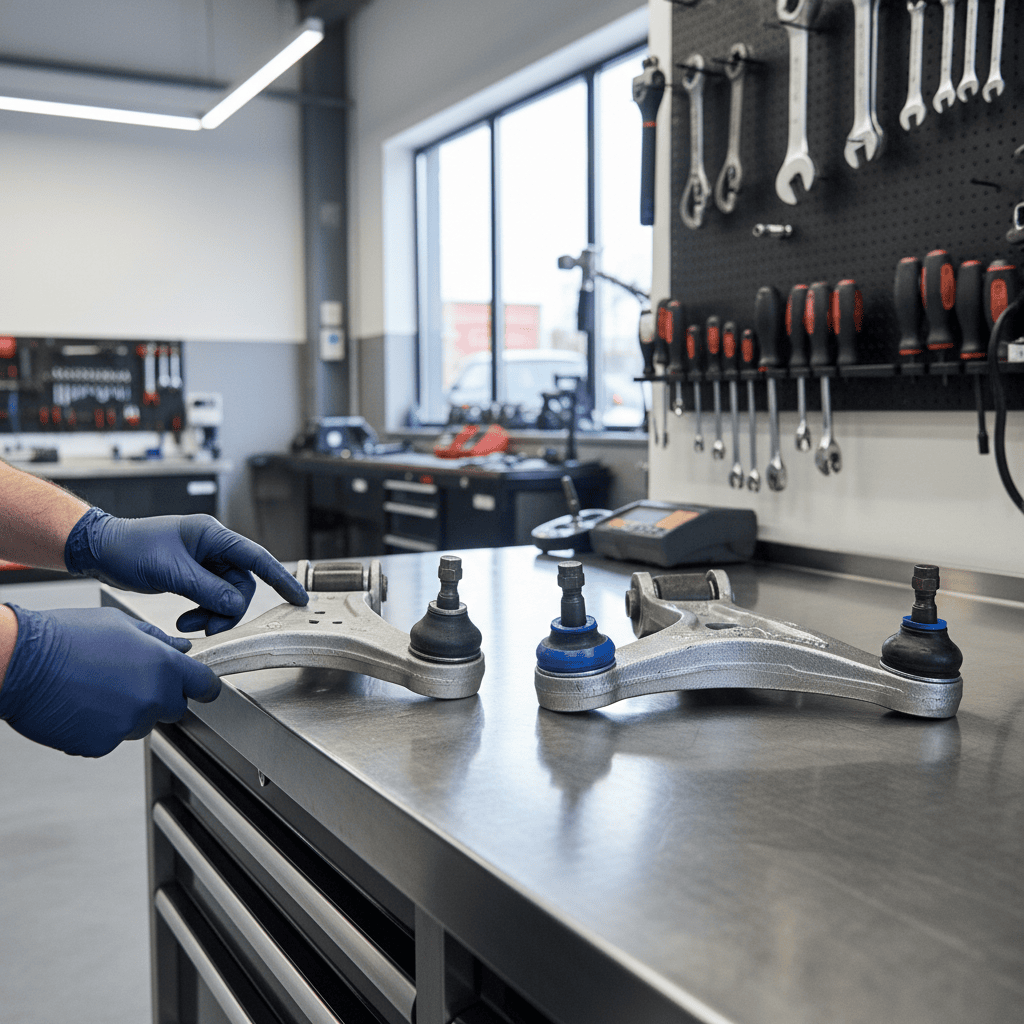
A friend called me one Saturday afternoon and said, “Can you come take a look at my car? I think the new part is bad.” He had just replaced a front suspension component a week earlier because it was cheap and had great reviews online. The install went fine. The car drove okay for a few days. Then the noise started—first a small clunk over speed bumps, then a vibration that got worse every morning.
When we pulled the wheel and looked closer, the issue was obvious: the part fit, but not perfectly. It was just enough off to create movement under load. The money he saved on the cheaper part disappeared fast once he had to buy the right one and pay for another alignment.
That was one of the moments that made me stop thinking about car parts as simply “expensive” or “cheap.” The real question is almost always OEM vs Aftermarket What to Buy based on the job, the car, and how long you plan to keep it.
And that’s the honest answer most drivers need.
Why this question matters more than people think
Most people don’t start researching car parts until something breaks. You’re busy, the car needs to be fixed, and suddenly you’re staring at two options:
-
One costs much more (OEM)
Search more topics
-
One costs less (aftermarket)
At first glance, it seems simple. But the wrong choice can cost more in repeat labor, poor fitment, noise, shorter life, or even damage to nearby components.
I’ve seen both sides:
-
expensive OEM parts that lasted and solved the issue immediately,
-
and quality aftermarket parts that worked perfectly and saved real money.
I’ve also seen the opposite:
-
overpriced OEM parts where aftermarket was the smarter move,
-
and bargain aftermarket parts that created new problems.
That’s why OEM vs Aftermarket What to Buy isn’t a one-size-fits-all answer. It’s a decision process.
First, what OEM and aftermarket actually mean
Before we go deeper, let’s clear up the confusion.
OEM (Original Equipment Manufacturer)
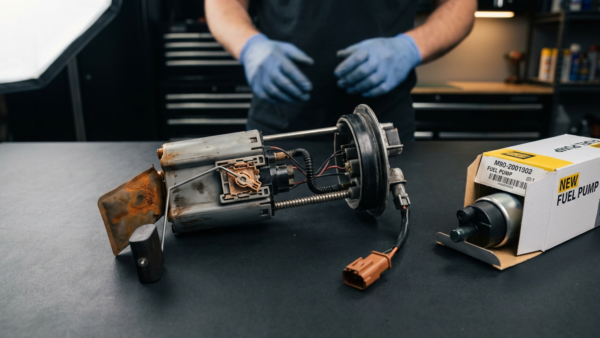
OEM parts are made by the manufacturer (or supplier to the manufacturer) to the exact specifications used when the car was built. In simple terms, this is the part closest to what your vehicle came with from the factory.
Aftermarket parts
Aftermarket parts are made by companies other than the vehicle brand. Some are budget-focused. Some are premium upgrades. Some are excellent. Some are terrible.
This is where many drivers make a mistake: they think “aftermarket” automatically means low quality. It doesn’t. The aftermarket world includes everything from cheap no-name parts to very high-quality brands that outperform factory parts in certain use cases.
That’s why the real conversation around OEM vs Aftermarket What to Buy should always include which aftermarket brand and product line, not just the word “aftermarket.”
The biggest mistake I see: buying only by price
I understand why people do it. Repairs are expensive. Labor is expensive. Life is expensive.
But with car parts, the cheapest option can become the most expensive if:
-
it fails early,
-
it doesn’t fit right,
-
it causes noise or warning lights,
-
or you have to pay labor twice.
I’ve seen drivers save $60 on a part and lose $300 in repeat labor. That hurts more than buying the right part the first time.
Whenever someone asks me OEM vs Aftermarket What to Buy, my first question is always:
“How much labor is involved?”
If the part is easy to replace (like some sensors, filters, or simple trim items), trying a quality aftermarket option can make a lot of sense.
If the part requires major labor (timing components, suspension work requiring alignment, internal engine parts, hard-to-reach components), I lean heavily toward proven quality—often OEM or top-tier aftermarket only.
When OEM is usually the smarter choice
There are situations where OEM is worth the price, and in my experience, these are the ones that save the most headaches.
1) Electronics and sensors (especially sensitive systems)
Modern cars can be picky. Some aftermarket sensors work fine, but others trigger check-engine lights, unstable readings, or weird drivability issues.
Common examples:
-
MAF sensors
-
crank/cam sensors
-
certain ABS sensors
-
module-related electronics
If the system is sensitive and diagnostics are expensive, OEM can be the safer path.
2) Parts where exact fitment matters a lot
Some parts need to fit exactly to avoid noise, leaks, or premature wear.
Examples:
-
body seals/gaskets in some cases
-
suspension bushings (depending on design)
-
clips/mounts with tight tolerances
-
interior trim pieces where alignment is noticeable
3) Warranty-sensitive repairs
If your vehicle is newer or you want minimal risk, OEM gives peace of mind. You know what you’re getting, and fitment is usually straightforward.
For many drivers, this is where OEM vs Aftermarket What to Buy becomes less about saving money and more about reducing uncertainty.
When aftermarket is often the better buy
This is the part people don’t hear enough: aftermarket can be the smarter choice—sometimes by a lot.
1) Maintenance parts from trusted brands
For many common service items, quality aftermarket parts are excellent.
Examples:
-
brake pads/rotors (from reputable lines)
-
filters
-
spark plugs (correct spec)
-
belts
-
some ignition components
In many cases, aftermarket offers equal or better value than OEM.
2) Upgraded use cases
Factory parts are designed for average use. If your vehicle has a tougher job than average, aftermarket upgrades can be better than OEM.
Examples:
-
heavy-duty brake pads for towing
-
upgraded shocks for rough roads
-
high-output alternators for accessory-heavy setups
-
reinforced suspension parts for frequent loads
3) Older vehicles where OEM pricing is no longer reasonable
For older cars, paying premium dealer pricing may not make financial sense. A quality aftermarket part can keep the car reliable without overspending.
This is where I often guide people through OEM vs Aftermarket What to Buy by thinking in terms of vehicle value, repair cost, and expected ownership time.
A real-world rule that helps: match the part to the risk
Here’s the approach I use in real life, and it works well.
Low-risk parts → quality aftermarket is often fine
If the part is easy to replace, inexpensive, and not safety-critical or system-sensitive, aftermarket can be a great value.
Medium-risk parts → choose premium aftermarket or OEM
If bad fitment or early failure would be annoying or costly, don’t buy the cheapest option.
High-risk or high-labor parts → OEM or top-tier proven aftermarket only
If the job is expensive to repeat, buy confidence.
This “risk matching” approach has saved people far more money than blindly choosing either OEM for everything or aftermarket for everything.
And honestly, that’s the most practical answer to OEM vs Aftermarket What to Buy.
Brand matters, but product line matters even more
This is another thing I learned the hard way.
A brand can make:
-
excellent premium parts,
-
decent mid-tier parts,
-
and weak budget parts.
So when someone says, “I used [brand] once and it was bad,” my next question is:
“Which line?”
The same company may sell an economy line for price shoppers and a premium line for long-term reliability.
If you buy aftermarket, don’t just choose by brand name or star rating. Check:
-
warranty length
-
country of manufacture (not always decisive, but useful)
-
product line/tier
-
fitment notes
-
reviews mentioning long-term results, not just “arrived fast”
Fitment is everything
I can’t say this strongly enough: half of “bad part” problems are actually fitment mistakes.
The listing may say your make/model is supported, but there can still be differences based on:
-
engine size
-
trim level
-
production date
-
VIN split
-
tow/sport/off-road package
-
FWD vs AWD
-
regional variations
Always verify with:
-
VIN when possible
-
exact engine code/spec
-
OE part number cross-reference
When people skip fitment checks, the whole OEM vs Aftermarket What to Buy debate becomes irrelevant because the wrong part was never going to work properly in the first place.
Labor changes the math more than part price
This is where experienced car owners think differently.
Let’s say:
-
OEM part = $220
-
aftermarket part = $120
At first glance, aftermarket looks like the obvious win.
But if labor is $300 and the aftermarket part fails or fits poorly, you might pay labor again. Suddenly the “cheap” repair becomes far more expensive than the OEM part would have been.
I’ve seen this most often with:
-
suspension components
-
engine mounts
-
sensors buried under intake parts
-
cooling system parts in tight engine bays
So when deciding OEM vs Aftermarket What to Buy, always calculate the full repair cost, not just the part price.
What I personally choose in real life
If I’m working on a daily driver I want to keep reliable, I usually do this:
-
OEM for sensitive electronics or high-risk fitment parts
-
Premium aftermarket for common maintenance parts
-
Upgraded aftermarket for heavy-duty use
-
Never the cheapest unknown option for critical repairs
That mix gives the best balance of reliability and cost in most cases.
And if I’m helping someone who just needs transportation and has a tight budget, I still avoid ultra-cheap no-name parts on anything safety-critical. Saving money matters—but repeat breakdowns cost more than people expect.
The emotional side of car repairs nobody talks about
Car repairs are stressful because the car is usually not a “project”—it’s your way to work, school, family, business. When a repair fails, it’s not just money. It’s missed time, frustration, tow bills, rearranged plans, and a feeling that you can’t trust your own vehicle.
That’s why I don’t like giving extreme advice like “always buy OEM” or “aftermarket is fine for everything.” Real life is more complicated than that.
The best decision is the one that matches your:
-
budget,
-
vehicle age,
-
how long you’ll keep it,
-
how critical the part is,
-
and how painful it would be to do the job twice.
That’s the real-world answer to OEM vs Aftermarket What to Buy.
Final thoughts
If you’re comparing parts tabs right now and trying to make the smartest choice, here’s the simple version:
-
Don’t buy by price alone.
-
Don’t assume all aftermarket parts are bad.
-
Don’t assume OEM is always worth the premium.
-
Verify fitment carefully.
-
Think about labor, not just parts cost.
-
Match part quality to repair risk.
In the end, OEM vs Aftermarket What to Buy is about buying the right part for your situation, not winning a debate online. When you choose with fitment, labor, and reliability in mind, you save more money, avoid repeat repairs, and get back to driving with confidence.
That’s the kind of decision that feels good long after checkout.
Educational article by SDinformation — created to help everyday drivers make safer, smarter car-part decisions with practical, real-world guidance.
About The Author

Search Anything
Search any topic — insurance, loans, travel, technology, health, and more.