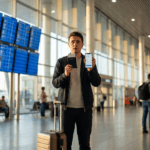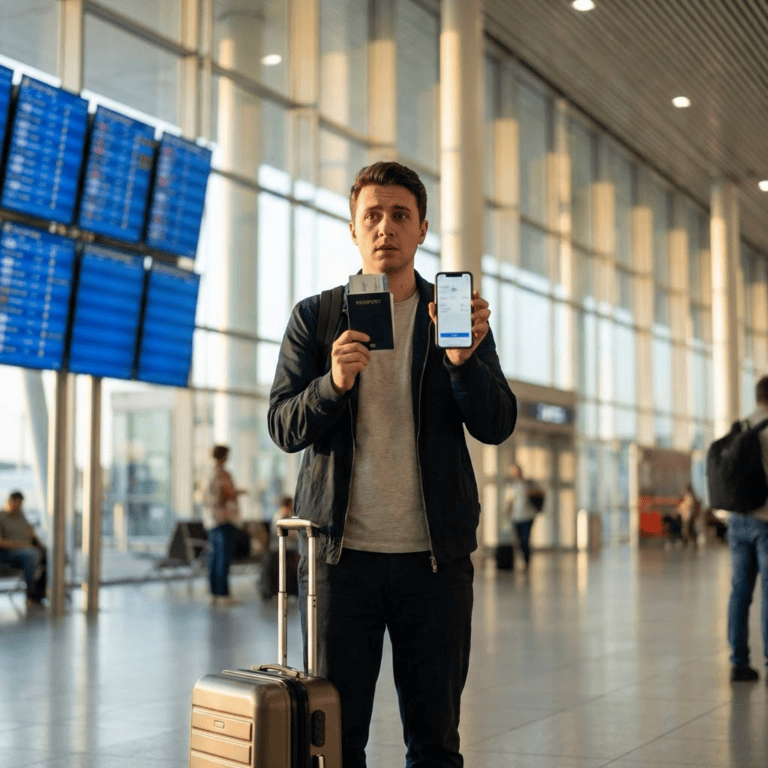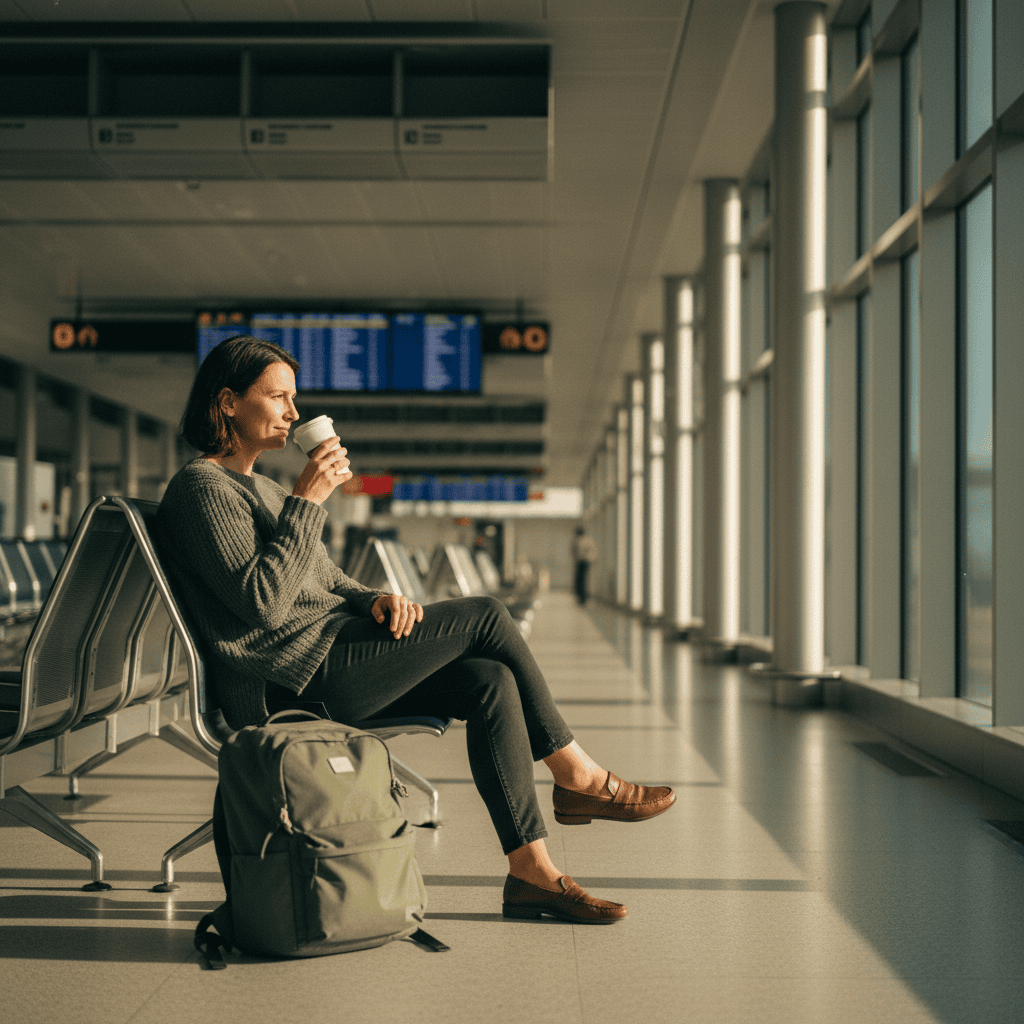
Carry-On Only Packing List is more than just a document—it is a philosophy of freedom that separates the stressed-out travelers from the ones who are already at the hotel bar while everyone else is still standing at the luggage carousel. If you have spent your previous trips lugging a 50-pound suitcase over European cobblestones or paying $75 gate fees because your bag was “too big,” you know exactly why people are obsessed with the “one bag” lifestyle. In 2026, with airlines getting even stricter about dimensions and weight, having a refined Carry-On Only Packing List is the only way to ensure your travel remains about the destination and not the baggage.
I’ve spent years traveling with nothing but a 35L backpack, and I can tell you that the secret isn’t some expensive “space-saving” gadget. It is about a brutal, honest assessment of what you actually need versus what your anxiety tells you to bring. This guide, created by SDinformation for education, is designed to give you the real-world strategy for packing light without feeling like you’re wearing the same dirty shirt for two weeks.
1. The Foundation: Picking Your “Vessel”
Before you even look at your clothes, you need to understand that your bag is part of your Carry-On Only Packing List. In 2026, the “soft-sided” vs. “hard-shell” debate has mostly been won by soft-sided backpacks for one reason: flexibility. A soft bag can be squished into a metal sizer at the gate; a hard shell cannot.
Look for a bag in the 35L to 40L range. Anything larger and you risk being forced to check it; anything smaller requires a level of minimalism that most people find miserable. Ensure it has “clamshell” opening—meaning it opens like a suitcase—so you don’t have to dig to the bottom of a top-loading bag just to find a clean pair of socks.
2. The “Rule of Three” for Clothing
The biggest mistake on any Carry-On Only Packing List is over-packing clothes. You do not need an outfit for every day. You need a capsule wardrobe.
-
3 Tops: One you wear, two you pack. Stick to high-quality synthetics or Merino wool. In 2026, Merino is still the gold standard because it doesn’t smell, even after three days of wear, and it dries in hours.
-
2 Bottoms: One pair of “technical” trousers (that look like normal chinos) and one pair of versatile shorts or a skirt. Jeans are heavy, slow to dry, and take up massive space—leave them unless they are your “travel day” pants.
-
1 Outer Layer: A packable “puffer” jacket or a high-quality rain shell. Even in summer, planes are freezing.
Search more topics
3. The Shoe Strategy (The Space Killer)
Shoes will ruin your Carry-On Only Packing List faster than anything else. They are bulky and dirty.
-
Wear your heaviest shoes: If you’re bringing boots or chunky sneakers, they stay on your feet during transit.
-
Pack only one other pair: A slim pair of “nice” shoes or versatile sandals.
-
Stuff them: Your shoes are essentially small caves. Use them to store your socks, charging cables, or even your internal battery bank. Never leave a shoe empty in a carry-on.
4. Toiletries: The “Solid” Revolution
By 2026, we should all be over the “tiny plastic bottle” phase. Liquids are a headache for security and they eventually leak. Your Carry-On Only Packing List should prioritize solids:
-
Shampoo/Conditioner Bars: They work just as well as the liquid stuff and don’t count toward your TSA limit.
-
Solid Deodorant & Sunscreen Sticks: Easier to pack and zero mess.
-
Toothpaste Tabs: They look like mints, you chew them, and then brush. They take up 1/10th of the space of a tube.
5. Tech and “The Tangle”
We all carry too much gear. For a 2026 travel kit, you should aim for “One Plug to Rule Them All.” Invest in a 65W or 100W GaN (Gallium Nitride) charger. These are tiny but powerful enough to charge a laptop, phone, and tablet at the same time. Pair this with a single high-quality multi-end cable. If it’s not on your Carry-On Only Packing List to keep your tech organized, you’ll spend your whole trip untangling cords in the back of an Uber.
6. The Personal Item: Your Survival Kit
Your “personal item” (the small bag that fits under the seat) is your insurance policy. If the airline decides the overhead bins are full and they force you to gate-check your main bag, your personal item stays with you. It must contain your “cannot lose” items: passport, medication, expensive electronics, and one spare pair of underwear. If you have this prepared, a forced gate-check is a minor annoyance rather than a trip-ending disaster.
7. The Laundry Mindset
The only way a Carry-On Only Packing List works for a trip longer than five days is if you accept the reality of laundry. You are not “doing chores” on vacation; you are maintaining your freedom. A quick sink-wash of your socks and underwear takes three minutes before you go to bed. By morning, they are dry. This single habit allows you to travel for months with the same amount of gear you’d take for a long weekend.
Final Thoughts from SDinformation
At the end of the day, a Carry-On Only Packing List is a personal thing. What works for a solo backpacker in Southeast Asia won’t work for a business traveler in London. However, the core principles remain the same: limit your shoes, embrace solids, and stop packing for “what if” scenarios that never actually happen.
This educational resource from SDinformation is meant to help you realize that the less you carry, the more you see. When you aren’t worried about your luggage, you’re free to change your plans, take a different train, or walk that extra mile to the better viewpoint.
Search Anything
Search any topic — including insurance, loans, travel, technology, health, and more.
About The Author