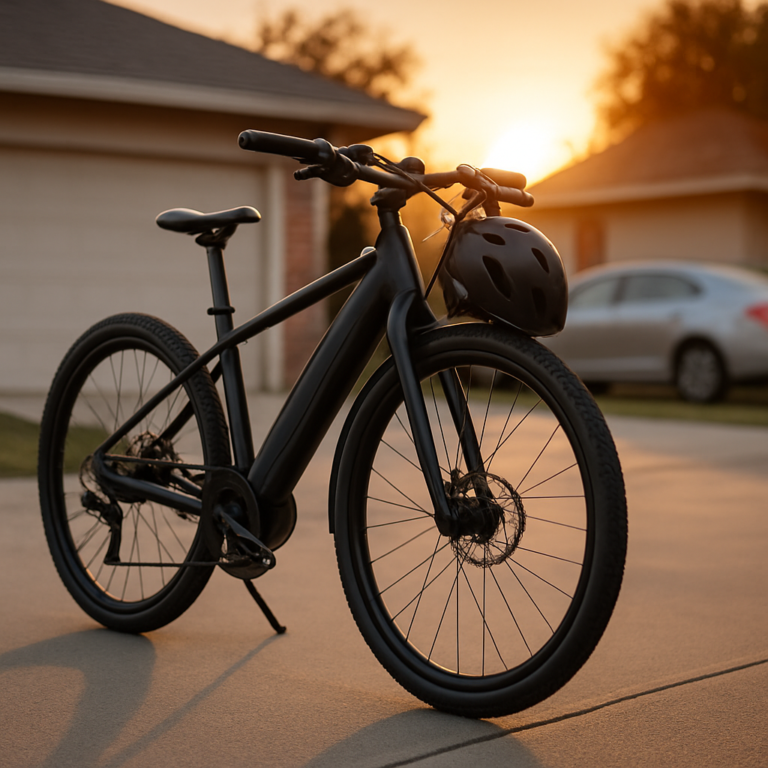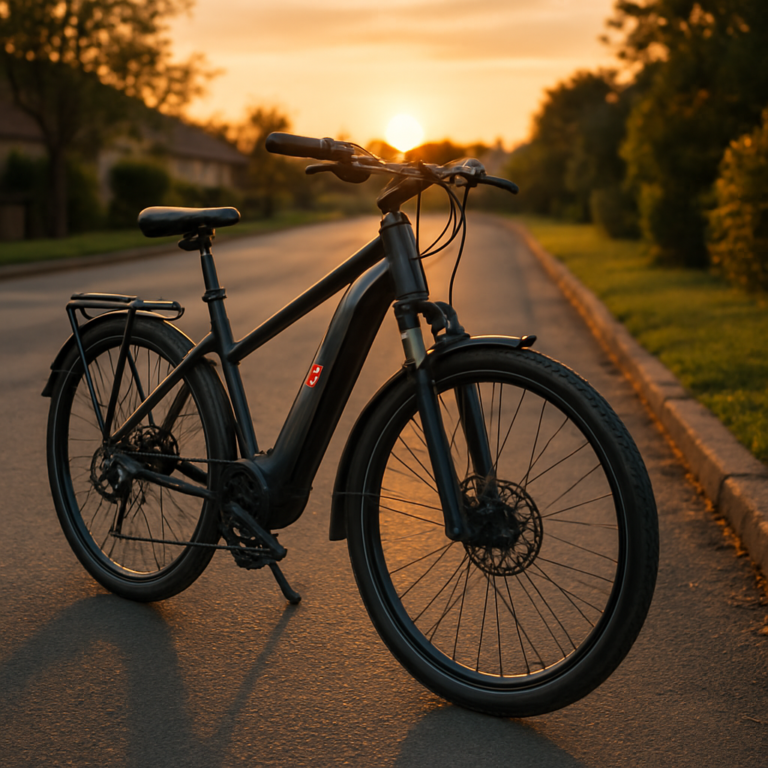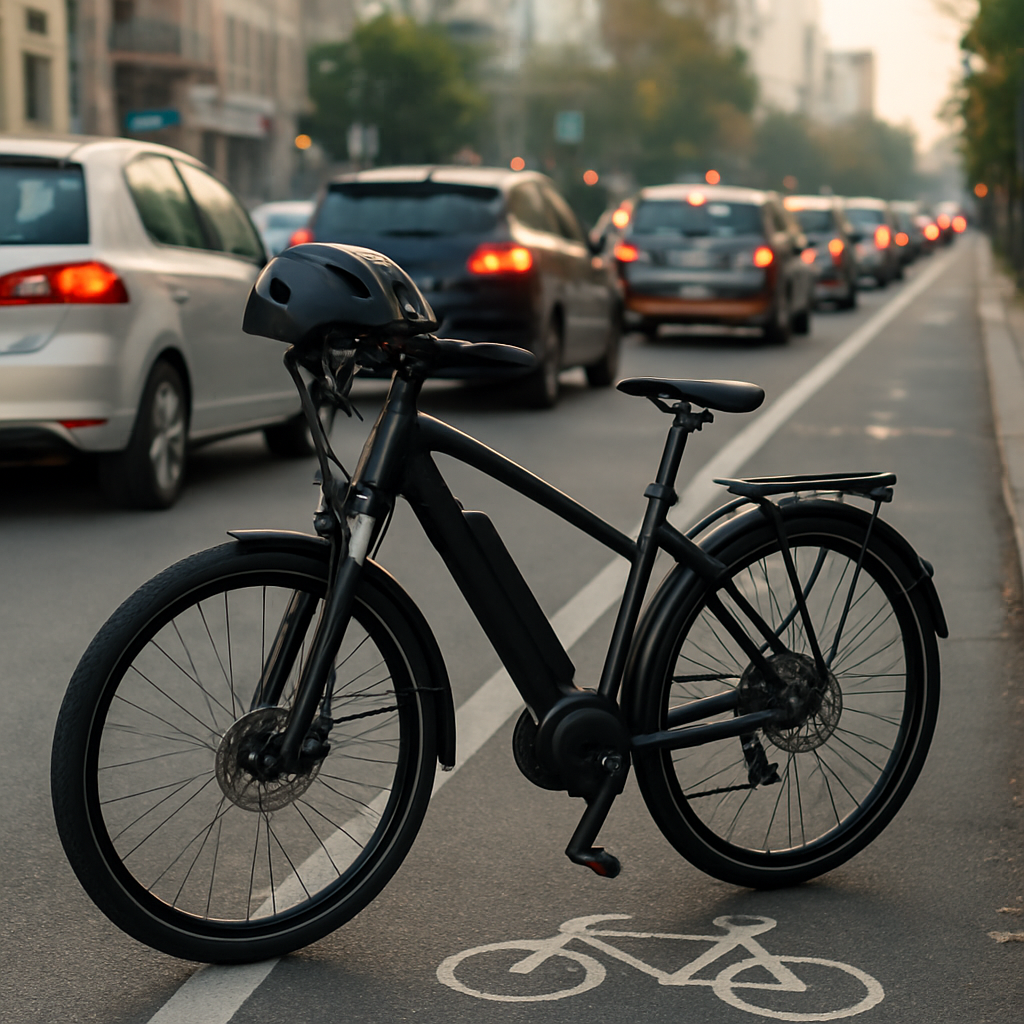
If you had asked me five years ago if I’d ever consider a bicycle my “primary vehicle,” I would have laughed in your face. I loved my car. I loved the AC, the leather seats, and the ability to blast music while sitting in a metal bubble. But then, my commute turned into a 45-minute crawl through stop-and-go traffic that was slowly draining my soul. One morning, I watched a guy on a bright orange e-bike zip past me in the bike lane while I was stuck behind a city bus. He looked… happy. I looked like I was waiting for a root canal.
That was the spark. I started doing the math on electric bike vs car costs, and what I found wasn’t just a “small saving.” It was a complete financial blowout. We’ve been conditioned to think a car is a necessity of adulthood, but for millions of us living in cities or suburbs, the car is actually an anchor.
The Day One Shock: Buying the Entry Ticket
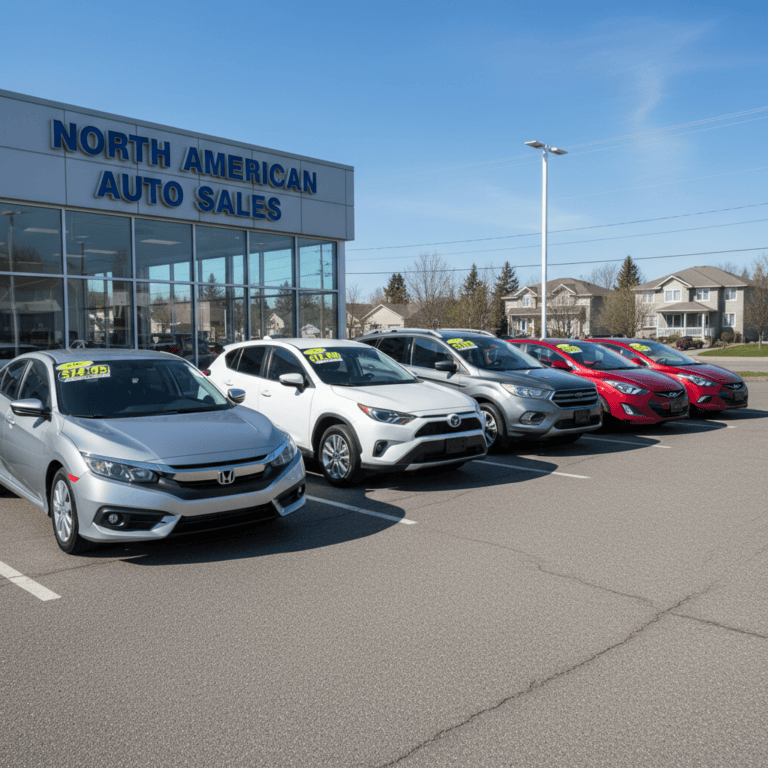
The biggest hurdle in the electric bike vs car debate is the sticker shock of a high-end e-bike. When you see a Specialized or a Trek e-bike for $4,500, your brain immediately goes: “I could buy a 2012 Honda Civic for that.”
And you’re right, you could. But that $4,500 Civic is a ticking time bomb of repair costs. It needs registration, it needs a title transfer, and it likely needs a set of tires and a timing belt within six months. The e-bike, on the other hand, is brand new. It has a warranty. It has zero “surprise” costs on day one. When you weigh the upfront cost of an electric bike vs car, you have to remember that the car’s price is just the “cover charge” to get into the club. The real bills haven’t even started yet.
The Insurance Trap and the “Hidden” Car Tax
Let’s talk about the bill that hits your inbox every month regardless of whether you drive or not: Insurance.
The average American pays somewhere around $1,500 to $2,000 a year for car insurance. That’s nearly $150 a month just for the right to let your car sit in the driveway. In the battle of electric bike vs car, this is where the bike pulls its first massive lead. I don’t pay “insurance” on my bike. I have it covered under my renter’s insurance for a few extra dollars a month, but even if I bought a dedicated e-bike policy for theft and crashes, it would be $15 a month.
When you add in registration fees, city parking permits, and the occasional “oops” parking ticket, the car is already costing you $2,500 a year before you’ve even turned the key.
The “Fuel” Reality: Cents vs. Dollars
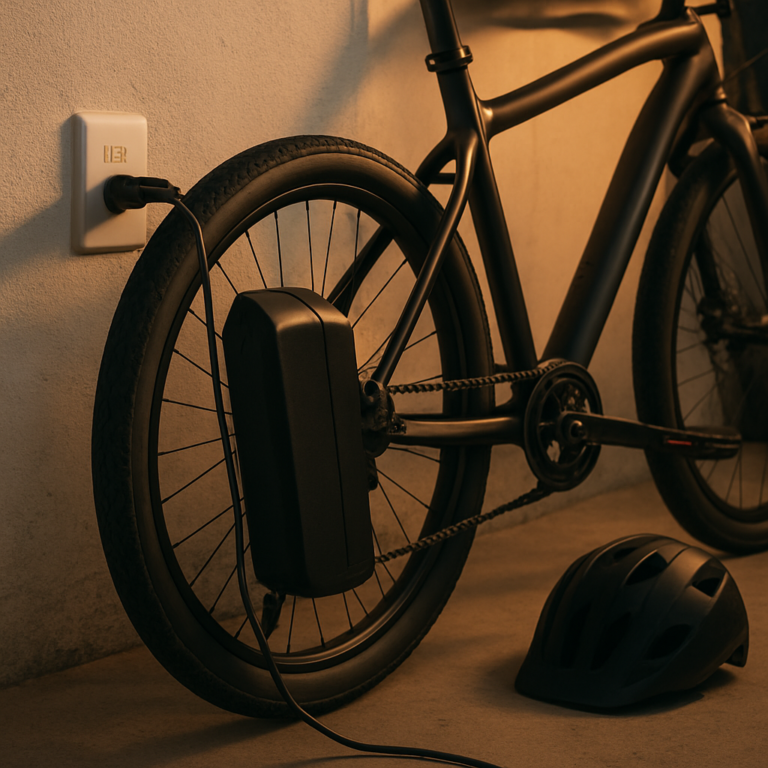
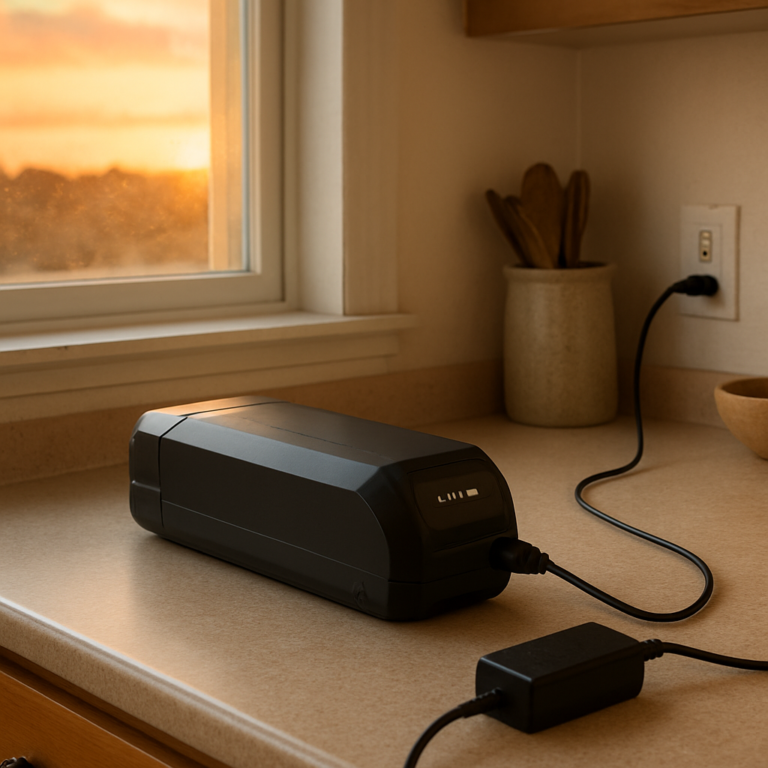
I used to spend $60 a week on gas. That’s $3,120 a year. Now, I charge my e-bike in my garage. I checked my utility bill, and my “fuel” cost is roughly $0.12 per full charge. I get about 40 miles on that charge. If I ride every single day, I’m spending maybe $4 a month.
Search more topics
Explore related answers and trending queries in seconds.
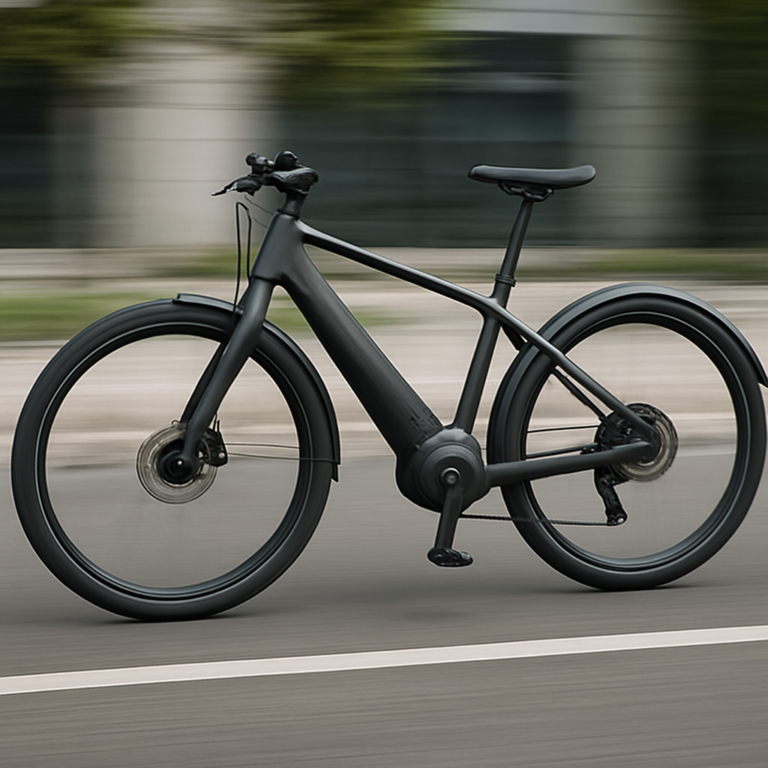
In the electric bike vs car comparison, the energy efficiency isn’t even in the same universe. A car is an incredibly inefficient way to move one human being. You are using a 4,000-pound machine to move a 180-pound person. An e-bike is a 60-pound machine moving a 180-pound person. The physics alone tell you which one wins the wallet war.
The Maintenance Mystery: No More “Check Engine” Lights
There is a specific kind of stress that comes from a “Check Engine” light. Your heart sinks because you know you’re about to lose at least $500. Cars are miracles of engineering, but they have thousands of moving parts—sensors, gaskets, pistons, and transmissions—that are all waiting to fail.
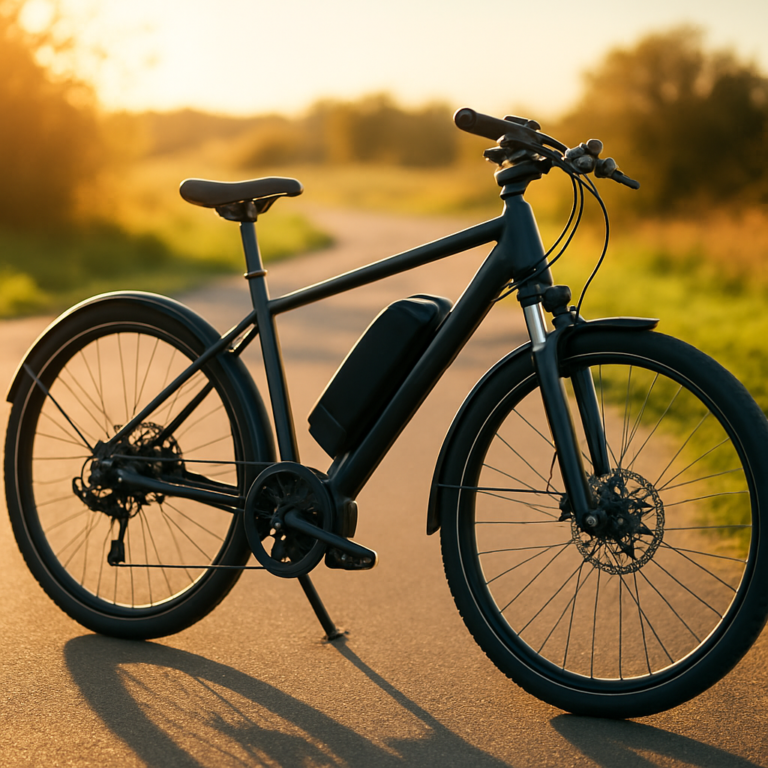
An e-bike is basically a “beefy” bicycle. I can fix most things on it with a $15 multitool and a YouTube video. Yes, the motor or battery can fail, but it’s rare. My annual maintenance consists of a new chain ($30), some brake pads ($20), and a tune-up at the local shop ($100). That’s it. In the electric bike vs car world, the bike is “transparent” maintenance. You see the problem, you fix the problem. There are no “mysterious computer failures” that require a $150-an-hour specialist.
The Battery Elephant: Addressing the Replacement Cost
I’ll be honest: e-bike batteries don’t last forever. After 4 or 5 years of daily use, you’re going to notice the range dropping. A new high-quality battery can cost $800.
People use this as an argument against the bike, but let’s be real. In five years of car ownership, you will spend $800 just on oil changes and air filters. The cost of a new battery is essentially the “major service” of the e-bike world. When you average it out, it’s about $13 a month. If you can’t spare $13 a month to avoid car ownership, you have bigger problems.
The Intangibles: Time, Stress, and the “Park Anywhere” Perk
If we only look at the money, the electric bike vs car debate is over in five minutes—the bike wins by a landslide. But what about the experience?
I used to spend 15 minutes every morning just looking for a parking spot near my office. Now, I roll up to the front door, lock my bike to the rack, and I’m at my desk in 30 seconds. I’ve “clawed back” about 30 minutes of my life every single day.
And then there’s the mood. Driving in traffic makes people mean. It’s a competitive, high-stress environment. Riding a bike—even with a motor—is active. You’re outside. You’re seeing the neighborhood. You arrive at work with your blood pumping and your brain actually turned on.
When Do You Still Need the Car?
I’m not a zealot. I know an e-bike can’t do everything. If you have to haul three kids to soccer practice in a rainstorm, the bike is going to be a nightmare. If you live 50 miles from your job and have to take the interstate, the electric bike vs car conversation is moot—you need the car.
But for the “middle 60%” of us? For the people who live 5 to 10 miles from work? For the people who just need to grab a gallon of milk and a loaf of bread? The car is overkill.
Conclusion: The Two-Vehicle Compromise
The real “life hack” isn’t necessarily getting rid of your car entirely. It’s getting rid of your second car.
If a household can go from two cars to one car and one e-bike, they are suddenly “printing” $5,000 to $7,000 a year in savings. That’s a vacation. That’s a massive chunk of a mortgage payment. That’s a retirement fund.
When you look at the electric bike vs car dynamic, don’t look at it as a sacrifice. Look at it as an upgrade to your lifestyle and a massive relief for your bank account. I didn’t plan on becoming “the bike guy,” but once you see the numbers, you can’t un-see them. The car is a luxury we’ve been told is a necessity. The e-bike is the reality we’ve been waiting for.
This article was crafted by sdinformation. We help you navigate the high-voltage world of modern transport. Now that you’ve seen the breakdown of electric bike vs car, are you ready to see which specific bike models are built to handle a daily 10-mile commute?
About The Author

Search Anything
Search any topic — insurance, loans, travel, technology, health, and more.