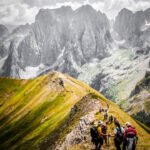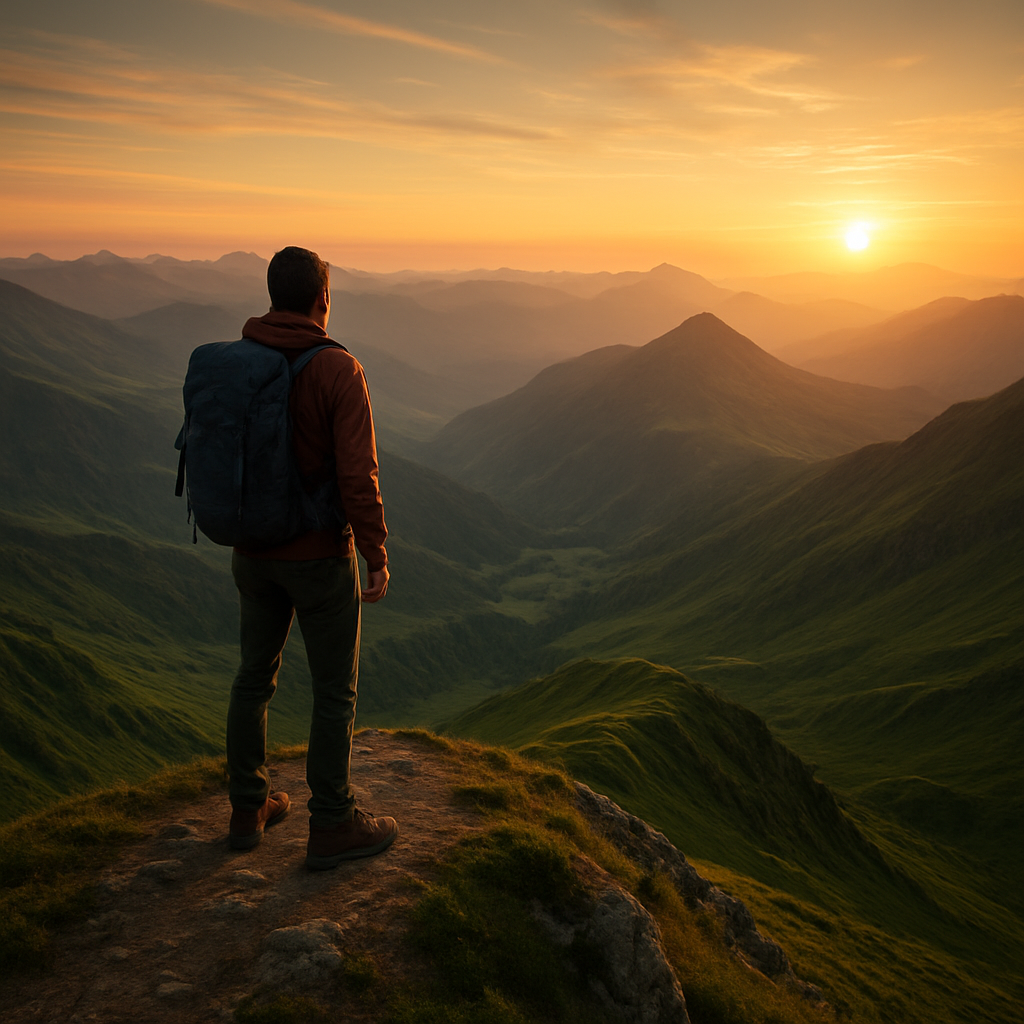
A hiker pauses on a mountain ridge at sunrise, taking in sweeping views of green valleys and distant peaks.
Imagine standing on a mountain peak just after sunrise. The air is crisp and cool, the sky slowly turns shades of orange and purple, and the world below feels completely still. You hear nothing but the wind moving through the trees and your own steady breathing. Moments like this are why people fall in love with hiking.
Experiences like these don’t happen by chance. Great hiking trips are built with thoughtful planning, realistic expectations, and a bit of outdoor know-how. Whether you’re new to hiking or ready to take on more challenging trails, the right preparation can turn a simple walk into an unforgettable adventure.
This guide walks you through everything you need to plan a safe, enjoyable, and rewarding hiking trip from choosing the right trail to packing essential gear, understanding weather conditions, and fueling your body properly along the way.
Choosing the Right Hiking Trail
Match the Trail to Your Fitness Level
Picking the right trail is the foundation of a successful hiking trip. Every decision that follows depends on this first choice. Be honest with yourself about your fitness level and experience. If climbing stairs leaves you winded, a long mountain trail with steep elevation gain is not the best place to start.
Begin with trails that challenge you without pushing you beyond your limits. As your strength and confidence grow, you can gradually work your way up to longer and steeper routes.
Research Before You Go
Good research can prevent bad surprises. Trail websites and local park resources provide important details such as distance, elevation gain, difficulty level, and current conditions. Recent reviews from other hikers are especially valuable because they often mention things official descriptions don’t — fallen trees, washed-out sections, muddy paths, or unexpected closures.
Some trails require permits or have seasonal restrictions, so always check access rules before heading out. A little research goes a long way toward a smoother experience.
Choose the Experience You Want
Not all hikes feel the same. Some trails lead through dense forests, others across open ridgelines or past alpine lakes. Think about what excites you most — waterfalls, wildlife, wide views, or quiet solitude.
Search more topics
Explore related answers and trending queries in seconds.
Also consider the trail layout. Loop trails offer variety and bring you back to your starting point, while out-and-back trails follow the same path both ways. Each has its own appeal, and your choice can shape the entire experience.
Planning Distance and Timing
Understand How Long a Hike Really Takes
Many new hikers underestimate how long a trail will take. A common estimate is two to three miles per hour on moderate terrain, but this changes with elevation, trail conditions, weather, and fitness level.
Plan extra time for breaks, photos, meals, and simply enjoying the scenery. It’s always better to finish early than to feel rushed or exhausted near the end.
Start Early When Possible
Starting early in the day gives you cooler temperatures, better lighting, and more flexibility if plans change. Early starts also help you avoid afternoon heat and common mountain weather patterns like late-day thunderstorms.
There’s something special about being on the trail as the world wakes up — it often becomes one of the most memorable parts of the hike.
Essential Hiking Gear You Actually Need
Footwear Comes First
Good footwear can make or break a hiking trip. Choose hiking shoes or boots that fit well, offer solid grip, and provide enough support for the terrain you’ll be walking on. Never wear brand-new boots on a long hike — break them in first to avoid blisters and discomfort.
Comfortable feet mean more energy, better balance, and a far more enjoyable experience.
Dress in Layers
Weather can change quickly outdoors, especially in the mountains. Layered clothing helps you stay comfortable throughout the day.
Start with a moisture-wicking base layer to keep sweat away from your skin. Add an insulating layer like fleece or a lightweight jacket, and finish with a waterproof outer shell to protect against wind and rain. A hat and sunglasses are also important, particularly at higher elevations where sun exposure is stronger.
Pack Smart, Not Heavy
Your backpack should match the length of your hike. Day hikes usually require a 20–30 liter pack, while overnight trips need more space.
Always carry:
Enough water (more than you think you’ll need)
Energy-rich snacks
A basic first aid kit
A map, compass, or GPS device
A headlamp or flashlight with extra batteries
Unexpected delays can happen, and being prepared makes all the difference.
Safety Gear and Small Essentials
Safety items may seem minor, but they play a big role in emergencies. A whistle can help signal for help, while an emergency blanket provides warmth if conditions change suddenly. A small multi-tool or knife can be useful for repairs or unexpected needs.
Trekking poles can reduce strain on your knees during long descents and improve balance on uneven terrain. Sunscreen and insect repellent may not feel essential at first, but they greatly improve comfort on longer hikes.
Understanding Weather and Seasonal Conditions
Choose the Right Season
Timing matters. Spring offers wildflowers and flowing streams but often brings mud and unpredictable weather. Summer opens access to higher elevations, though heat and crowds can be an issue. Fall is popular for cooler temperatures and colorful landscapes, while winter hiking requires specialized gear and advanced skills.
If you’re new to hiking, focus on spring, summer, or fall trails until you build more experience.
Watch the Weather Closely
Mountain weather is unpredictable. Check multiple forecasts and look for overall trends rather than relying on a single source. Pay attention to temperature ranges, wind speed, and the chance of storms.
Remember that temperatures drop as elevation increases — often several degrees for every thousand feet. Conditions at the trailhead can be very different from conditions at the summit.
Fueling Your Body: Food and Water
Eat for Energy
Hiking burns far more energy than everyday activities. Choose foods that are lightweight, easy to carry, and high in calories. Trail mix, nuts, energy bars, and dried fruit are popular because they provide steady energy throughout the day.
Bring foods you enjoy eating. Long hikes are not the time to experiment with unfamiliar snacks.
Stay Properly Hydrated
Water is essential for performance and safety. Dehydration leads to fatigue, headaches, and poor decision-making. As a general rule, plan for about one liter of water every two hours of hiking, adjusting for heat and intensity.
If water sources are available along the trail, carry a filter or purification tablets. Electrolyte supplements can also help replace minerals lost through sweat, especially on longer or hotter hikes.
Bringing It All Together
Planning a hiking trip may seem overwhelming at first, but every experienced hiker started exactly where you are now. Start small, learn from each outing, and gradually build confidence.
Create a simple checklist covering trail research, gear preparation, weather checks, and food planning. Always tell someone your route and expected return time — it’s a simple step that can save lives.
Most importantly, stay flexible. Conditions change, plans shift, and sometimes turning back is the smartest decision you can make. The mountains will always be there for another day.
With thoughtful planning and the right mindset, your next hiking adventure can be safe, rewarding, and deeply memorable. All that’s left is to lace up your boots, step outside, and choose the path that leads you forward.
About The Author

Search Anything
Search any topic — insurance, loans, travel, technology, health, and more.