
Panoramic views from the summit of Mount Elbert in Colorado.
Mount Elbert stands as the highest peak in Colorado and the tallest mountain in the Rocky Mountains, rising to an elevation of 14,440 feet. For many hikers, reaching its summit is a milestone—often a first introduction to Colorado’s famous 14ers. While Mount Elbert is considered non-technical, success on this mountain depends heavily on timing. Choosing the best time to hike Mount Elbert can mean the difference between a rewarding experience and a dangerous one.
Weather patterns, altitude exposure, trail conditions, and daylight hours all shape the safety and enjoyment of this hike. This guide explains exactly when to go, why certain months are better than others, and how beginners can prepare confidently.
When Is the Best Time to Hike Mount Elbert?
The best time to hike Mount Elbert is generally from late June through early September, when trails are mostly snow-free and access roads are open. Within this window, July and August offer the most reliable conditions for the majority of hikers.
During the summer hiking season:
-
Snowfields have largely melted
-
Trails are clearly defined
-
Temperatures are manageable at high altitude
-
No technical gear is required
Search more topics
Explore related answers and trending queries in seconds.
However, summer also brings afternoon thunderstorms, which makes start time and weather awareness critical.
Best Month to Hike Mount Elbert
July and August: Ideal for Most Hikers
July and August are widely regarded as the best months to hike Mount Elbert, especially for beginners and first-time 14er hikers.
These months provide:
-
Stable trail conditions
-
Predictable access to trailheads
-
Minimal snow near the summit
-
Longer daylight hours
Because of these advantages, Mount Elbert is busiest during mid-summer. Starting early helps avoid crowds and weather risks.
June: Variable but Possible
June sits at the edge of the hiking season. Early June may still involve:
-
Snow above treeline
-
Muddy lower sections
-
Icy patches in shaded areas
Late June often marks the transition to full summer conditions, especially in low-snow years. Checking recent trail reports is essential if hiking Mount Elbert in June.
September: Beautiful but Unpredictable
Early September can be stunning, with cooler temperatures and fewer hikers. However, risks increase due to:
-
Sudden snowstorms
-
Rapid temperature drops
-
Shorter daylight hours
September hikes demand flexibility and strong weather judgment.
How Early Should You Start Mount Elbert?
An early start is one of the most important safety factors on Mount Elbert. Most experienced hikers recommend beginning between 4:00 AM and 6:00 AM.
Starting early allows you to:
-
Reach the summit before storms develop
-
Descend safely before afternoon weather
-
Reduce exposure to lightning above treeline
This practice aligns with a well-known high-altitude guideline known as the 2 PM rule.
Understanding the 2 PM Rule
The 2 PM rule advises hikers to be off the summit and descending by 2:00 PM. In Colorado’s alpine environment, thunderstorms commonly form in the early afternoon, bringing lightning, hail, and strong winds.
On Mount Elbert, where much of the trail remains above treeline, following the 2 PM rule significantly reduces risk. Turning around early is a sign of good judgment—not failure.
What Is the 3000 Foot Rule?
The 3000 foot rule refers to limiting elevation gain to about 3,000 feet per day when acclimatization is limited. While Mount Elbert requires more elevation gain than this, the rule highlights the importance of gradual altitude exposure.
To reduce the risk of altitude sickness:
-
Spend at least one night above 8,000–10,000 feet
-
Avoid rapid ascents from low elevations
-
Hydrate frequently and eat regularly
Altitude affects everyone differently, regardless of fitness.
Can a Beginner Climb Mount Elbert?
Yes, Mount Elbert is suitable for beginners, provided they prepare properly and respect mountain conditions.
Mount Elbert is often chosen as a first 14er because:
-
No technical climbing is required
-
Trails are well-established
-
Routes are classified as Class 1 hiking trails
-
Navigation is straightforward in good conditions
Despite this, beginners should not underestimate the challenge. Distance, elevation gain, and altitude fatigue still demand endurance and planning.
Is Mount Elbert a Good First 14er?
Mount Elbert is commonly recommended as a good first 14er, particularly via the North Mount Elbert Trail. Its gradual ascent and non-technical terrain make it more approachable than many other Colorado 14ers.
Compared to steeper or more exposed peaks, Mount Elbert allows hikers to focus on pacing, breathing, and acclimatization rather than scrambling or route-finding.
Easiest Trail to Mount Elbert
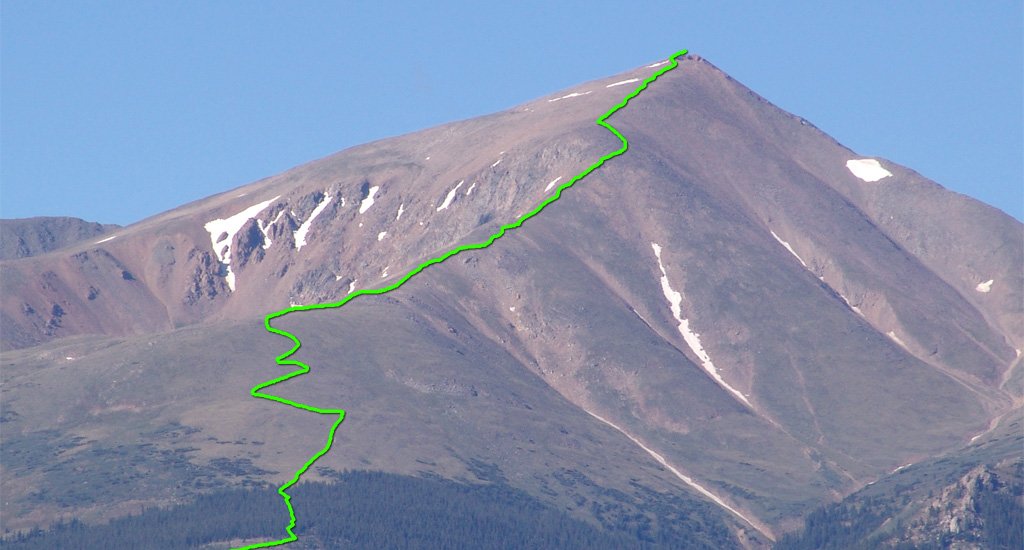
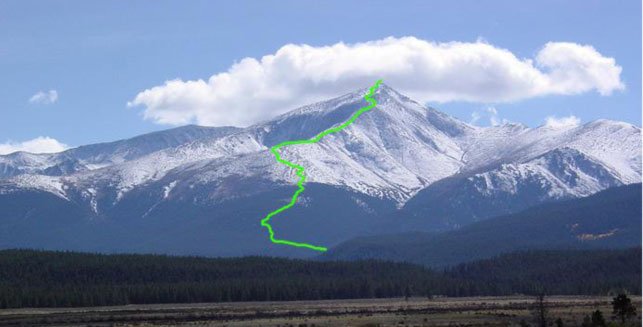
North Mount Elbert Trail
The North Mount Elbert Trail is widely considered the easiest and most popular route.
Trail overview:
-
Distance: approximately 9 miles round trip
-
Elevation gain: about 4,500 feet
-
Difficulty: Class 1
This route features a steady incline, clear trail markers, and minimal exposure, making it ideal for beginners hiking Mount Elbert during summer.
South Mount Elbert Trail
The South Mount Elbert Trail is slightly longer but similar in difficulty. It is less crowded and offers a quieter experience, though total elevation gain is comparable.
Do You Need Oxygen to Climb Mount Elbert?
No, supplemental oxygen is not required to hike Mount Elbert. However, the altitude can cause symptoms such as:
-
Shortness of breath
-
Headaches
-
Nausea
-
Fatigue
The best way to manage altitude is slow pacing, proper acclimatization, and hydration. If symptoms worsen, descending is the safest option.
What Is Considered the Easiest 14er in Colorado?
Mount Elbert is often listed among the easiest 14ers in Colorado, along with peaks such as:
-
Mount Bierstadt
-
Quandary Peak
-
Mount Sherman
These mountains share non-technical routes and well-maintained trails. Among them, Mount Elbert stands out for its clear routes and consistent summer conditions.
Weather on Mount Elbert: What to Watch For
Alpine weather changes quickly. Even during peak summer months, hikers should be prepared for:
-
Sudden thunderstorms
-
High winds near the summit
-
Rapid temperature changes
-
Reduced visibility
Always check local mountain forecasts and be willing to turn back if conditions deteriorate.
Final Tips for Best time to Hike Mount Elbert Safely
-
Choose mid-summer for best conditions
-
Start early and follow the 2 PM rule
-
Acclimate before your hike
-
Bring layered clothing, water, and calories
-
Respect weather forecasts and trail conditions
Mount Elbert rewards preparation, patience, and good decision-making.
About The Author

Search Anything
Search any topic — insurance, loans, travel, technology, health, and more.