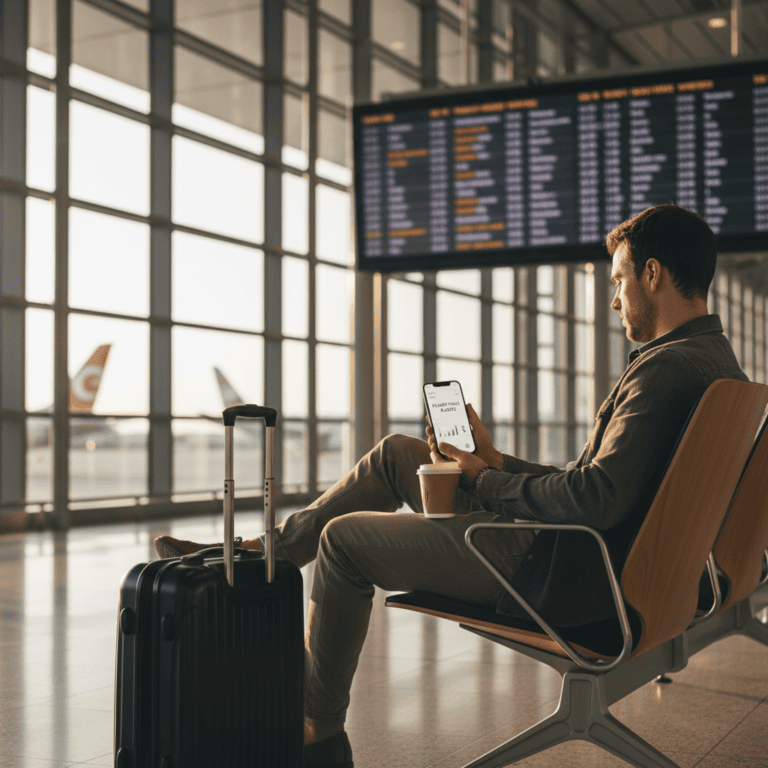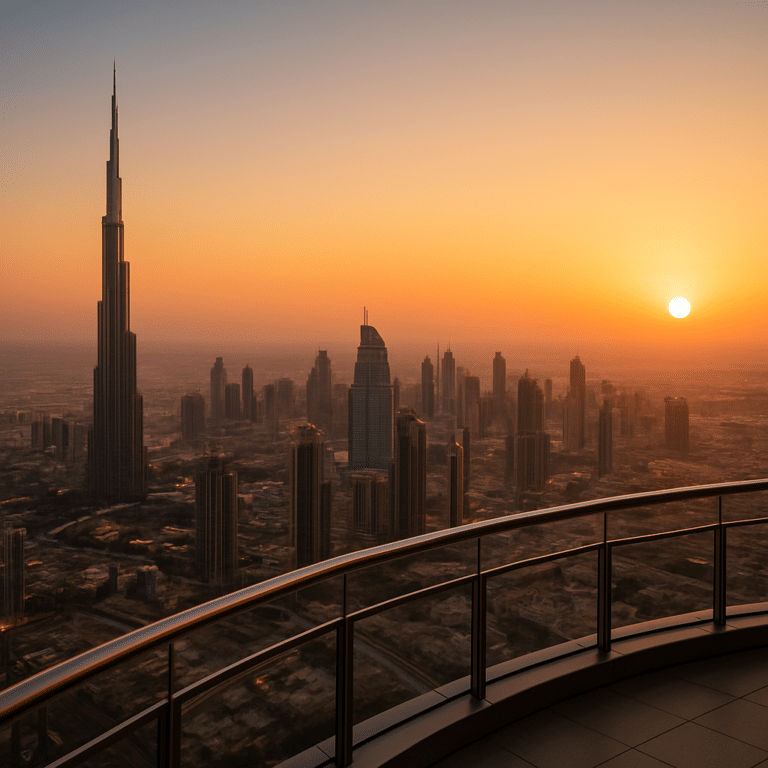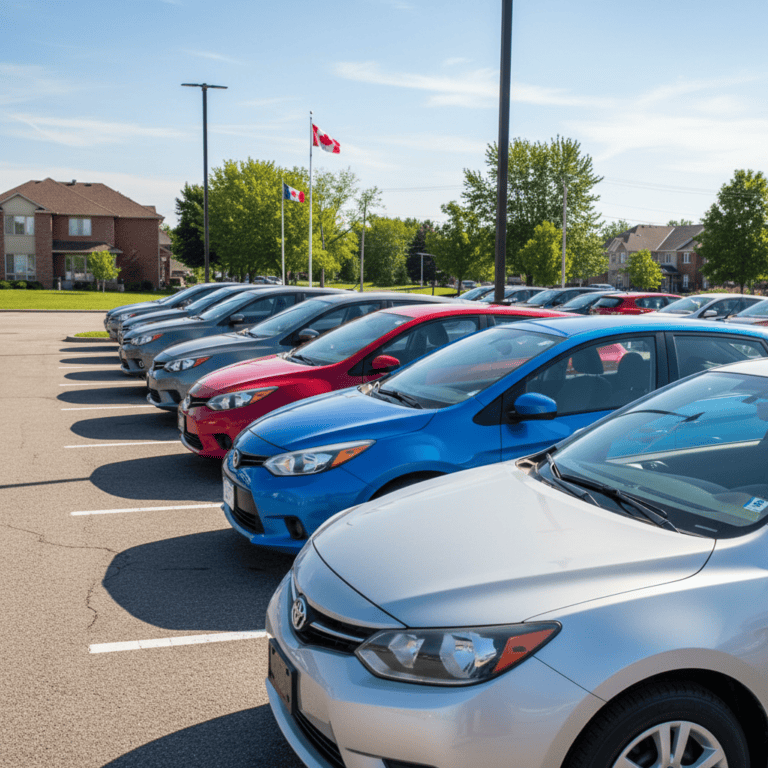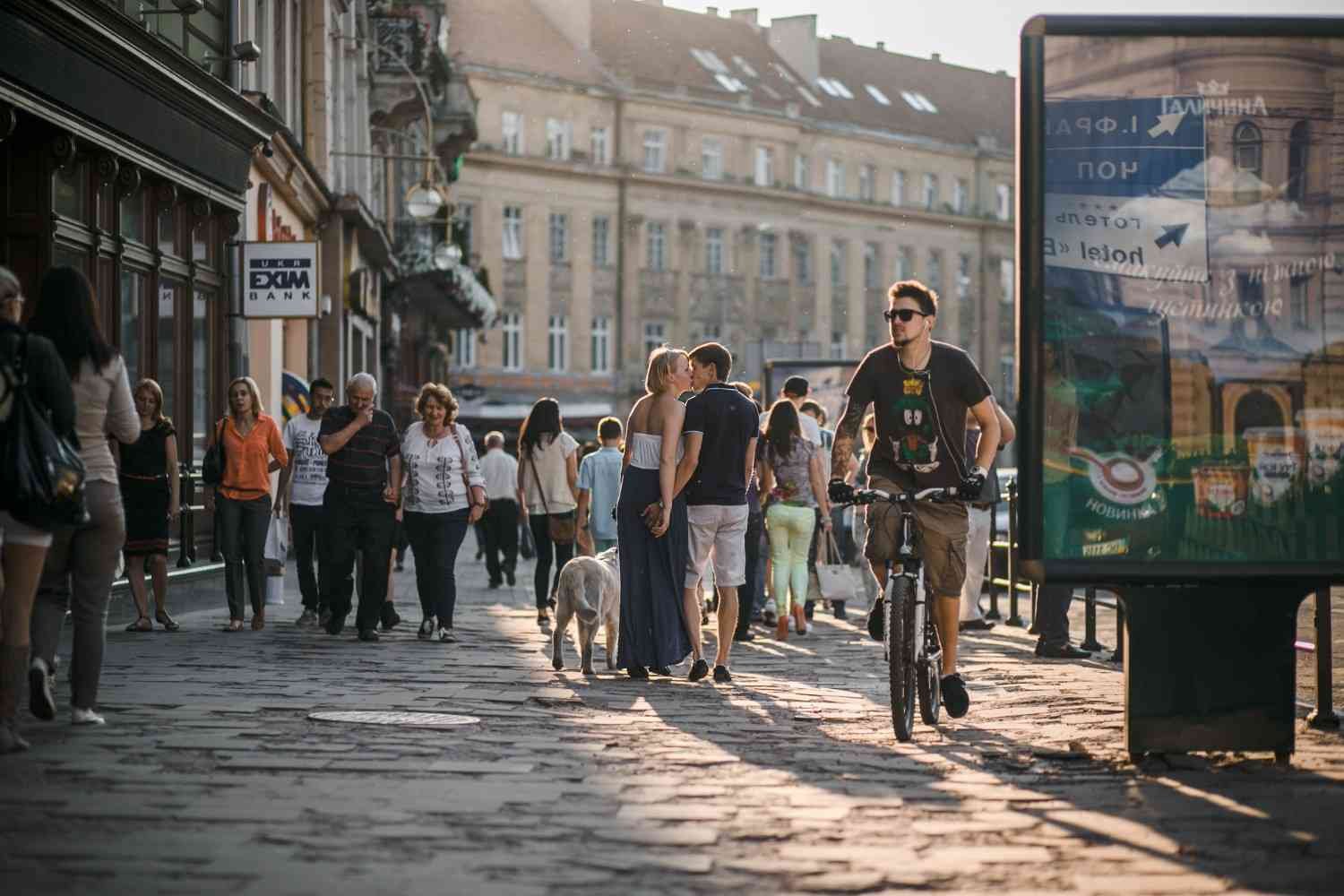
People enjoying everyday life and free activities in a major city without spending money.
Major cities are often associated with high costs, expensive attractions, and non-stop spending. Yet the reality is very different. Some of the most meaningful experiences in the world’s biggest cities are completely free. Public parks, historic streets, libraries, cultural spaces, and shared urban life make cities accessible to everyone, regardless of budget.
Major cities—often described as global cities—function as cultural, social, and economic hubs where public life plays a central role. These cities are designed around shared spaces and open access, allowing residents and visitors to participate fully in urban life without constant spending.
This guide explores free things to do in major cities, answers common questions about cost-free activities, and explains what is truly free in urban life.
Why Major Cities Offer So Many Free Experiences
Large cities are built around public access and shared spaces, a principle recognized by global institutions such as the United Nations, which emphasizes the importance of inclusive public spaces for social connection, well-being, and sustainable urban development. Parks, libraries, squares, and cultural spaces are not luxury features—they are essential parts of city life.
Because of this, cities naturally offer countless opportunities for people to gather, explore, learn, and relax without paying entrance fees.
What City Has the Most Free Attractions?
When discussing free attractions, New York City is often considered the global benchmark. Its extensive public parks, walkable neighborhoods, libraries, waterfronts, and cultural institutions make it one of the richest cities in the world for free experiences.
According to NYC’s official tourism resources, many of the city’s most iconic experiences—from public spaces to cultural landmarks—are accessible without an entrance fee.
Other major cities known for free attractions include:
Search more topics
Explore related answers and trending queries in seconds.
-
London, with free national museums
-
Paris, with historic streets, gardens, and landmarks
-
Berlin, with public memorials and open cultural spaces
-
Rome, where history exists in open-air environments
What these cities share is a strong tradition of preserving shared cultural heritage.
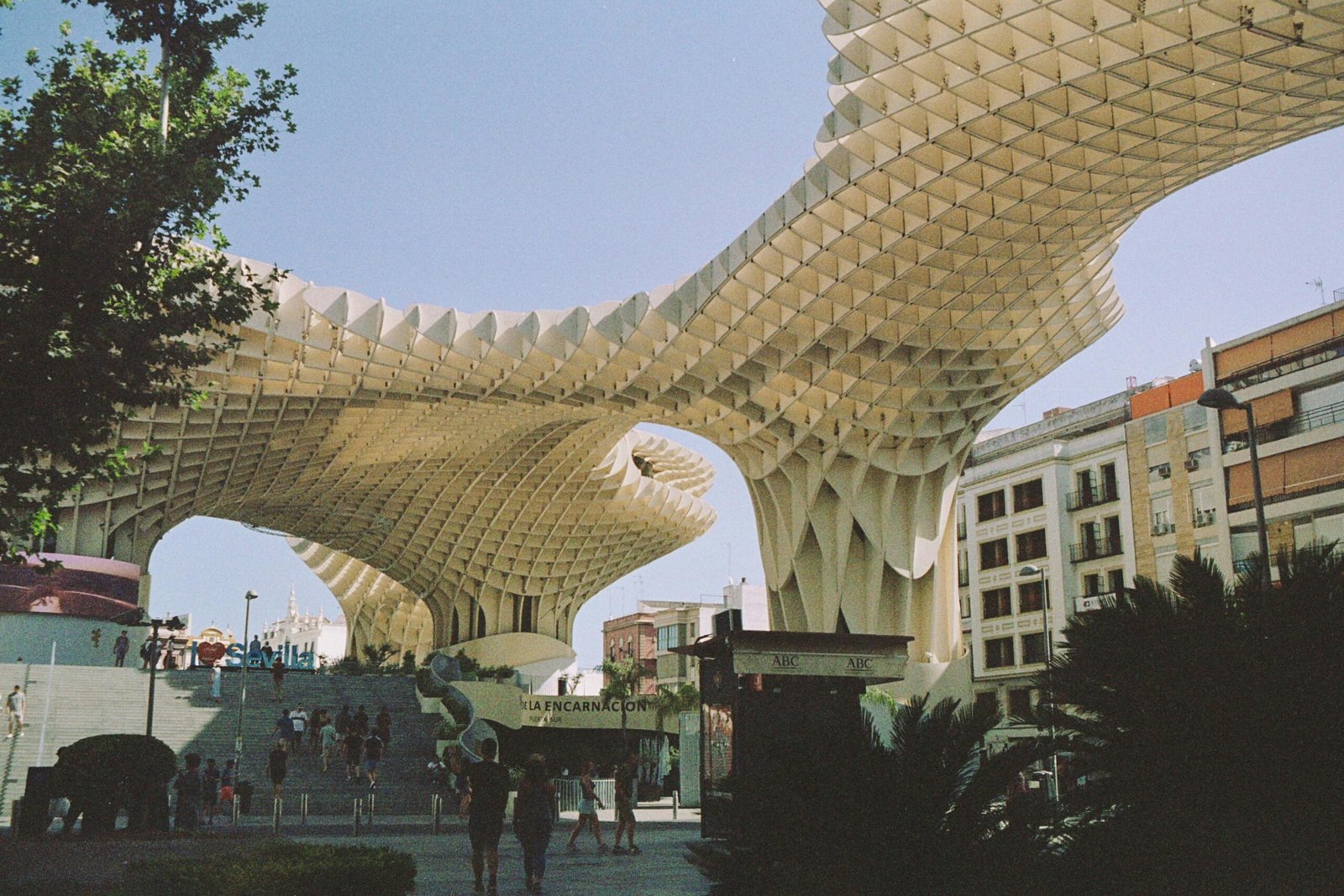
What Can You Do in a Big City Without Spending Money?
Big cities are designed for movement and discovery. Simply walking through a city unlocks experiences that no paid attraction can replicate.
Walk Through Neighborhoods
Neighborhoods reveal the true identity of a city. Architecture, local businesses, street art, and daily routines create a living experience that costs nothing but time.
Use Public Spaces
Public parks, squares, gardens, and waterfronts are central to city life. These areas are designed for rest, conversation, and observation, and often host free events or performances.
Visit Libraries and Cultural Centers
Public libraries in major cities often double as cultural institutions, offering exhibitions, learning spaces, and architectural beauty at no cost.
Cities like London demonstrate how free cultural access can be preserved long-term. Institutions such as the British Museum have offered free public entry for generations, reinforcing the idea that education and culture should remain accessible to everyone.
What Is Fun That Doesn’t Cost Money?
Fun does not depend on spending—it depends on engagement.
In major cities, free enjoyment often comes from:
-
Watching street performers and musicians
-
Visiting art galleries with open access
-
Attending public festivals or community events
-
Sitting in busy public squares and observing daily life
Urban environments naturally create entertainment through human interaction and creativity.
What Things Are Free in the World’s Cities?
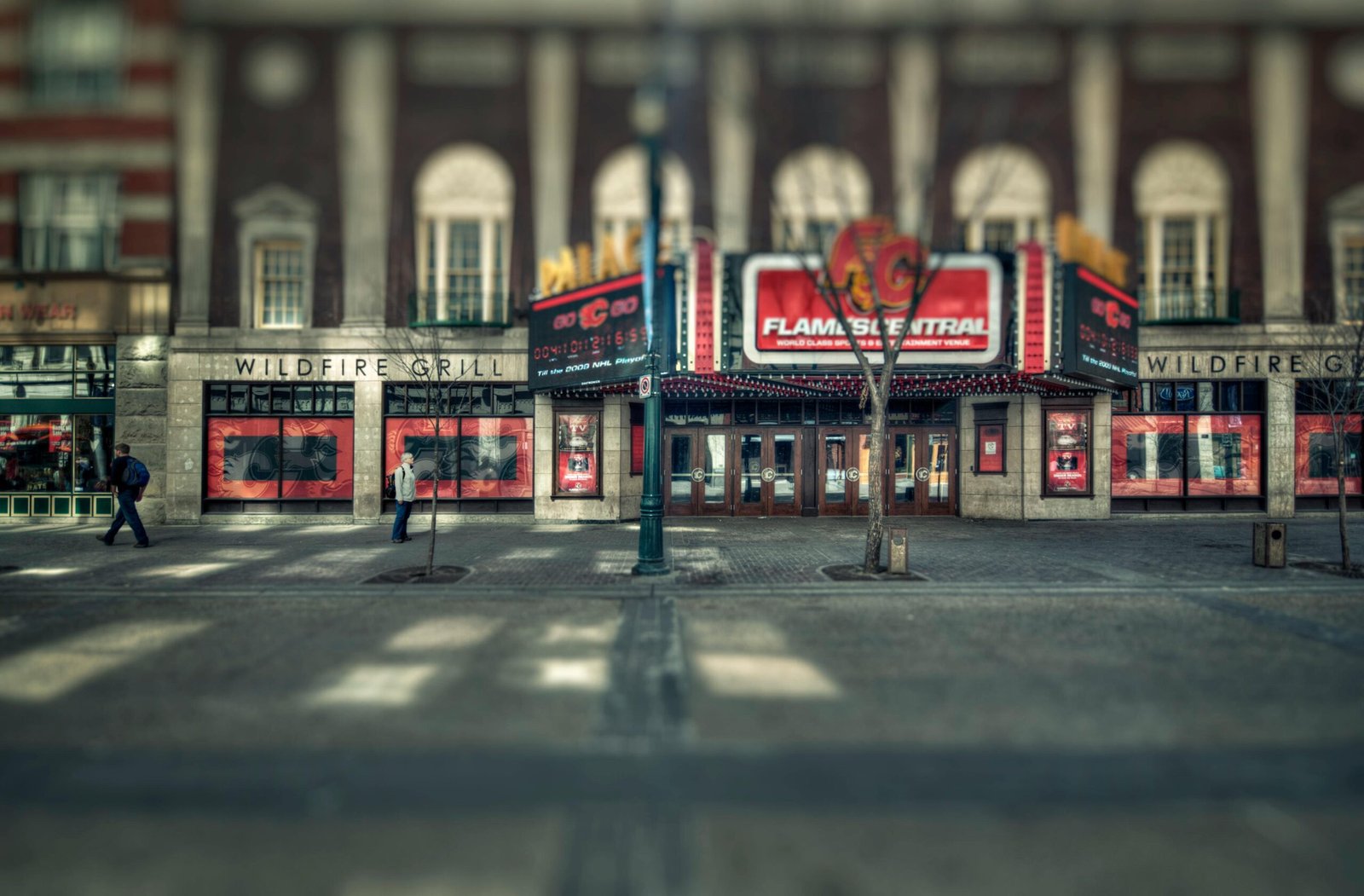
Across the world, cities protect experiences that remain universally free, including:
-
Walking historic streets and districts
-
Visiting religious or spiritual landmarks
-
Accessing public viewpoints and cityscapes
-
Experiencing architecture and urban design
-
Engaging with cultural diversity in shared spaces
These experiences exist because cities recognize their cultural and social value.
What Can We Do Without Money in Cities?
Living or spending time in a city without money is not about restriction—it is about awareness.
People can still:
-
Walk and explore neighborhoods
-
Spend time in parks and public spaces
-
Use libraries for reading and learning
-
Attend free talks, events, and exhibitions
-
Observe and participate in public life
Cities function as open classrooms where learning happens continuously.
What Is Truly Free in Life—and Why Cities Reflect It

The idea of “truly free” goes beyond activities.
In cities, what remains free includes:
-
Time spent wandering without purpose
-
Human connection and conversation
-
Curiosity and observation
-
Belonging to shared spaces
Major cities amplify these experiences by bringing people together and encouraging interaction in public environments.
Why Free Experiences Matter More in Major Cities
Large cities face rising costs, inequality, and social pressure. Free public experiences help balance these challenges.
Research from the OECD shows that access to public spaces plays a major role in quality of life, contributing to mental health, social cohesion, and long-term urban livability.
Free attractions are not just budget-friendly—they are essential for healthy, inclusive cities.
Free Things to Do in Major Cities Around the World
Although every city is unique, free experiences tend to follow similar patterns:
-
Public parks and gardens
-
Historic landmarks and monuments
-
Free museums or museum days
-
Libraries and cultural centers
-
Neighborhood exploration
-
Street culture and public events
These shared elements prove that urban life is meant to be accessible.
How to Experience Any Major City for Free
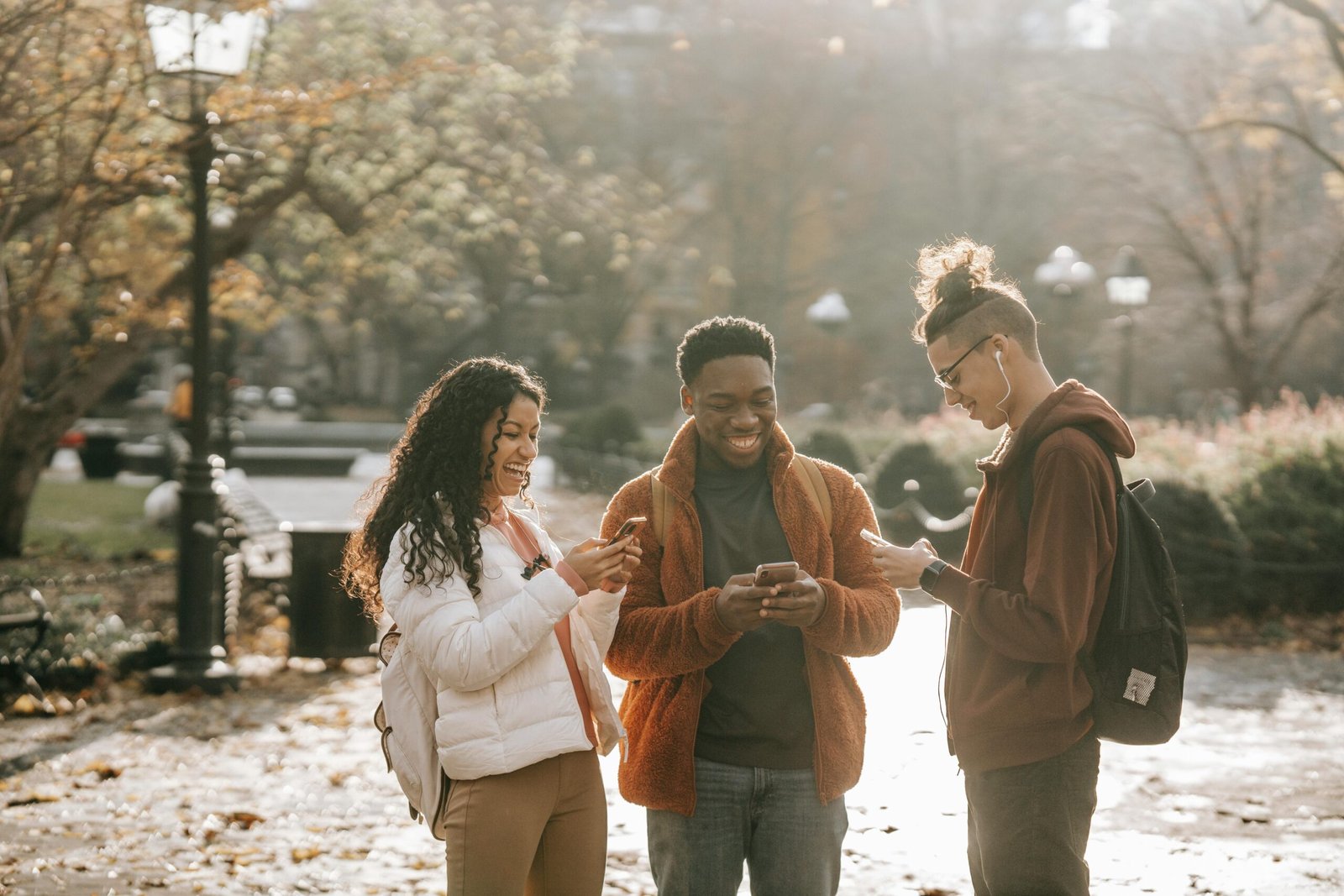
To enjoy free things in any major city:
-
Start with public spaces
-
Walk instead of rushing
-
Visit libraries and cultural institutions
-
Follow local event calendars
-
Explore neighborhoods beyond tourist zones
This approach leads to deeper understanding and more authentic experiences.
Free Things to Do in Major Cities: A New Way to Travel
Major cities do not belong only to those who can afford luxury. They belong to everyone who walks their streets, sits in their parks, and participates in public life.
Focusing on free experiences changes how people travel and live. It shifts attention from spending to connecting, from consuming to observing.
In many cases, the most valuable moments in cities are the ones that cost nothing at all.
About The Author

Search Anything
Search any topic — insurance, loans, travel, technology, health, and more.