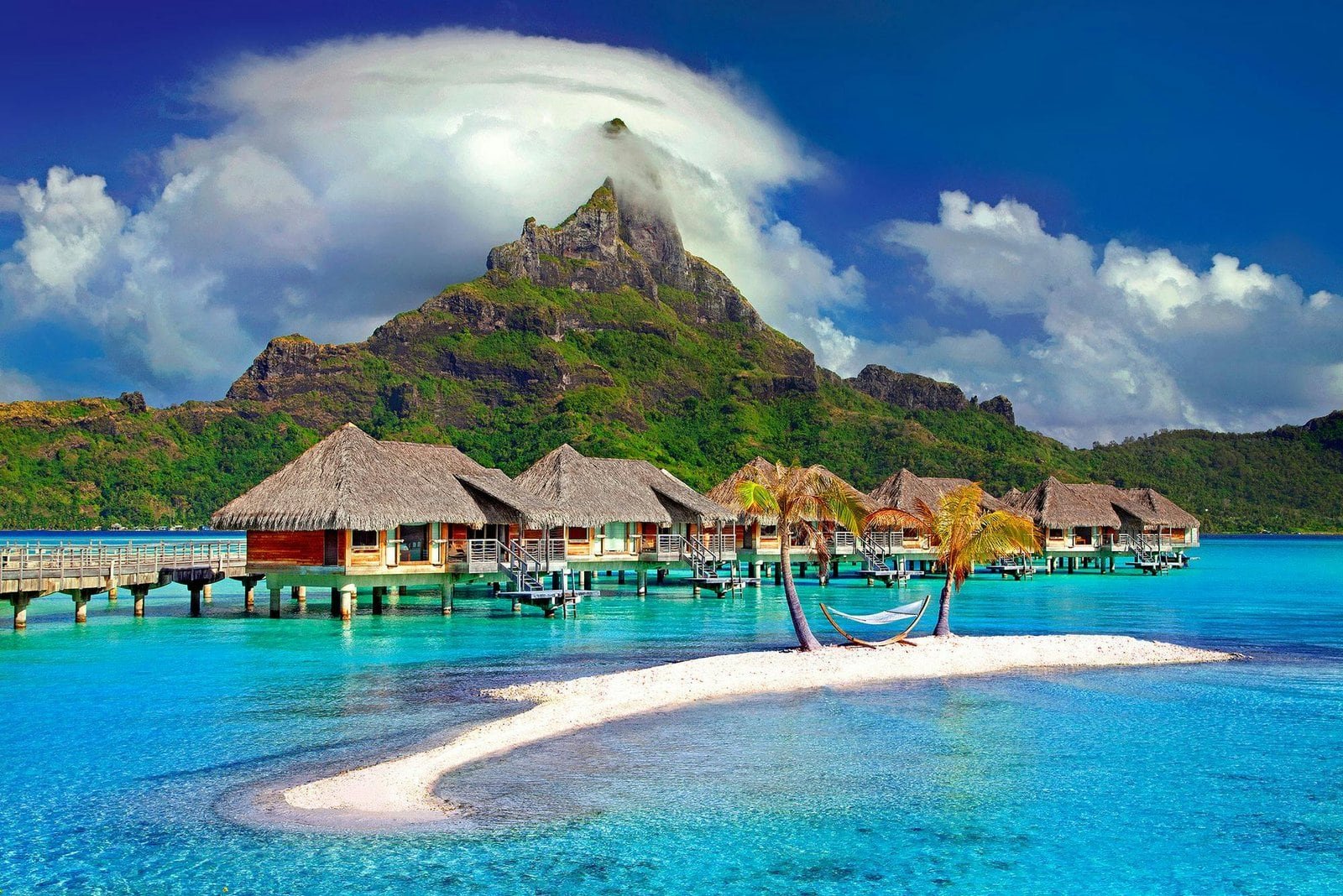
Bora Bora is often described as a dream destination—turquoise lagoons, overwater bungalows, coral reefs, and dramatic volcanic peaks rising from the sea. Located in French Polynesia, this small island attracts travelers seeking both relaxation and adventure.
However, choosing the best time to travel to Bora Bora can make a significant difference in your overall experience. Weather conditions, prices, activities, and crowd levels all vary throughout the year.
This educational guide by SD Information explains Bora Bora’s seasons in detail, helping you decide when to go based on your travel goals, budget, and expectations.
Understanding Bora Bora’s Climate
Bora Bora has a tropical climate, meaning warm temperatures year-round. However, the year is divided into two main seasons:
-
Dry Season (May to October)
-
Wet Season (November to April)
While temperatures remain relatively stable, rainfall, humidity, and ocean conditions change depending on the time of year.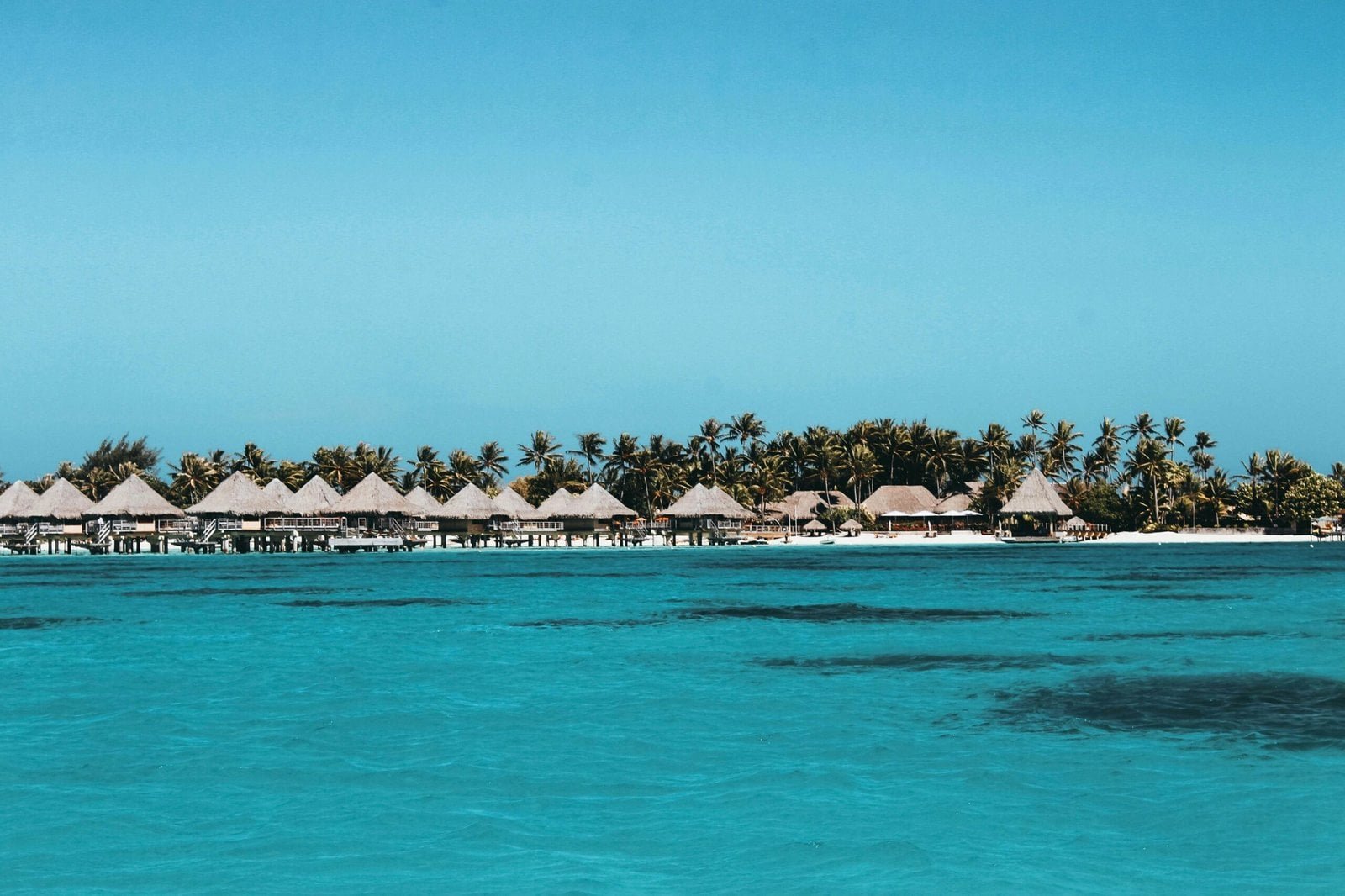
Dry Season: May to October (Best Overall Time)
The dry season is widely considered the best time to travel to Bora Bora, especially for first-time visitors.
Search more topics
Explore related answers and trending queries in seconds.
Weather Conditions
-
Daytime temperatures: 24°C–28°C (75°F–82°F)
-
Low humidity
-
Minimal rainfall
-
Cooler evenings
The sunshine is consistent, and trade winds keep the air fresh and pleasant.
Why This Is the Best Time
-
Ideal for snorkeling and scuba diving
-
Calm lagoon conditions
-
Excellent visibility for marine life
-
Comfortable outdoor temperatures
Downsides
-
Higher prices for flights and accommodation
-
Popular resorts book quickly
-
More visitors compared to the wet season
If budget is not your main concern and you want perfect tropical weather, June, July, and September are especially popular months.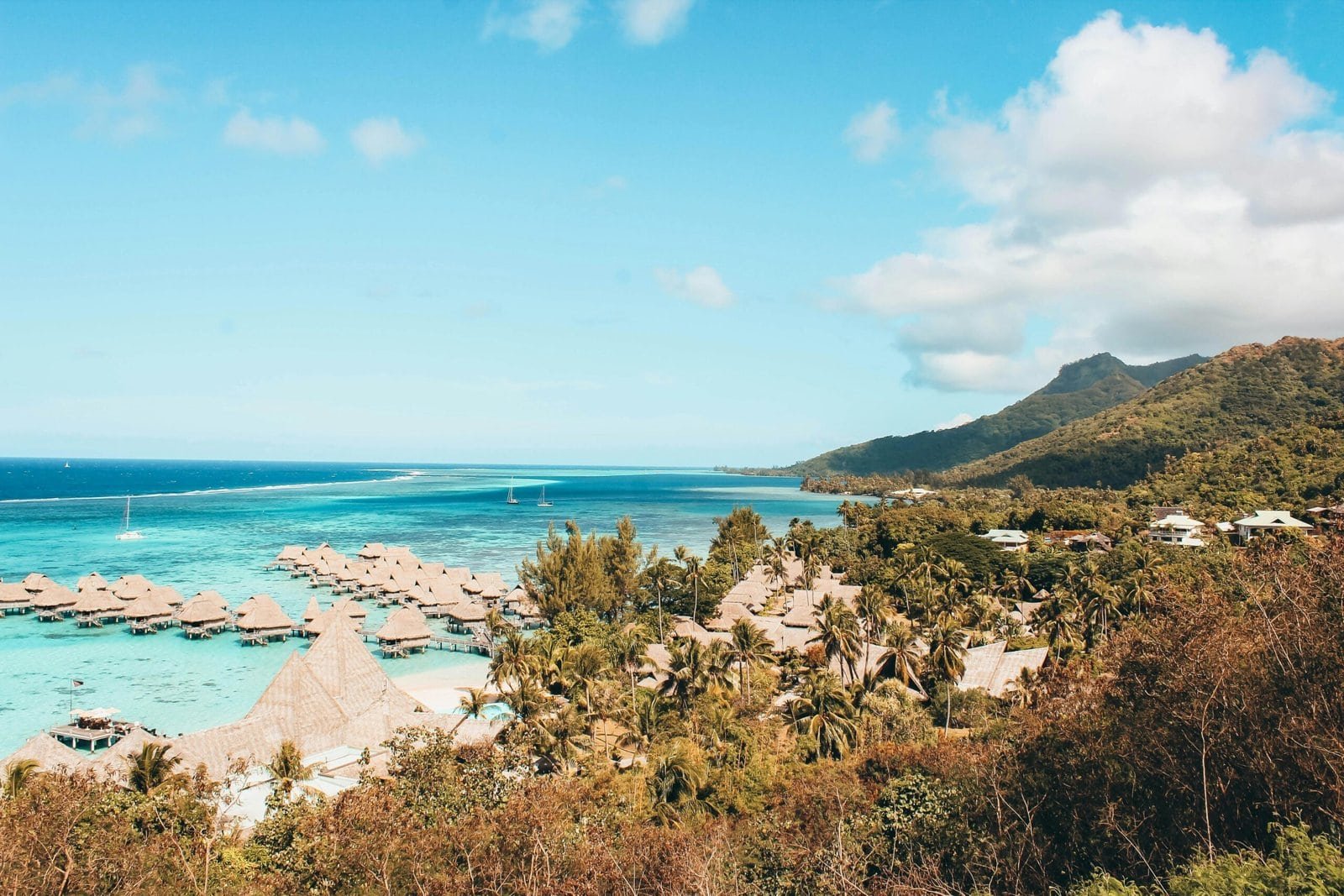
Shoulder Months: April and November (Best Balance)
April and November sit between the wet and dry seasons. These months are often overlooked but offer a strong balance of good weather and fewer crowds.
Advantages
-
Lower prices than peak season
-
Less crowded resorts
-
Warm ocean temperatures
-
Brief rain showers rather than all-day rain
Ideal For
-
Honeymooners seeking privacy
-
Travelers looking for value
-
Photography and lagoon activities
April is particularly attractive as the rainy season fades while weather remains warm.
Wet Season: December to March (Budget-Friendly Option)
The wet season, sometimes called cyclone season, brings higher humidity and more rainfall. However, this does not mean constant rain.
Weather Conditions
-
Temperatures: 27°C–30°C (80°F–86°F)
-
Higher humidity
-
Short, intense rain showers
-
Occasional thunderstorms
Pros of Visiting During Wet Season
-
Significantly lower hotel prices
-
Fewer tourists
-
Lush, green landscapes
-
Excellent marine life activity
Cons
-
Risk of tropical storms (low but possible)
-
Less predictable weather
-
Higher humidity
For experienced travelers or those prioritizing affordability over perfect weather, January and February can still be enjoyable.
Monthly Breakdown: Bora Bora Weather by Month
January – February
Warm and humid with occasional storms. Best for budget travelers who don’t mind rain.
March
Rainfall begins to decrease. A transition month with improving conditions.
April
One of the best value months. Good weather, fewer crowds, and moderate prices.
May
Start of the dry season. Excellent overall conditions.
June – August
Peak travel months. Cooler nights, clear skies, and strong trade winds.
September
Still dry and warm, with slightly fewer tourists than August.
October
End of dry season. Very pleasant weather and calmer crowds.
November
Transitional month. Good deals and manageable rain.
December
Festive season with higher prices and occasional heavy rainfall.
Best Time for Specific Activities
Snorkeling & Diving
-
June to October: Best visibility and calmer lagoon
-
Warm water year-round, wetsuits rarely needed
Honeymoons
-
April, May, September
-
Romantic atmosphere without peak prices
Whale Watching
-
August to October
-
Humpback whales migrate near French Polynesia
Budget Travel
-
January to March, excluding holiday weeks
-
Best chances for resort discounts
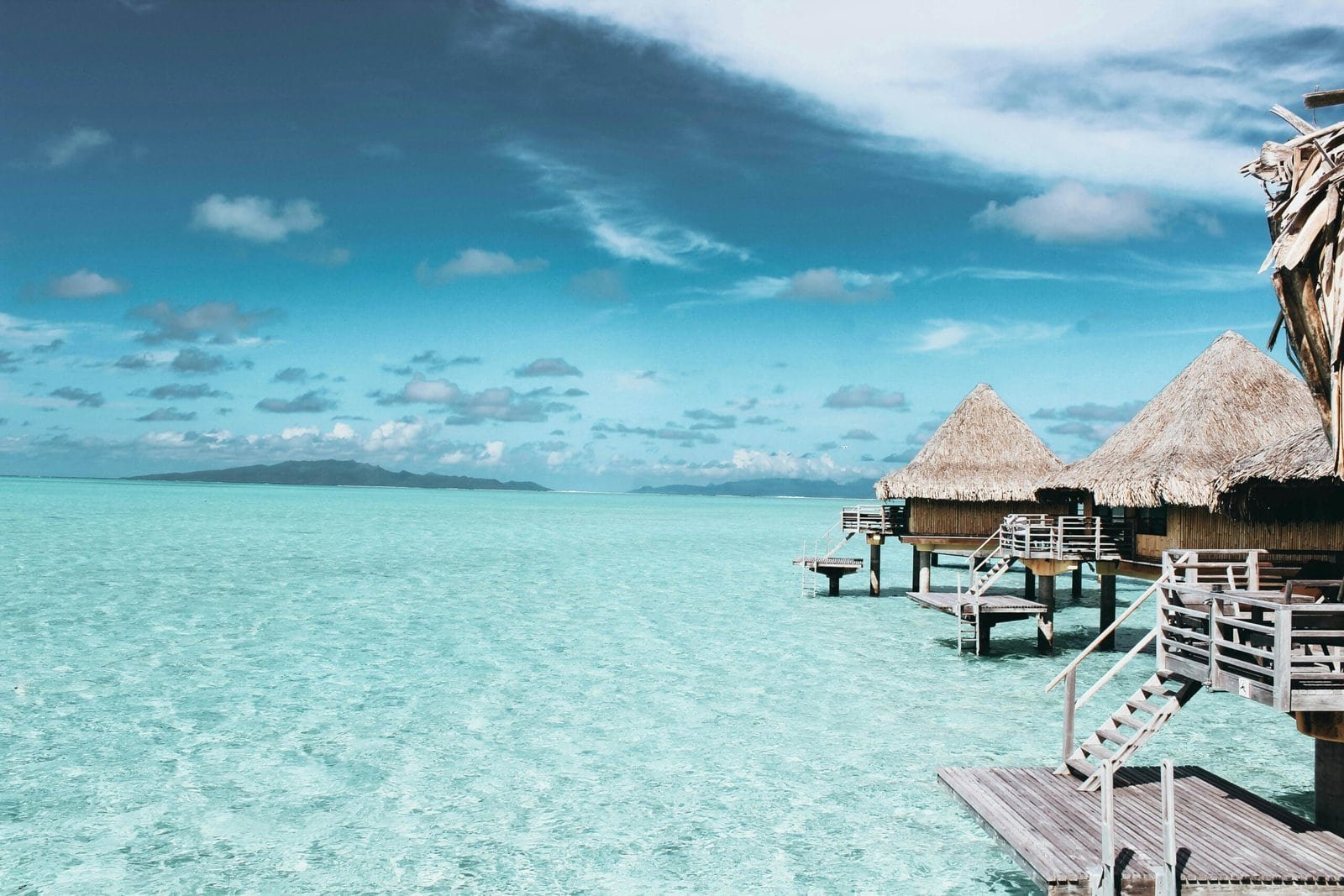
Ocean Temperatures and Lagoon Conditions
The lagoon temperature remains between 26°C–29°C (79°F–84°F) throughout the year. Even during wet months, swimming and water sports remain comfortable.
Trade winds during dry season help keep water surfaces smooth and visibility high.
Cultural Events and Festivals
-
July: Heiva i Tahiti – Traditional dancing and music
-
December–January: Holiday celebrations and New Year events
-
Local village festivals vary by year
Festivals can enhance your visit but may increase accommodation prices.
When You Should Avoid Traveling
If you are sensitive to:
-
High humidity
-
Sudden rain showers
-
Crowded resorts
then January–February and late December may not be ideal.
However, even during these periods, Bora Bora still offers warm waters and natural beauty.
Final Recommendation
Best Overall Time: May to October
Best Value: April and November
Best for Budget: January to March
Best for Romance: April, September
The best time to travel to Bora Bora depends on what matters most to you—weather, price, privacy, or activities. With proper planning, Bora Bora is rewarding in every season.
Suggested paragraph
If you enjoy planning memorable travel experiences, you may also find these guides helpful:
Travel to Vusanje, Montenegro – A practical guide covering transport, accommodation, and what to expect when visiting this quiet mountain village.
Hiking in Prokletije National Park Near Vusanje – An in-depth overview of hiking routes, difficulty levels, and safety tips in one of Europe’s wildest mountain regions.
About The Author

Search Anything
Search any topic — insurance, loans, travel, technology, health, and more.