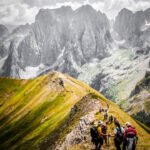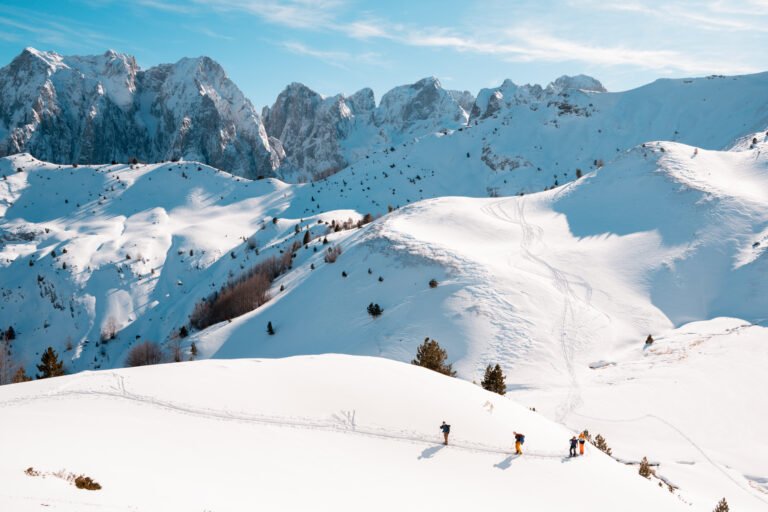
Tucked deep in the northern mountains of Montenegro, at the edge of the Prokletije range, lies Vusanje (also known as Vuthaj)—a village that feels untouched by time. For travelers seeking authenticity, dramatic nature, and a real connection to the Balkans, travel to Vusanje offers an experience that goes far beyond standard tourism.
Unlike Montenegro’s well-known coastal destinations, Vusanje remains quiet, natural, and deeply rooted in local tradition. Surrounded by towering limestone peaks, alpine meadows, rivers, and hiking trails, it has become one of the most rewarding destinations for travelers who value nature, culture, and slow travel.
This guide is designed as a main pillar page for anyone planning travel in Montenegro. It covers transport, movement around Montenegro and the Balkans, cost of living context, and why this region continues to attract international travelers.
Where Is Vusanje and Why It Matters
Vusanje is located near Gusinje and Plav, close to the Albanian border, within the wider area of Prokletije National Park. It is best known as the gateway to Grebaje Valley, one of the most scenic alpine valleys in Southeast Europe and a key access point for the Peaks of the Balkans hiking trail.
What makes Vusanje special is not only its landscape, but also its atmosphere. This is a place shaped by mountains, seasons, and hospitality rather than mass tourism. Life moves slowly, meals are homemade, and nature defines the rhythm of each day.
How Do I Get from Podgorica to Vusanje?
The journey from Podgorica, Montenegro’s capital, to Vusanje is part of the experience. While the distance is not long, the mountainous terrain means travel should be planned thoughtfully.
By Car – The Best and Most Flexible Option
Driving is the most convenient way to reach Vusanje.
Typical route: Podgorica → Andrijevica → Plav → Gusinje → Vusanje
Search more topics
Explore related answers and trending queries in seconds.
- Travel time: approximately 2.5–3 hours
- Roads are paved and scenic, especially in the north
- Ideal for travelers carrying hiking gear or traveling in groups
A rental car allows you to stop at viewpoints, lakes, and mountain villages along the way—an important advantage when exploring northern Montenegro.
Private Transfers and Local Taxis
Private transfers are widely used by:
- International tourists
- Hikers following the Peaks of the Balkans
- Visitors arriving from Podgorica Airport
This option removes navigation stress and offers local insight, especially valuable in rural areas like Vusanje.
Public Transport (Possible but Limited)
Public buses operate between Podgorica and Plav or Gusinje, but connections are infrequent. A taxi is usually required for the final stretch to Vusanje.
For travelers prioritizing time and comfort, public transport is not ideal.
What Is the Best Way to Travel Around Montenegro?
Montenegro is small but geographically intense. Coastal cities, deep canyons, lakes, and alpine villages all exist within short distances, yet transport options vary greatly by region.
- Vusanje
- Grebaje Valley
- Prokletije National Park
A car or private transfer is essential.
Buses work well along the coast and between major cities, but rural mountain travel is best handled independently.
What Is the Best Way to Travel Around the Balkans?
The Balkans reward travelers who prefer independence. While international buses exist, they rarely align with remote destinations like Vusanje.
- Rental cars for cross-border travel
- Organized or private transfers
- Regional routes connecting Montenegro, Albania, and Kosovo
Northern Montenegro connects naturally with places like Theth and Valbona, making Vusanje an excellent base for broader Balkan exploration.
Does Montenegro Have Good Public Transport?
Public transport in Montenegro functions well in urban and coastal areas, but coverage decreases significantly in the mountains.
- Cities like Podgorica, Budva, and Kotor are well-connected
- Trains operate only on limited routes
- Villages like Vusanje rely on private transport
For nature-focused travel, planning ahead ensures a smoother experience.
Is Vusanje One of the Prettiest Places in Montenegro?
When discussing the prettiest places in Montenegro, most lists highlight Kotor, Perast, or Žabljak. While these are undeniably beautiful, Vusanje offers something different.
- Raw, dramatic mountain scenery
- Minimal development
- Clean rivers and alpine air
- A sense of isolation and peace
For travelers drawn to landscapes rather than landmarks, Vusanje is among the most visually striking places in the country.
Is Montenegro a Rich or Poor Country?
Montenegro sits between developing and developed European economies. Tourism plays a central role, particularly along the coast. Northern regions like Plav, Gusinje, and Vusanje remain less commercially developed.
- Lower prices
- Authentic experiences
- Strong local hospitality
Despite economic differences, Montenegro offers a balance of safety, affordability, and quality of life.
Why Travel to Vusanje Now?
Vusanje is at a rare moment in time—known enough to be accessible, yet still untouched by mass tourism.
- Genuine village life
- Family-run guesthouses
- Quiet trails and landscapes
- Traditional food and customs
As sustainable tourism grows in Montenegro, Vusanje represents the future of low-impact, high-value travel in the Balkans.
About The Author

Search Anything
Search any topic — insurance, loans, travel, technology, health, and more.