Protecting a home isn’t just about locking the doors at night—it’s about safeguarding everything you’ve worked for. Homeowners insurance provides financial protection when unexpected events threaten your property, your belongings, or your peace of mind. Whether you’re a first-time buyer, a long-term homeowner, or someone comparing insurance carriers for a better policy, understanding how home insurance works helps you make the right decisions for your family and your finances.
This comprehensive guide breaks down what homeowners insurance actually covers, why it matters, and how to choose a policy that fits your needs without overpaying.
What Is Homeowners Insurance?
Homeowners insurance is a contract between you and an insurance carrier that protects your home, personal belongings, and liability exposure. If your house is damaged by a covered peril—such as fire, theft, windstorms, or vandalism—the policy helps pay for repairs or replacement. Most policies also include liability coverage, which protects you if someone gets injured on your property or you accidentally cause damage to someone else’s property.
Home insurance is more than a “nice to have”—for most people with a mortgage, it’s a requirement. Mortgage lenders want to ensure their investment is protected, so coverage is mandatory before closing on a home.
Why Homeowners Insurance Matters More Than You Think
A home is often the largest financial investment a person makes. Without insurance, a single event like a fire or a severe storm can lead to devastating financial loss. Homeowners insurance helps cover:
Dwelling repairs (the structure itself)
Personal property such as furniture, electronics, clothing, appliances
Liability costs if someone sues you due to injury
Additional living expenses if your home becomes uninhabitable
Detached structures including garages, sheds, and fences
Without coverage, you’re responsible for paying these costs out of pocket—something most homeowners simply can’t afford.
What Does Homeowners Insurance Cover?
While coverage varies depending on the type of policy, the most common plan in the United States is the HO-3 policy, which protects against a wide range of risks.
Typical Coverages Include:
1. Dwelling Coverage
Pays to repair or rebuild the home after damage from covered perils such as fire, windstorms, hail, or vandalism.
2. Personal Property Protection
Covers belongings inside the home—electronics, clothing, furniture, appliances. High-value items may require additional riders.
3. Liability Protection
Helps pay legal fees and settlements if someone gets injured on your property.
4. Additional Living Expenses (ALE)
Covers hotel stays, temporary rentals, and meals if you’re forced to live elsewhere during repairs.
5. Other Structures Coverage
Includes fences, sheds, garages, guest houses, and similar additions.
What Happens If You Don’t Have Homeowners Insurance?
Living without homeowners insurance exposes you to major financial risk. Without coverage:
You must pay full repair costs after a fire or storm.
You may lose your home entirely if the damage is severe.
You could face lawsuits without liability protection.
Mortgage lenders may place forced-placed insurance, which is extremely expensive and offers limited coverage.
A single incident—like a burst pipe or severe weather—can cost tens of thousands of dollars. With home insurance, the financial burden is significantly reduced.
What Are the Most Common Types of Homeowners Insurance?
In the U.S., policies fall into standardized forms:
HO-1 and HO-2 (Basic Policies) – Limited protection, cover only named perils.
HO-3 (Special Form) – Most popular, covers your home for all perils unless excluded.
HO-5 (Comprehensive Form) – High-end coverage with broader protections and higher limits.
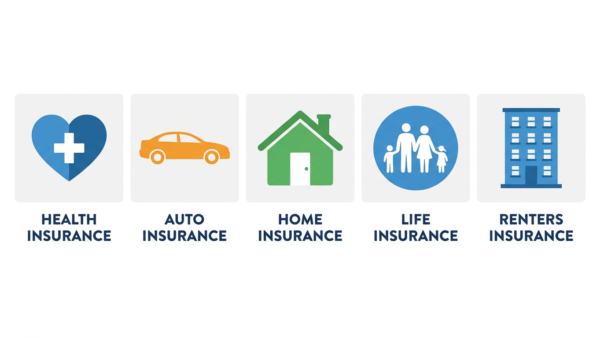
HO-6 (Condo Policies)
HO-4 (Renters Insurance)
HO-7 (Mobile Home Insurance)
The HO-3 and HO-5 policies are the most widely purchased because they protect against the biggest financial risks.
Is Everyone Required to Have Home Insurance?
It depends. If you have a mortgage, your lender requires it. If you own your property outright, insurance is technically optional—but going without it is extremely risky. Most financial advisors recommend maintaining coverage for both the structure and personal liability.
What’s the Most Important Part of Homeowners Insurance?
While every homeowner’s situation is different, experts generally agree that dwelling coverage and liability coverage are the two most critical components. These protect the structure of your home and your legal and financial responsibility for injuries or property damage.
Other essential elements include:
Adequate coverage limits
Replacement cost value rather than actual cash value
Reasonable deductibles
Coverage for regional risks (floods, earthquakes, hurricanes)
Choosing the Right Homeowners Insurance Policy
When comparing policies, evaluate:
Coverage limits for dwelling and personal property
Whether your policy provides replacement cost or actual cash value
Your deductible amount
Exclusions (floods, earthquakes, mold, wear and tear)
Insurance company financial strength and ratings
Discounts for bundling or home security upgrades
Getting multiple quotes from trusted homeowners insurance providers is the best way to secure a competitive rate.
Should You Use Homeowners Insurance for Small Claims?
Not always. Frequent small claims can raise your premiums or cause the insurer to drop you. Insurance works best for major losses, not minor repairs you can afford out of pocket.
About The Author