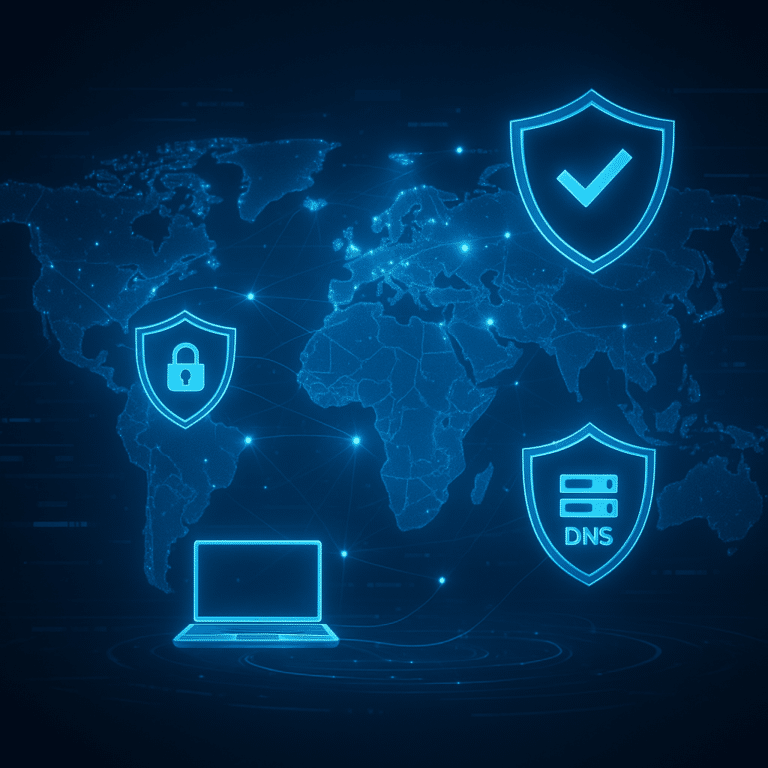
Cybersecurity, AI, and advanced computing define the foundation of future-ready technology systems in 2025.
Top tech trends 2025 the world of technology in 2025 is entering a more mature, results-driven phase. Innovation is no longer about experimentation alone — it is about scalability, resilience, intelligence, and real-world impact. Businesses, governments, and individuals are prioritizing technologies that solve problems efficiently, securely, and sustainably.
This article explores the top tech trends of 2025, explaining why they matter, how they’re being adopted across industries, and which technologies are shaping the global digital economy. Written for long-term relevance, this guide focuses on substance, clarity, and practical insight rather than hype.
Top tech trends in 2025: A Shift From Innovation to Infrastructure
The most important change in 2025 is how technology is perceived. Instead of being seen as tools, modern technologies now function as foundational infrastructure—embedded into business operations, public services, and everyday life.
Across industries, digital transformation is driven by:
-
Intelligent automation rather than manual coordination
-
Data-centric decision-making
-
Secure, decentralized systems
-
Real-time personalization
Search more topics
Explore related answers and trending queries in seconds.
-
Long-term sustainability
The following technology trends define this new phase.

Artificial Intelligence as the Core Digital Engine
Artificial Intelligence is the dominant technology trend of 2025, not because it is new, but because it has become operational at scale.
How AI Is Evolving in 2025
AI systems are now:
-
Embedded into enterprise software and cloud platforms
-
Capable of performing multi-step reasoning and task execution
-
Designed to work alongside humans as decision-support systems
-
Integrated across text, voice, images, and structured data
Generative AI, machine learning, and autonomous AI agents are widely used in healthcare diagnostics, financial modeling, marketing optimization, cybersecurity monitoring, and software development.
Rather than isolated automation, AI in 2025 functions as a permanent digital workforce, increasing productivity while reducing error rates and operational costs.
Automation and AI Agents Redefining Workflows
One of the most impactful trends is the rise of automation powered by AI agents. These systems can analyze inputs, execute decisions, and adapt to changing conditions without continuous human supervision.
In practice, this includes:
-
Intelligent customer support systems
-
Automated financial analysis and fraud detection
-
Workflow orchestration across departments
-
Predictive maintenance and supply-chain optimization
Businesses are adopting no-code and low-code platforms to deploy automation faster, enabling non-technical teams to build and manage complex digital processes.
Quantum Computing Moves Into Practical Research
Quantum computing represents the next frontier of computation, and 2025 marks a transition from theory to early-stage application.
Although not yet mainstream, quantum systems are being tested for:
-
Molecular modeling and drug discovery
-
Portfolio optimization in finance
-
Cryptographic research and post-quantum security
-
Complex logistics and routing problems
Cloud-based access to quantum processors allows organizations to experiment without owning specialized hardware, accelerating research and cross-industry collaboration.

Cybersecurity and Zero Trust Become Non-Negotiable
As digital systems become more connected and intelligent, cybersecurity is no longer optional. In 2025, security strategies shift away from perimeter defense toward Zero Trust Architecture.
Key cybersecurity trends include:
-
Continuous identity verification
-
AI-powered threat detection
-
Passwordless authentication using passkeys
-
Privacy-preserving data practices
Organizations increasingly prioritize data sovereignty, regulatory compliance, and real-time monitoring to protect against both external attacks and internal vulnerabilities.
Extended Reality Expands Beyond Entertainment
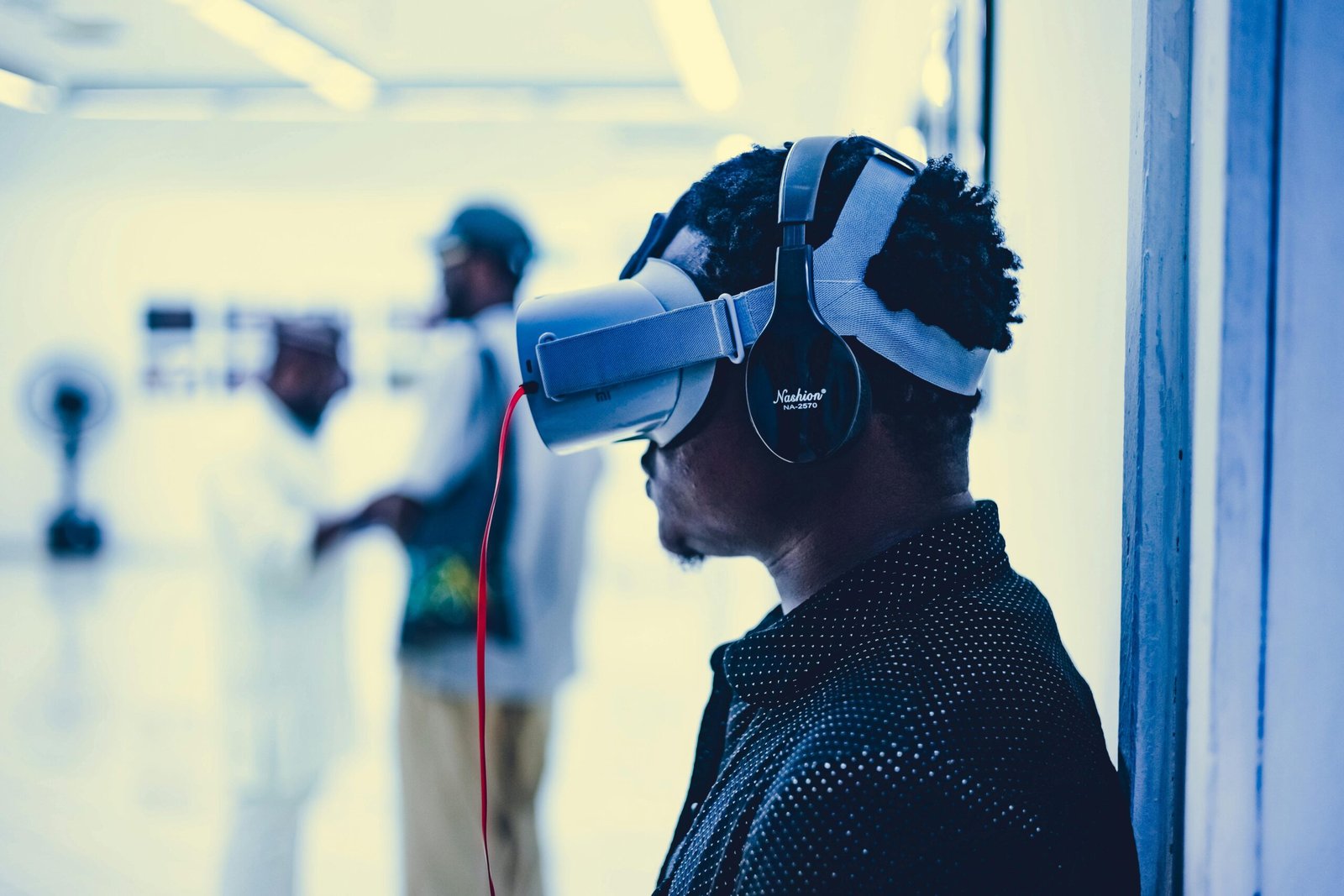
Extended Reality (XR)—which includes Augmented Reality (AR), Virtual Reality (VR), and Mixed Reality (MR)—is becoming a practical business and education tool.
In 2025, XR is widely used for:
-
Workforce training and simulation
-
Remote collaboration and virtual offices
-
Medical education and rehabilitation
-
Retail visualization and immersive commerce
Lightweight AR glasses and enterprise-grade VR platforms reduce hardware barriers, accelerating adoption in professional environments.
Cloud, Edge Computing, and Real-Time Data Processing
The cloud remains central in 2025, but it is no longer centralized alone. Edge computing plays a growing role by processing data closer to where it is generated.
This hybrid approach enables:
-
Lower latency for real-time applications
-
Improved reliability for connected devices
-
Better data governance and privacy control
Industries such as smart cities, manufacturing, transportation, and healthcare benefit from faster response times and enhanced system resilience.
Decentralized Technologies and Digital Trust
Decentralized infrastructure is gaining renewed relevance as data ownership and trust become strategic priorities.
Blockchain-based technologies support:
-
Secure identity management
-
Transparent transactions and auditing
-
Smart contracts for automation
-
Decentralized data storage
While public speculation has cooled, enterprise and government adoption continues, focusing on practical value rather than speculation.
Sustainable and Green Technology Takes Center Stage
Sustainability is now embedded directly into technology strategy. In 2025, environmental responsibility aligns closely with performance and cost efficiency.
Green technology trends include:
-
Energy-efficient AI models
-
Low-power data centers
-
Smart grid and renewable energy software
-
Carbon tracking and ESG compliance platforms
Companies that reduce energy consumption while maintaining performance gain both regulatory advantages and brand credibility.
Tech Market Outlook for 2025
The global tech market in 2025 is defined by selective growth rather than broad expansion. Investment flows into technologies with proven scalability and clear business use cases.
Market characteristics include:
-
Strong demand for AI and cybersecurity talent
-
Increased regulation around data and AI ethics
-
Consolidation of fragmented tech platforms
-
Focus on long-term digital resilience
Organizations that delay adoption risk operational inefficiencies and declining competitiveness.
The Four Emerging Technologies With Long-Term Impact
Among many innovations, four technologies stand out in 2025 for their long-term influence:
-
Artificial Intelligence and AI Agents
-
Quantum Computing
-
Extended Reality (XR)
-
Decentralized Digital Infrastructure
These technologies intersect across industries, shaping how systems are built, secured, and scaled for the future.
The Top Three IT Industry Trends in 2025
From an infrastructure perspective, the IT sector is driven by:
These trends define the modern digital backbone for enterprises and governments alike.
Preparing for the Future of Technology
Succeeding in 2025 is not about chasing trends blindly. It requires strategic adoption, workforce upskilling, and continuous evaluation of emerging tools.
Organizations and individuals that invest in:
-
AI literacy
-
Secure digital infrastructure
-
Automation and data intelligence
-
Sustainable technology
will be best positioned for long-term growth and resilience.
The top tech trends of 2025 reveal a clear direction: technology is becoming smarter, more secure, more efficient, and more responsible. Those who understand and apply these shifts early will shape the next decade of digital progress.
About The Author

Search Anything
Search any topic — insurance, loans, travel, technology, health, and more.