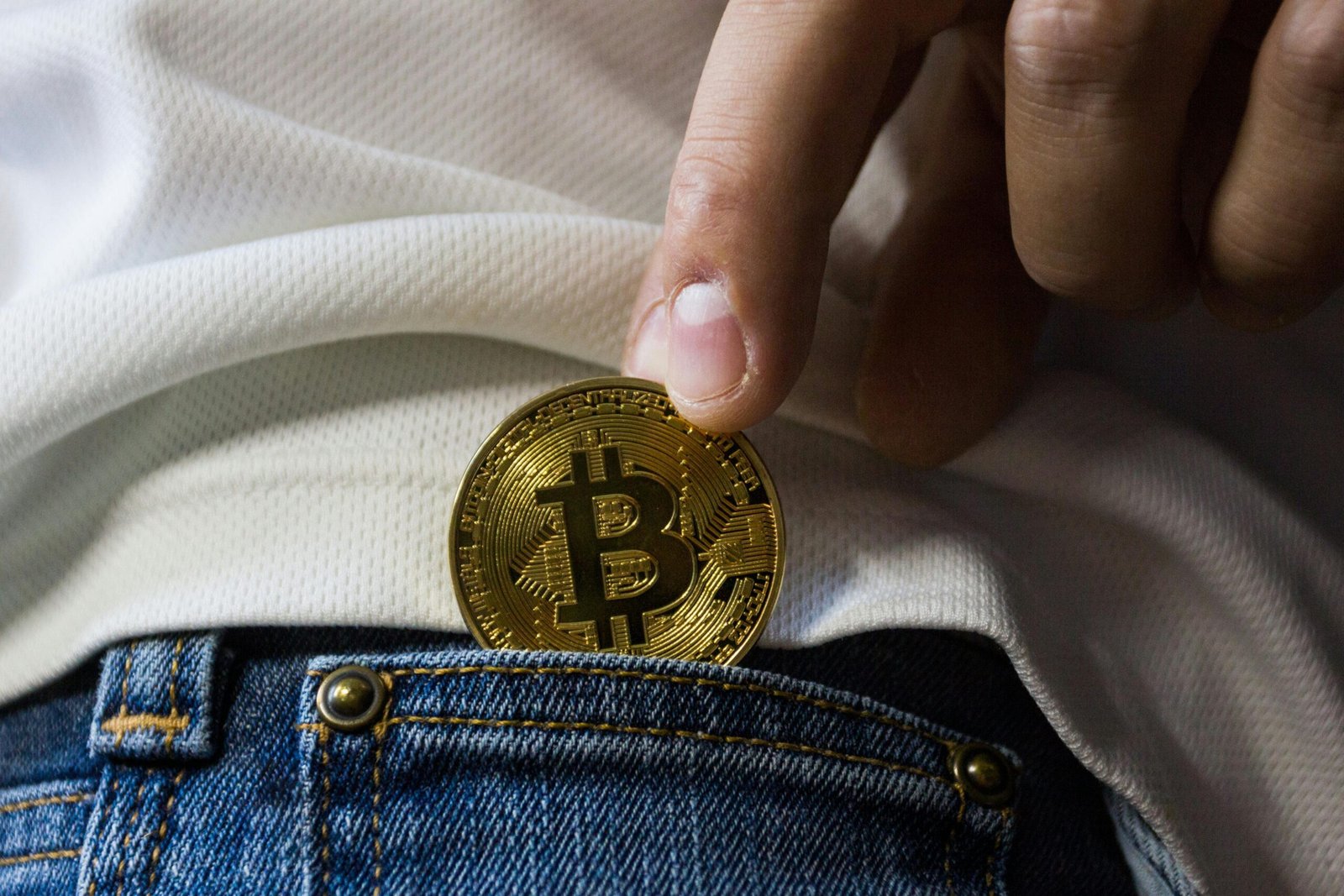
Bitcoin has become a widely recognized asset for long-term digital wealth and financial independence.
Bitcoin has progressed far beyond its origins as an experimental digital currency. Today, it stands as a globally recognized store of value, a hedge against inflation, a liquid investment asset, and a cornerstone of the modern digital economy. With institutional giants accumulating Bitcoin, regulatory frameworks evolving, and technological infrastructure improving, the conversation has shifted from “Is Bitcoin real?” to “How far can Bitcoin go in the future?”
This comprehensive guide explores Bitcoin’s long-term potential, expert price forecasts, adoption trends, historical insights, and what the next decade may hold for the world’s most influential cryptocurrency.
Does Bitcoin Have a Future?
Yes—Bitcoin’s future remains strong, largely because of its decentralized blockchain, fixed supply, global network security, and expanding role in institutional finance. Unlike traditional currencies, Bitcoin cannot be printed or inflated. Its capped supply of 21 million BTC is one of the strongest value propositions in modern finance.
Key Drivers of Bitcoin’s Long-Term Future
-
Institutional adoption from BlackRock, Fidelity, Tesla, and MicroStrategy
-
Approval and growth of Bitcoin ETFs
-
Halving cycles that reduce new supply every four years
-
Growing use of Bitcoin as digital gold
-
Increased regulatory clarity in major markets
Search more topics
Explore related answers and trending queries in seconds.
-
Rising global demand for non-inflationary assets
-
Expanding blockchain infrastructure and node distribution
These entities combined provide a foundation that positions Bitcoin not only as a speculative asset but as a long-term instrument in the global financial system.
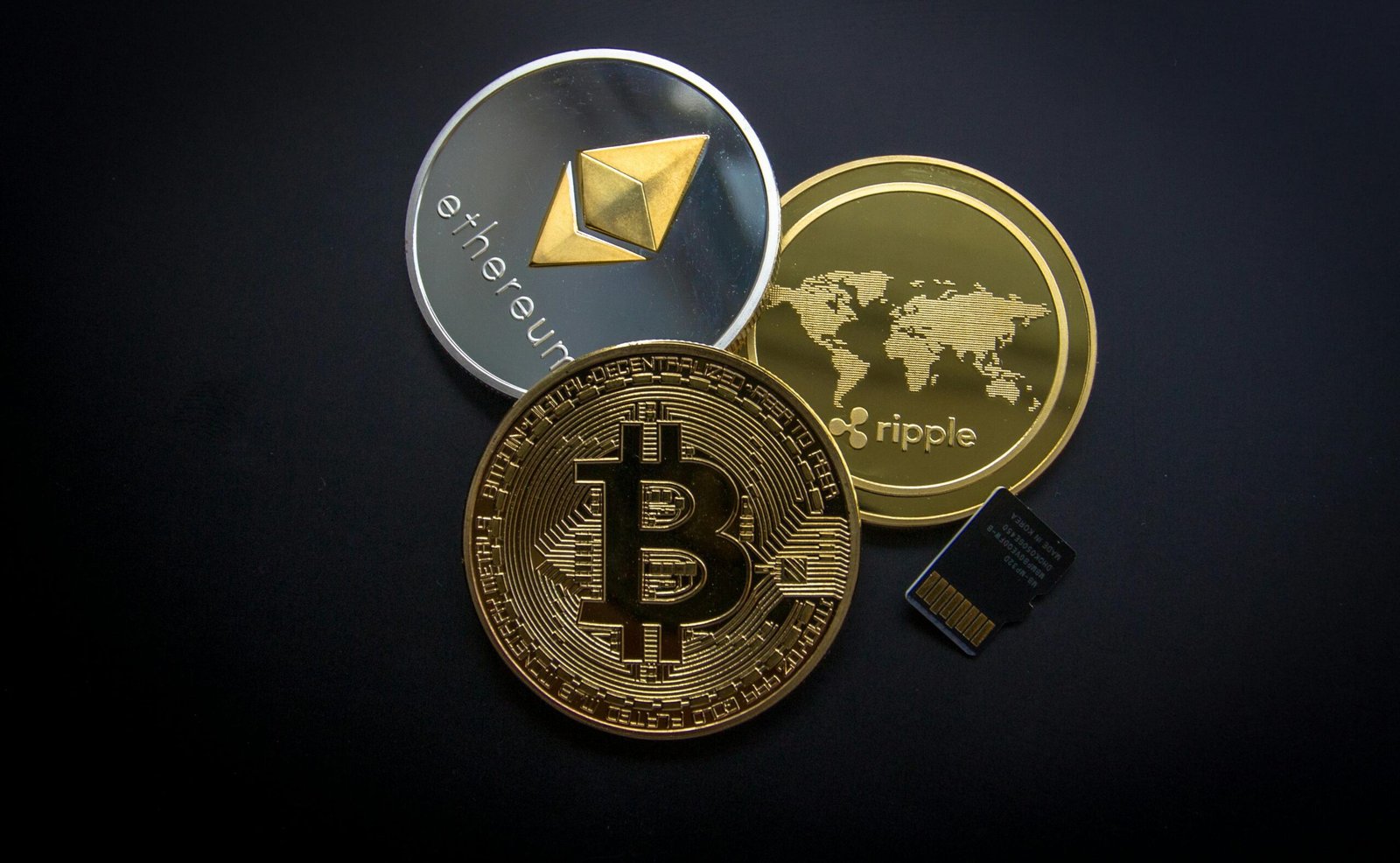
What Will Bitcoin Be Worth in 2025?
Bitcoin price forecasts for 2025 largely revolve around the impact of the 2024 halving, which historically precedes major bull cycles. Analysts expect supply shock and institutional demand to play significant roles.
2025 Bitcoin Price Predictions
-
Base Case: $80,000 – $120,000
-
Strong Market Scenario: $150,000 – $250,000
-
Institutional High-End Estimates: $250,000 – $350,000
Entities influencing these predictions include:
ETF inflows, Bitcoin mining economics, halving supply constraints, interest rate environment, and global market liquidity.
What Will Bitcoin Be Worth in 2030?
Long-term projections for Bitcoin are far more aggressive, reflecting the expected maturity of the asset and its increasing integration into institutional portfolios.
2030 Forecasts from Major Analysts
-
Ark Invest (Cathie Wood): $1 million+
-
Standard Chartered: ~$500,000
-
Crypto market analysts: $250,000 – $750,000
Why 2030 Could Be Transformational
-
Bitcoin becomes widely recognized as a digital reserve asset
-
Mining rewards decline as halving cycles continue
-
Institutional holdings expand
-
Transaction fees become the primary miner incentive
-
More countries adopt Bitcoin-friendly regulations
If these trends continue, Bitcoin could enter a phase where it competes with gold as a global store of wealth.
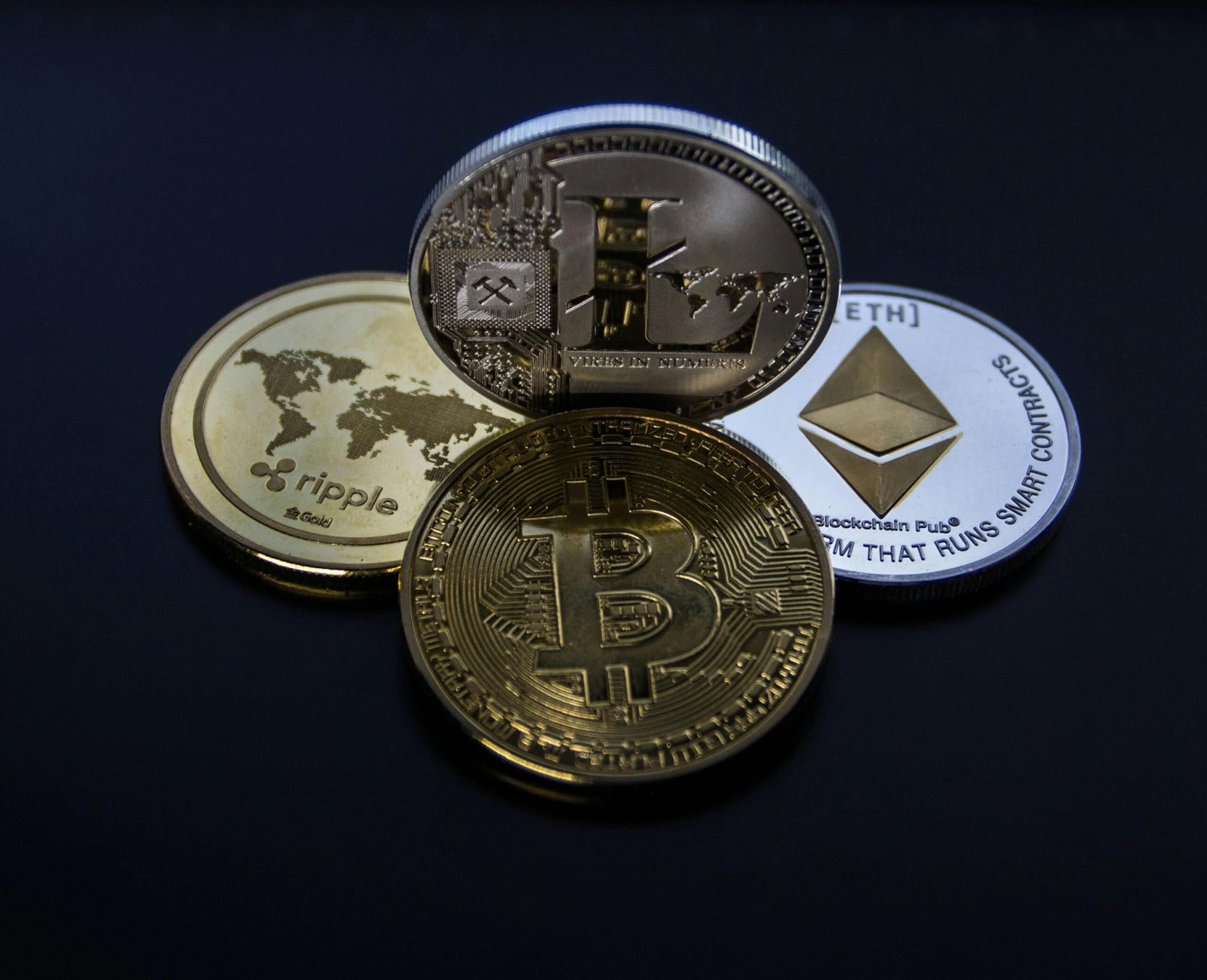
Is Bitcoin Safe for the Future?
Bitcoin’s network security remains one of the strongest in the world. Its Proof-of-Work mechanism relies on thousands of miners across the globe, making the blockchain resilient against attacks.
Why Bitcoin Is Considered Safe Long-Term
-
Highly decentralized network
-
Strong cryptographic protection
-
Global miner and node distribution
-
Transparent blockchain ledger
-
15+ years of secure operation
From an investment standpoint, Bitcoin is still a high-volatility asset, but its long-term trajectory has been overwhelmingly positive.
Will Bitcoin Exist Forever?
While no technology can be guaranteed to last forever, Bitcoin is structured to operate indefinitely. Even after all BTC is mined around 2140, miners will continue to secure the network through transaction fees. As long as people run nodes, miners validate blocks, and the ledger maintains consensus, Bitcoin will endure.
There is no central authority capable of shutting it down, making the network uniquely resistant to failure.
Will Bitcoin Ever Go to Zero?
A complete collapse to zero is highly unlikely due to:
-
Enormous institutional investment
-
Widespread global adoption
-
Billion-dollar liquidity across exchanges
-
Scarcity and deflationary design
-
Strength of the decentralized protocol
-
Role as a global digital asset
For Bitcoin to reach zero, the entire blockchain infrastructure would need to disappear—an event unsupported by any realistic economic or technological scenario.
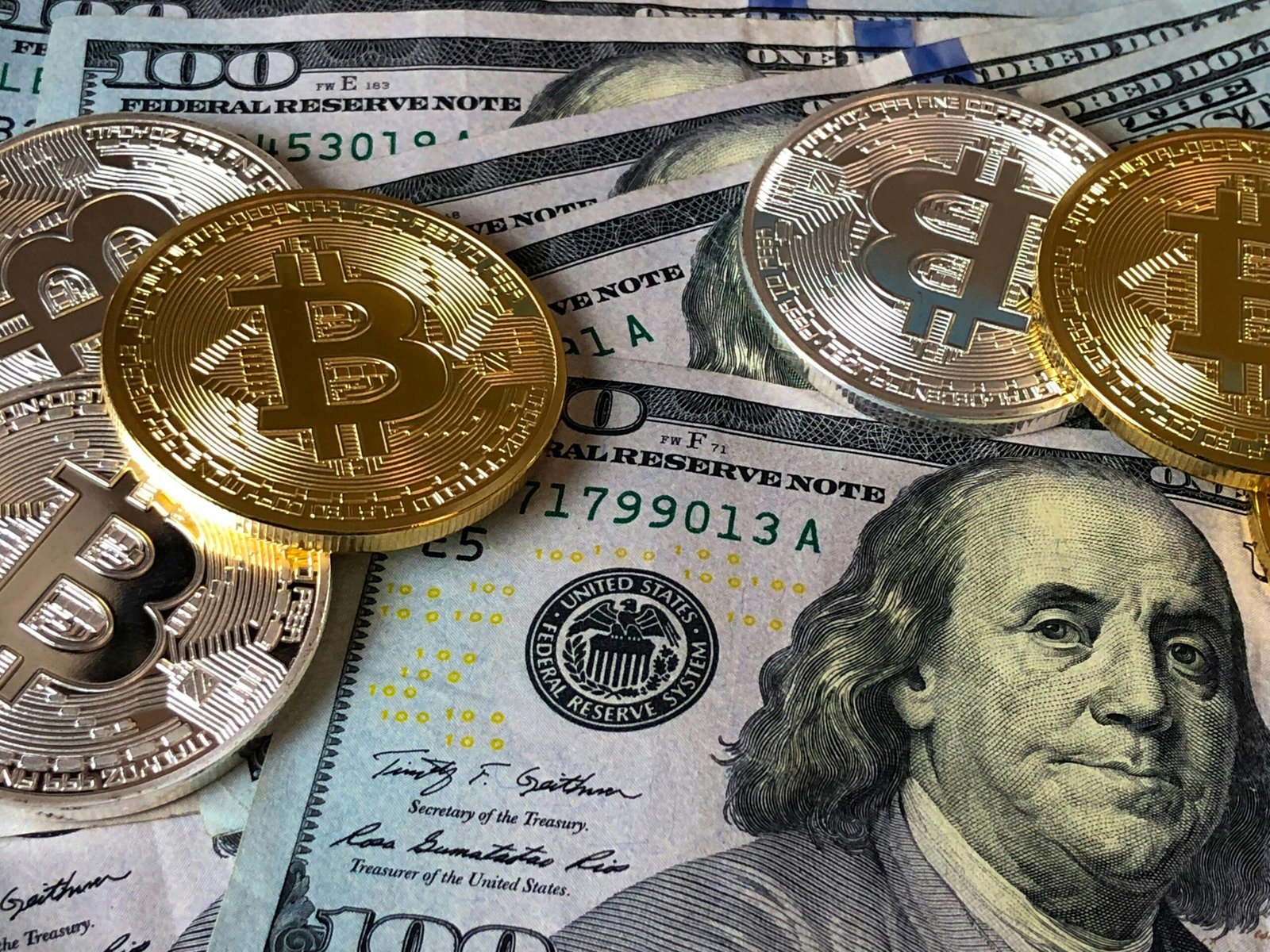
Who Owns Most of the Bitcoin Supply?
Bitcoin ownership is often misunderstood. While some entities hold large amounts, ownership is more distributed than many assume.
Major Bitcoin Holders
-
Exchanges: Binance, Coinbase, Kraken (holding BTC on behalf of millions)
-
Public companies: MicroStrategy, Tesla
-
ETFs and institutional trusts
-
Early miners and long-term holders
-
Satoshi Nakamoto with approximately 1 million BTC
No individual or group controls 90% of Bitcoin. The network remains decentralized, with millions of wallets worldwide.
Bitcoin Pizza Day: Who Sold 10,000 BTC for Two Pizzas?
In 2010, Laszlo Hanyecz made history by trading 10,000 BTC for two Papa John’s pizzas—the first recorded real-world Bitcoin transaction. At Bitcoin’s peak prices, those 10,000 BTC would have been worth more than $600 million.
This event is celebrated globally every year as Bitcoin Pizza Day.
What If You Invested $1,000 in Bitcoin 5 Years Ago?
Five years ago, Bitcoin traded around $9,000.
-
$1,000 would have purchased roughly 0.11 BTC
-
At a price of $60,000/BTC, that same investment would be worth:
≈ $6,600
This represents a 560%+ return, showing how powerful long-term holding can be in the Bitcoin ecosystem.
Why Bitcoin Has Strong Long-Term Potential
Bitcoin’s future strength lies in a combination of economic, technological, and regulatory factors:
1. Fixed Supply
Its scarcity mirrors that of precious metals, giving Bitcoin intrinsic long-term value.
2. Institutional Integration
ETFs, corporate treasuries, and hedge funds now treat Bitcoin as a core asset.
3. Global Adoption
More individuals and countries recognize Bitcoin as a digital alternative to cash or gold.
4. Blockchain Reliability
Bitcoin’s protocol has proven secure and resilient for over a decade.
5. Halving Mechanism
Reduced supply issuance enhances long-term price appreciation.
6. Macro Environment
Inflation, currency devaluation, and economic uncertainty strengthen Bitcoin’s appeal as a hedge.
What Does the Future Hold for Bitcoin?
Bitcoin continues to show the characteristics of a maturing financial asset—scarcity, security, liquidity, and global adoption. Whether it reaches $150k, $300k, or even $1 million over the next decade, Bitcoin’s trajectory is shaped by clear economic fundamentals and expanding institutional trust.
Its future is not guaranteed, but the underlying blockchain technology, decentralized architecture, and growing market confidence all point toward a long-lasting role in the digital economy.
Bitcoin’s future appears strong, and its impact on global finance is only beginning.
About The Author

Search Anything
Search any topic — insurance, loans, travel, technology, health, and more.