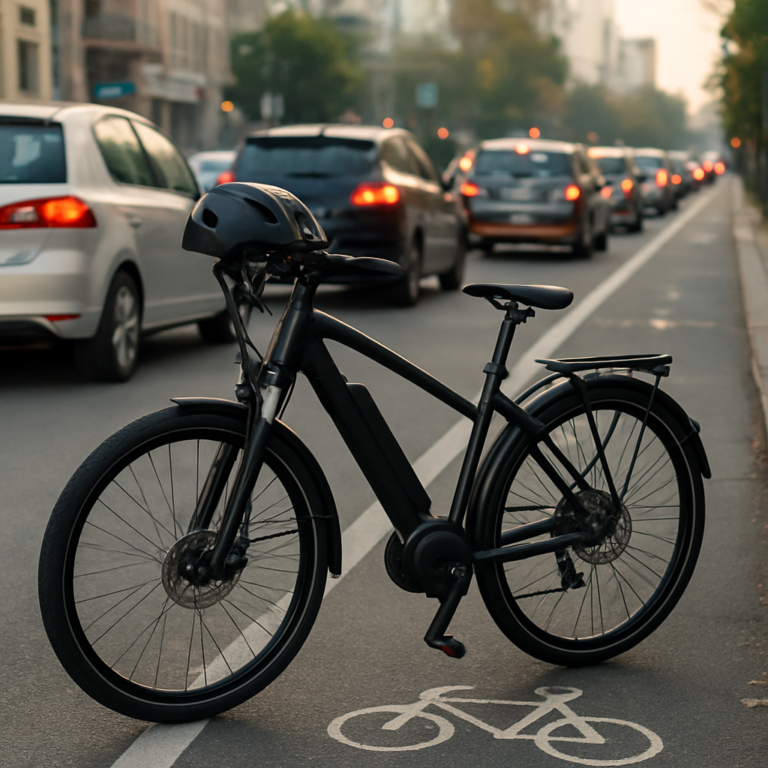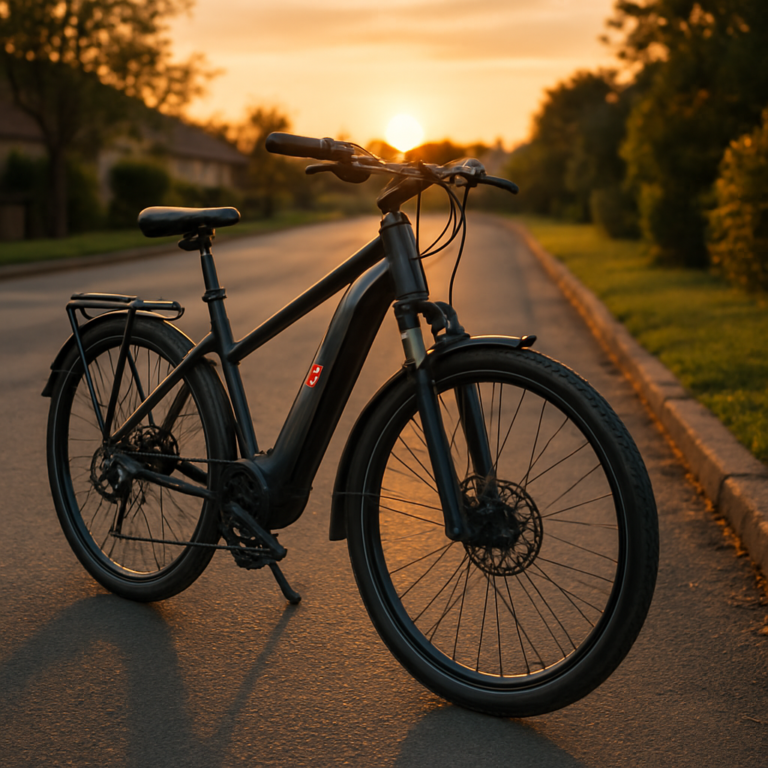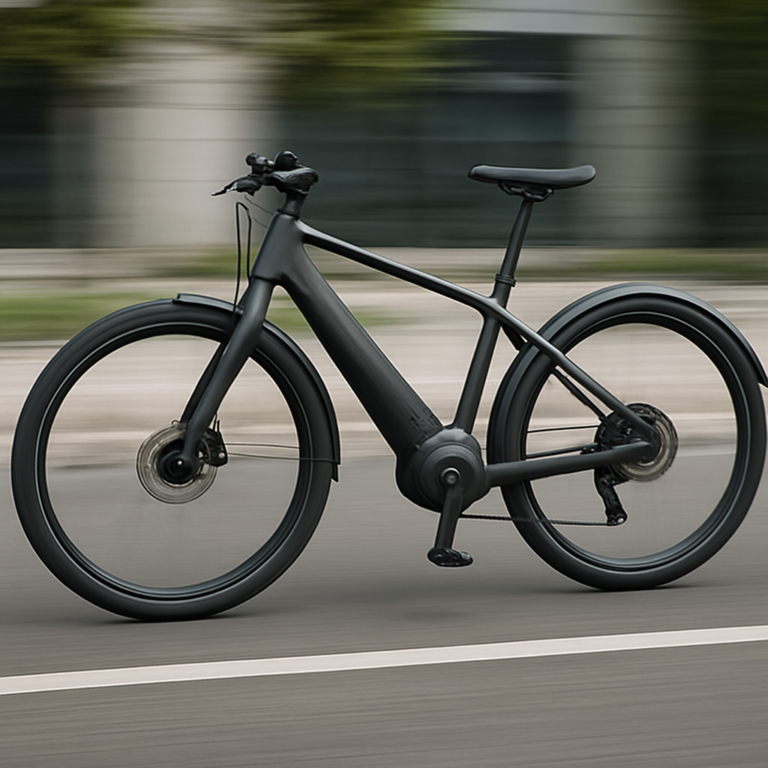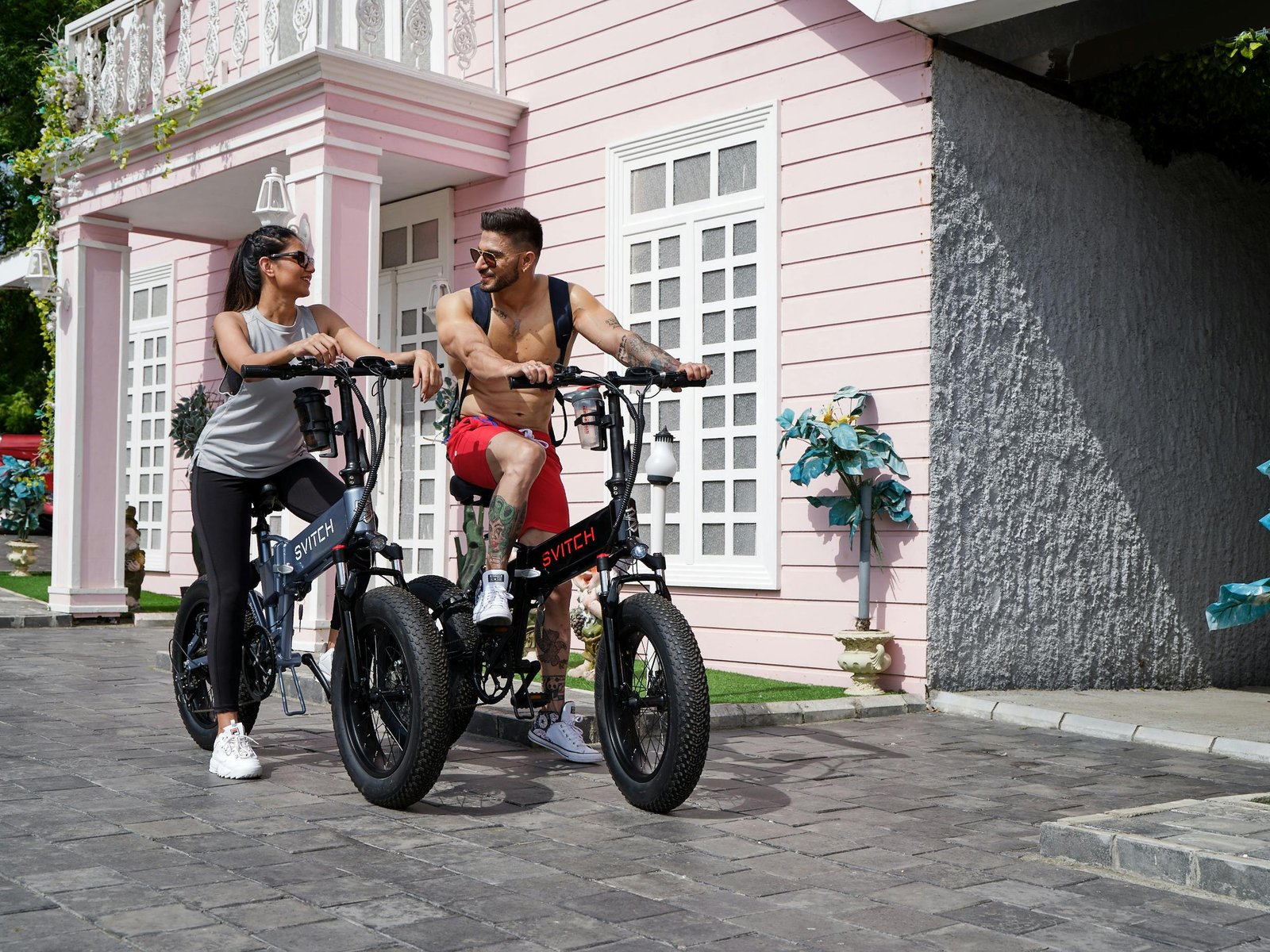
E-bikes make urban commuting easier, faster, and more enjoyable for daily riders.
E-bikes, also known as electric bikes or electric bicycles, are no longer a niche product for early adopters. They have become one of the fastest-growing forms of personal transportation worldwide. From daily commuting and long-distance touring to urban delivery and recreational riding, e-bikes are reshaping how people move through cities and landscapes.
Unlike traditional bicycles, e-bikes combine human pedaling with electric assistance, making cycling accessible to a wider range of riders while maintaining efficiency, affordability, and sustainability. Understanding how e-bikes work, how to choose the right model, and what performance claims truly mean is essential for anyone considering an electric bike today.
What Are E-Bikes and How Do They Work?
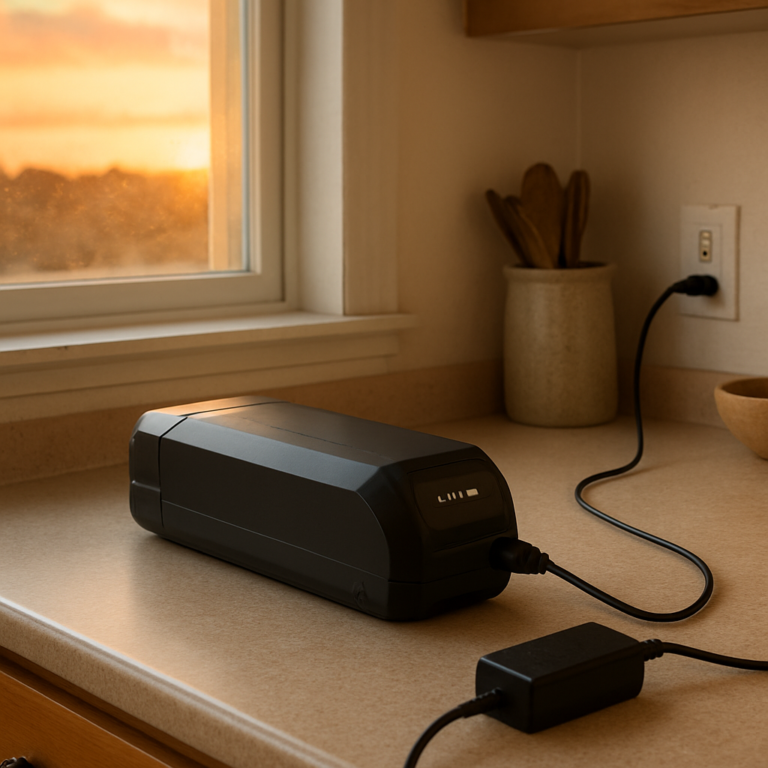
An e-bike is a bicycle equipped with an electric motor, rechargeable battery, and control system that assists pedaling or provides motor power through a throttle. The goal is not to replace cycling, but to enhance it, especially over longer distances, hills, or heavy loads.
Core E-Bike Components
-
Electric motor (hub motor or mid-drive motor)
-
Motor controller
-
Pedal Assist System (PAS)
-
Display and control unit
Search more topics
Explore related answers and trending queries in seconds.
Most modern electric bikes use pedal assist, meaning the motor activates only when the rider pedals. This design improves efficiency, battery life, and riding safety.
Which E-Bike Brand Is Best?
There is no single best e-bike brand for everyone. The best brand depends on riding purpose, terrain, reliability expectations, and long-term service availability.
Trusted E-Bike Brands by Category
Premium & Performance Brands
-
Specialized Turbo series
-
Giant electric bikes
Reliable Mid-Range Brands
Utility & Long-Range Specialists
The most important brand qualities are battery management systems, motor reliability, global service networks, and spare-part availability, not marketing claims.
Which Electric Bike Is Best for Most Riders?
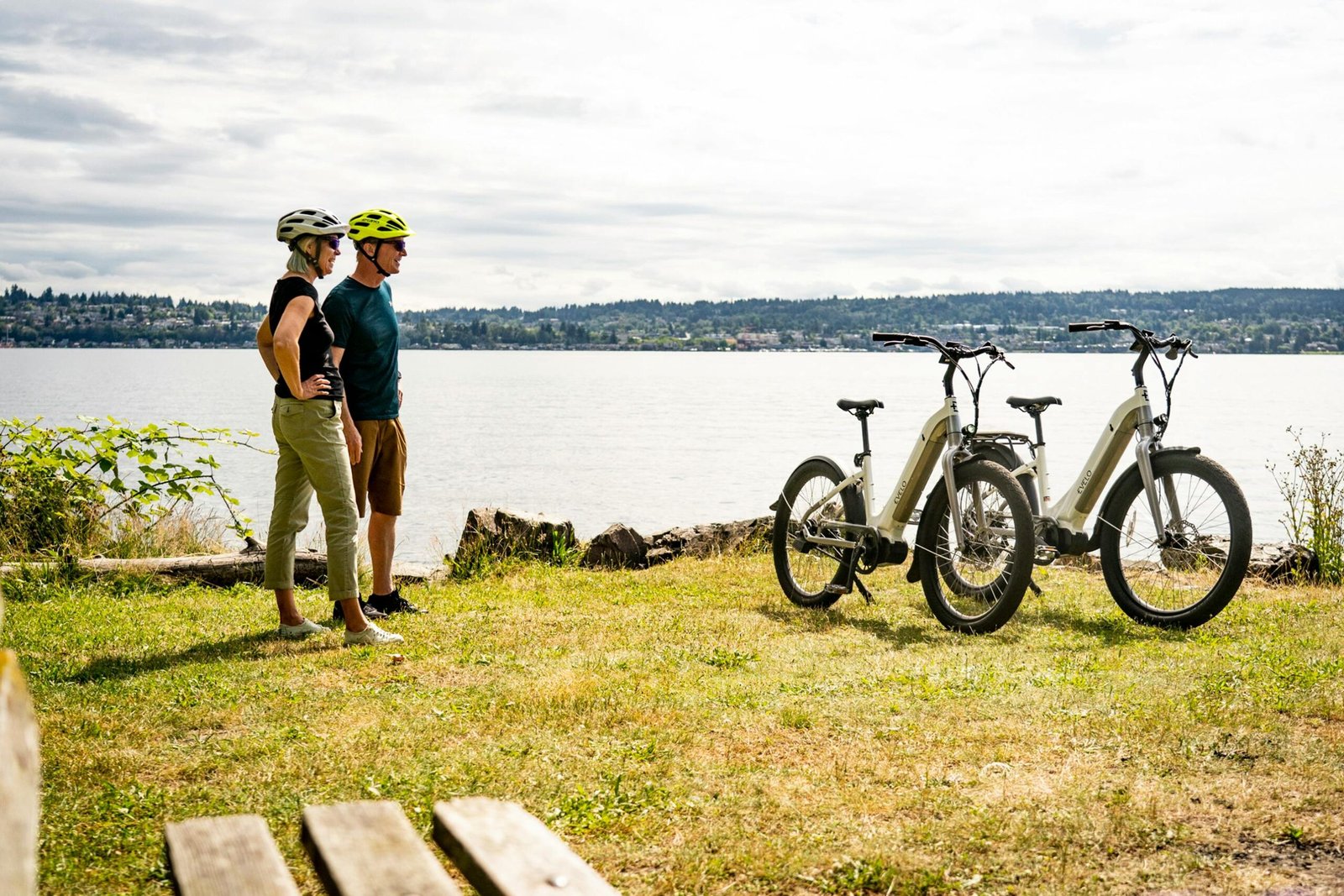
The best electric bike is one that balances motor efficiency, comfort, range, and durability, rather than focusing purely on power or speed.
For most riders, an ideal e-bike includes:
-
A mid-drive motor for efficient torque delivery
-
Battery capacity between 500Wh and 750Wh
-
Quality hydraulic disc brakes
-
Integrated battery design
-
Upright geometry for comfort and visibility
High-quality electric bikes prioritize ride quality, smooth assistance, and low maintenance over extreme specifications.
How to Choose an E-Bike
Choosing an e-bike starts with understanding how you plan to use it.
1. Riding Purpose
-
Urban commuting
-
Long-distance touring
-
Cargo transport
-
Off-road or trail riding
2. Motor Type
-
Hub motors are affordable and low-maintenance
-
Mid-drive motors offer better climbing, balance, and efficiency
3. Battery Range
-
Short commutes: 40–80 km
-
Daily commuting: 80–120 km
-
Touring or cargo use: 120 km+
4. Legal Classification
-
Class 1 (pedal assist, lower speeds)
-
Class 2 (throttle assist)
-
Class 3 (higher assisted speeds)
The right electric bike should match your physical needs, local regulations, and riding environment—not just online specifications.
Which Electric Bike Has a 100 km Range?
Many modern e-bikes can realistically achieve 100 km range, but this depends on several variables.
Key Factors Affecting Range
-
Battery size (measured in watt-hours)
-
Assist level used
-
Rider weight and cargo
-
Terrain and elevation
-
Wind and weather conditions
-
Tire pressure and cadence
A well-designed e-bike with a 500Wh–750Wh battery and efficient mid-drive motor can reach 100 km in eco mode under typical riding conditions.
How Fast Is a 2000W E-Bike?
A 2000W e-bike is considered high-power and often exceeds standard road-legal classifications.
Typical Speed of a 2000W E-Bike
-
50–60 km/h under ideal conditions
-
Rapid acceleration
-
Significantly higher energy consumption
While powerful, high-wattage e-bikes reduce battery range and increase wear on components. In many regions, they are restricted to private land or require registration.
Which Electric Bike Has a 500 km Range?
A 500 km range on a single charge is not realistic with today’s consumer battery technology.
Claims of extreme range usually involve:
-
Multiple batteries
-
Ultra-low assist settings
-
Ideal flat terrain
-
Marketing exaggeration
Realistic Long-Range Expectations
-
Single battery: 70–150 km
-
Dual-battery systems: up to 250 km
-
Touring setups with spare batteries: extended distance over multiple days
When evaluating range claims, always check battery watt-hours and test conditions, not headline numbers.
What Is the Lifespan of an E-Bike?
E-bikes are designed for long-term use, with lifespan varying by component quality and maintenance.
Average E-Bike Lifespan
-
Frame and mechanical parts: 10–15 years
-
Battery lifespan: 700–1,000 charge cycles
-
Motor systems: 5–10 years with regular servicing
Lithium-ion batteries usually retain 70–80% capacity after years of normal use. Proper charging habits and storage significantly extend battery life.
Are E-Bikes Sustainable?
E-bikes are among the most energy-efficient transportation options available today.
Compared to cars or public transport, electric bikes:
-
Produce near-zero emissions during use
-
Require fewer raw materials to manufacture
-
Reduce traffic congestion and noise
-
Lower long-term transportation costs
When charged using renewable energy, e-bikes become one of the cleanest mobility solutions available to modern cities.
Why E-Bikes Are the Future of Urban Transportation
Rising fuel prices, limited parking, and urban congestion are accelerating the shift to electric mobility. E-bikes bridge the gap between traditional cycling and motor vehicles by offering speed, efficiency, and accessibility without environmental cost.
Cities worldwide are adapting infrastructure to support electric bikes because they reduce emissions, improve public health, and make transportation more inclusive.
About The Author

Search Anything
Search any topic — insurance, loans, travel, technology, health, and more.