Choosing solar for your home can feel exciting and overwhelming at the same time. You hear about lower electricity bills, cleaner energy, and long-term savings but then you run into technical terms, system sizes, inverters, batteries, permits, and installation quotes that all seem different. This Residential Solar Panel Systems Guide is designed to make the process simple and practical, whether you are just starting your research or comparing offers from installers.
A home solar system is not just about putting a few panels on a roof. It is an energy investment that should match your household’s electricity use, roof conditions, budget, and future goals. Some homeowners want to reduce monthly bills. Others want backup power during outages. Some want to increase home value and reduce dependence on the grid. The right setup depends on what matters most to you.
In this article, you will learn how residential solar systems work, the main components, how to choose the right size, what affects cost, what to ask installers, and how to maintain the system for long-term performance. If you are looking for a practical Residential Solar Panel Systems Guide, this article will help you make confident decisions without the confusion.
What Is a Residential Solar Panel System?
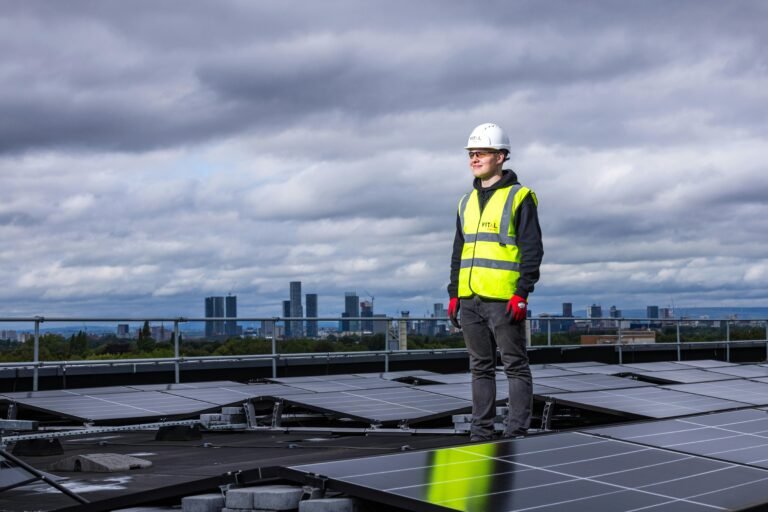
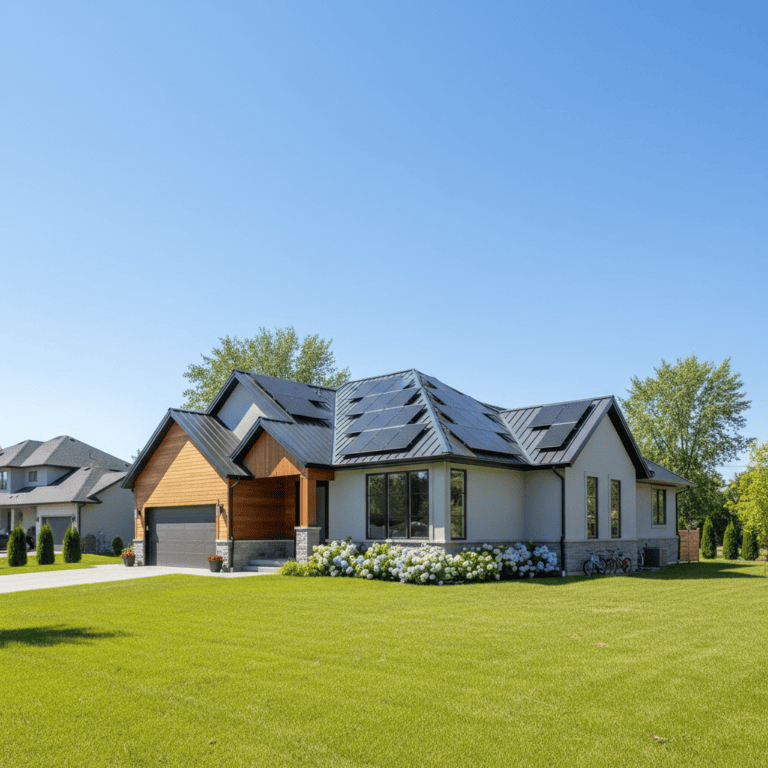
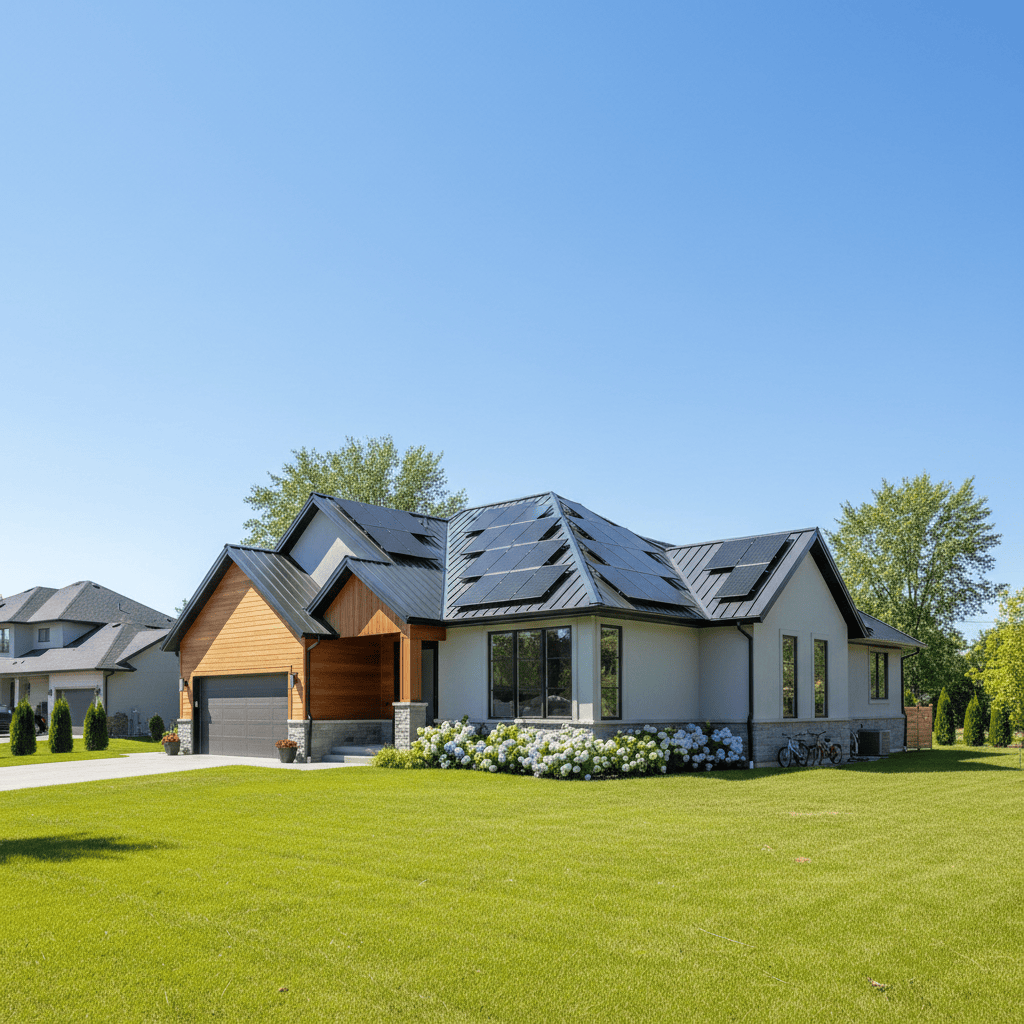
A residential solar panel system is a setup that converts sunlight into usable electricity for a home. In most cases, panels are installed on the roof, though ground-mounted systems are also possible when roof space is limited or not ideal.
When sunlight hits the solar panels, they produce direct current (DC) electricity. Since homes typically use alternating current (AC), the electricity passes through an inverter, which converts DC into AC. That power can then run appliances, lights, electronics, and heating or cooling systems. If your system produces more energy than your home uses at a given moment, the extra electricity may be sent to the grid (depending on your utility rules) or stored in a battery.
A complete residential solar system usually includes:
-
Solar panels
-
Inverter (string inverter, microinverters, or hybrid inverter)
Search more topics
-
Mounting/racking system
-
Electrical wiring and safety disconnects
-
Monitoring system
-
Optional battery storage
Each part plays an important role in performance, safety, and reliability.
How Residential Solar Systems Work in Daily Life
The easiest way to understand solar is to imagine your home using solar power first and grid power second.
During the day, your solar panels generate electricity. If your home is using power at the same time, it consumes the solar energy immediately. If production is higher than usage, the excess may go back to the grid or charge a battery. At night, your panels stop producing and your home uses electricity from the grid or from a battery if one is installed.
This means your system does not need to produce 100% of your daily energy every hour to be useful. Solar works across the whole billing cycle, and in many cases, the goal is to offset as much annual electricity use as possible.
A strong Residential Solar Panel Systems Guide should always start with this point: solar is not only about panel count—it is about matching production patterns with how your household consumes electricity.
Main Types of Residential Solar Systems
1) Grid-Tied Systems
These are the most common home solar systems. They are connected to the utility grid and usually do not include battery storage.
Best for: homeowners who want lower energy bills and lower upfront cost.
Pros:
-
More affordable than battery-based systems
-
Simpler design and installation
-
Can reduce monthly utility costs significantly
Cons:
-
Usually shuts off during grid outages (for safety) unless battery backup is included
2) Hybrid Systems (Solar + Battery)
Hybrid systems combine solar panels with battery storage. They can store extra electricity for evening use or backup during outages.
Best for: homeowners who want energy independence and outage protection.
Pros:
-
Backup power capability
-
Can use stored energy during peak utility rates
-
Better control over energy use
Cons:
-
Higher upfront cost
-
More complex system design
3) Off-Grid Systems
These systems are not connected to the utility grid at all. They rely on solar panels, batteries, and often a backup generator.
Best for: remote homes or properties where grid connection is unavailable or too expensive.
Pros:
-
Complete independence from the utility grid
-
Useful in rural and remote locations
Cons:
-
Highest cost
-
Requires careful planning and battery management
-
Backup generation is often needed
How to Choose the Right System Size
System size is one of the most important decisions. A system that is too small may not deliver meaningful savings. A system that is too large may be restricted by utility policies, roof space, or budget.
Here is what affects system sizing:
Your Electricity Usage
Start with your last 12 months of electric bills and look at total annual kilowatt-hours (kWh). This gives a much better picture than checking only one month, since heating and cooling can change usage by season.
Roof Space and Layout
A large, unshaded roof with good sun exposure allows more panel capacity. Small roofs, complex rooflines, chimneys, vents, and skylights can reduce usable space.
Sunlight Conditions
Homes in sunnier climates generally produce more solar power per panel than homes in cloudy regions. Orientation and tilt also matter. South-facing roofs are often ideal, but east- and west-facing roofs can also work well.
Future Energy Needs
Think ahead. Are you planning to buy an electric vehicle? Add air conditioning? Upgrade to electric heating? Install a pool? Your future usage may justify a larger system today.
A practical Residential Solar Panel Systems Guide should remind homeowners to size the system based on real needs—not just the cheapest quote or the highest panel count.
Key Components You Should Understand Before Buying
Solar Panels
Panels vary by efficiency, wattage, warranty, and price. Higher-efficiency panels produce more power in less space, which is helpful on smaller roofs. However, the “best” panel is not always the most expensive one. A well-designed system with solid mid-range panels can perform extremely well.
Inverters
The inverter is the heart of your system’s electrical conversion. Common options:
-
String Inverter: lower cost, good for simple roofs with minimal shading
-
Microinverters: one per panel, better for roofs with shade or mixed panel directions
-
Power Optimizers + String Inverter: a middle-ground approach that improves panel-level performance
Battery Storage
Batteries are optional for many homes, but they are increasingly popular. If outages are common in your area or you want to use more of your own solar energy at night, battery storage may be worth considering.
Monitoring System
A good monitoring platform lets you track production and spot issues early. This helps protect your investment and gives peace of mind.
Cost Factors and What Changes the Price
Residential solar pricing can vary widely, even for homes that look similar. Here are the biggest factors that affect cost:
-
System size (larger systems cost more overall)
-
Equipment quality (premium panels/inverters cost more)
-
Roof complexity (steep roofs or difficult access increase labor)
-
Battery storage (major cost addition)
-
Local permitting and inspection requirements
-
Installer experience and warranty coverage
-
Electrical upgrades (if your home needs panel/service improvements)
The cheapest quote is not always the best value. Look at total system design, projected production, warranty terms, and the installer’s reputation. A slightly higher upfront price may save money in the long run if the system performs better and includes stronger support.
Questions to Ask a Solar Installer
Before signing a contract, ask clear questions. A trustworthy installer should be comfortable answering them.
-
How much annual energy will this system produce?
-
What assumptions are used in that estimate?
-
Which panels and inverter brand/models are included?
-
What warranties cover equipment, workmanship, and roof penetrations?
-
Will you handle permits, utility paperwork, and inspections?
-
What is the installation timeline?
-
What happens if my roof needs repair before installation?
-
Is monitoring included, and who helps if something stops working?
-
What are the payment terms and total cost (including extras)?
-
If battery-ready or EV-ready options are available, what do they cost now vs later?
This part matters because many problems come from poor planning, unclear contracts, or unrealistic promises—not from solar technology itself.
Common Mistakes Homeowners Should Avoid
Even smart buyers can make avoidable mistakes when going solar. Here are some of the most common:
Choosing Based Only on Price
A low-cost quote can hide weaker equipment, poor design, or limited after-sales service.
Ignoring Roof Condition
If your roof is near the end of its life, replacing it before solar installation is usually the smarter move.
Not Reviewing Energy Usage Trends
If your usage is changing, your system should reflect that. A system designed for last year may not fit next year.
Overlooking Shade
Trees, nearby buildings, and seasonal shading can reduce output more than many people expect.
Not Reading Warranty Details
Understand what is covered, for how long, and who is responsible for service calls.
A reliable Residential Solar Panel Systems Guide should help you avoid these mistakes early, before they become expensive.
Maintenance and Long-Term Performance
One of the biggest advantages of residential solar is low maintenance. Most systems do not require frequent servicing, but basic care makes a difference.
Simple Maintenance Tips
-
Check monitoring regularly for unusual drops in production
-
Keep panels reasonably clean if dust, pollen, or debris builds up
-
Trim trees if shading increases over time
-
Schedule inspections if you notice wiring issues, roof leaks, or inverter alerts
Solar panels are designed to handle weather, but long-term performance depends on quality installation and occasional attention. Inverters may need replacement earlier than panels, depending on the type and warranty period, so plan for that possibility in long-term budgeting.
Is Residential Solar Worth It?
For many homeowners, yes—especially if electricity costs are high, the roof gets good sunlight, and the system is properly sized. The value of solar is not just in monthly savings. It can also provide more predictable energy costs, increase resilience (with batteries), and support a cleaner energy future.
That said, solar is not one-size-fits-all. The best outcome comes from careful planning, realistic expectations, and working with a reputable installer. If you treat solar as a long-term home upgrade rather than a quick purchase, you are much more likely to be satisfied.
This Residential Solar Panel Systems Guide is meant to give you a strong foundation so you can compare options, ask better questions, and choose a system that truly fits your home.
Final Thoughts
Residential solar has become more accessible and more flexible than ever. Whether you want a basic grid-tied setup or a hybrid system with battery backup, the key is understanding your home’s energy needs and choosing equipment and installers carefully. Start with your electric bills, evaluate your roof, compare detailed proposals, and think about your future usage—not just your current one.
If you take a practical approach, solar can be one of the smartest upgrades you make for your home. Use this Residential Solar Panel Systems Guide as your starting point, and move forward step by step with confidence.
Educational article by SDinformation.
Search Anything
Search any topic — including insurance, loans, travel, technology, health, and more.
About The Author