
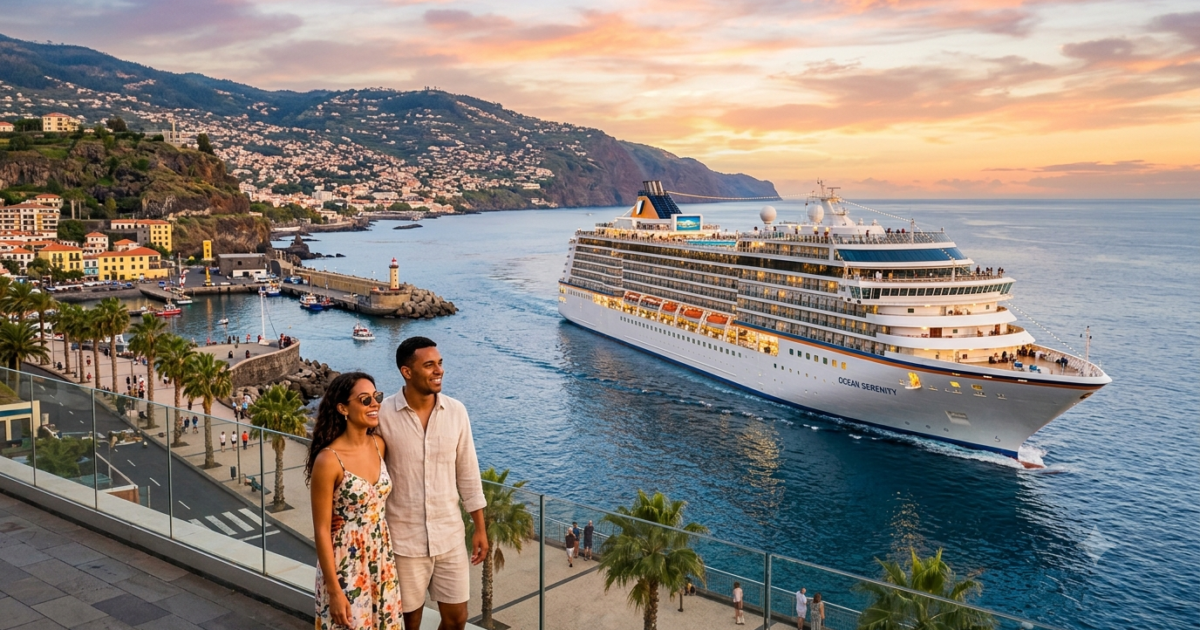
A cruise vacation combines the excitement of travel with the comfort of having everything arranged for you. For first-time cruisers, the sheer number of choices can feel overwhelming. From picking the right cruise line to understanding what is included in your fare, a little research goes a long way toward making your first sailing smooth and memorable. This guide covers everything you need to know to plan, book, and enjoy your first cruise with confidence.
A cruise vacation combines the excitement of travel with the comfort of having everything arranged for you. For first-time cruisers, the sheer number of choices can feel overwhelming. From picking the right cruise line to understanding what is included in your fare, a little research goes a long way toward making your first sailing smooth and memorable. This guide covers everything you need to know to plan, book, and enjoy your first cruise with confidence.
Choosing the Right Cruise Line and Ship
Not all cruise lines are the same, and choosing the right one makes the difference between a great vacation and a disappointing experience. Some cater to families with young children, offering water parks, kids’ clubs, and character meet-and-greets. Disney Cruise Line and Royal Caribbean excel in this category with elaborate kids’ facilities and family-friendly entertainment. Others focus on luxury, with smaller ships, fine dining, and adult-only spaces. Lines like Viking and Oceania attract older travelers seeking a more refined experience.
Adventure cruise lines explore remote destinations like Antarctica, the Galapagos, or the Arctic. These smaller vessels carry fewer passengers and emphasize expedition-style activities like zodiac landings and wildlife viewing. Mainstream lines like Carnival, Norwegian, and Royal Caribbean cover popular routes in the Caribbean, Mediterranean, and Alaska with larger ships and more entertainment options. Understanding these differences helps you match your preferences to the right cruise experience.
Ship size matters more than many first-timers realize. Mega-ships carry five thousand or more passengers and feel like floating cities, complete with Broadway shows, multiple pools, and dozens of restaurants. These ships offer endless entertainment options but can feel crowded and impersonal. Smaller ships carry fewer than a thousand passengers and offer a more intimate experience, easier boarding, and access to ports that cannot accommodate large vessels. Think about whether you prefer endless entertainment options or a quieter, more relaxed atmosphere.
Consider the ship’s age as well. Newer ships feature the latest amenities, modern cabin designs, and updated technology. Older ships may have more traditional decor and smaller cabins but often come with lower prices and a more classic cruising feel. Reading recent reviews from past passengers gives you insight into the actual experience, not just the marketing materials.
Picking Your First Destination
The Caribbean remains the most popular choice for first-time cruisers, and for good reason. Short itineraries from Florida ports make it easy to fit into a work schedule. The weather is warm, the water is clear, and shore excursions range from beach lounging to snorkeling and zip-lining. Eastern Caribbean routes visit ports like St. Thomas, San Juan, and the Bahamas, while western routes hit Cozumel, Jamaica, and Grand Cayman. Southern Caribbean cruises venture to less-visited islands like Aruba and Curacao.
Alaska appeals to travelers who want dramatic scenery and wildlife. Glacier viewing, whale watching, and visits to frontier towns like Juneau, Skagway, and Ketchikan create unforgettable memories. Alaska cruises run from May through September, with July and August offering the warmest weather and longest days. The scenery from your ship’s deck rivals anything you will see on shore, making this a great destination even if you choose not to book many excursions.
Mediterranean cruises combine history, culture, and cuisine across iconic ports like Barcelona, Rome, Santorini, and Dubrovnik. These itineraries appeal to travelers who want to sample multiple countries in one trip. However, Mediterranean cruises involve more walking and often require flights to European embarkation ports, which adds complexity for first-timers. Norwegian Fjords cruises offer stunning natural scenery with relatively easy logistics, making them another excellent option for beginners.
Consider the length of the cruise as well. Three and four-day cruises are perfect for testing whether you enjoy cruising without a major time commitment. Seven-day cruises are the industry standard and offer a good balance of sea days and port visits. Longer cruises of ten to fourteen days allow for more destinations and a deeper immersion in the cruise experience but require more vacation time and preparation.
Understanding What Your Cruise Fare Includes
Your base cruise fare typically covers your cabin, meals in the main dining room and buffet, basic beverages like coffee, juice, and tea, and most entertainment shows and activities. Pool access, fitness center use, and kids’ club programming are also included. What is not included can add up quickly, so understanding these costs upfront helps you budget accurately and avoid sticker shock.
Gratuities are either prepaid or added to your onboard account daily, typically fifteen to twenty dollars per person per day. This covers your cabin steward, dining room servers, and other service staff. Specialty restaurants charge extra, often twenty to fifty dollars per person for a premium dining experience. Alcoholic drinks, sodas, and specialty coffees are rarely included unless you purchase a beverage package, which may or may not be a good value depending on your consumption.
Shore excursions booked through the cruise line range from thirty dollars for a simple beach transfer to hundreds of dollars for elaborate tours. Spa treatments, photos, and internet access all cost extra. Some luxury lines include more of these extras in the base fare, which may offer better overall value depending on your preferences. Always calculate the total cost including extras when comparing cruise deals, not just the base fare.
Taxes and port fees are added to every cruise and cannot be avoided. These vary by itinerary and typically add one hundred to three hundred dollars per person. Travel insurance is highly recommended and costs extra but protects you if you need to cancel due to illness, family emergency, or other covered reasons. Some credit cards offer trip protection as a benefit, which can save you money.
Booking Tips for First-Time Cruisers
Booking early often gets you the best cabin selection and lower prices, especially for popular routes and school vacation periods. Cruise lines typically release itineraries eighteen months to two years in advance, and early booking discounts can be significant. However, last-minute deals can save money if you have flexible dates and are willing to take whatever cabin is left. The trade-off is limited cabin selection and the risk that the cruise sells out.
Working with a travel agent who specializes in cruises costs nothing extra and can provide valuable guidance. Good agents know which cabins to avoid, which promotions are actually worthwhile, and can help with pre- and post-cruise arrangements. They often have access to group rates and exclusive perks like onboard credits, complimentary gratuities, or cabin upgrades. The cruise line pays the agent’s commission, so you pay the same price whether you book direct or through an agent.
Cabin selection affects your experience more than you might expect. Interior cabins are the most affordable but have no windows or natural light. Oceanview cabins add a window or porthole, which makes the space feel larger and lets you see the weather. Balcony cabins give you private outdoor space, which is worth the upgrade for longer itineraries, scenic routes like Alaska, or if you enjoy private breakfasts overlooking the ocean. Suites offer more space, better locations, and perks like priority boarding but come at a significant premium.
Location within the ship matters too. Midship cabins on lower decks experience less motion, which helps if you are prone to seasickness. Cabins near elevators are convenient but may have more hallway noise. Under the pool deck or near the theater can mean late-night noise. Researching the ship’s deck plans before booking helps you choose a cabin that matches your priorities for convenience, quiet, and stability.
What to Pack and What to Leave Home
Cruise dress codes vary by line and itinerary. Most evenings are casual, but formal nights may require cocktail attire, a suit, or even a gown depending on the cruise line. Check your cruise line’s dress code before packing to avoid feeling out of place. Even on casual lines, some specialty restaurants require collared shirts and closed-toe shoes. Comfortable walking shoes are essential for shore excursions and exploring the ship.
Pack layers regardless of your destination. Air conditioning in dining rooms and theaters can be chilly even in the tropics. A light jacket or sweater is useful for evening deck walks. For Alaska or northern Europe, pack waterproof gear, warm layers, and binoculars for wildlife viewing. The ship’s laundry services are available but expensive, so bring enough clothing for your cruise length or plan to do hand-washing in your cabin.
Power strips are often banned for safety reasons, so check the policy before packing. Most cabins have limited outlets, so a USB charging hub can be helpful for keeping multiple devices charged. Pack medications in your carry-on, not your checked luggage, in case bags are delayed during boarding. Bring seasickness remedies even if you do not think you will need them. The ship’s medical center can help, but prevention is easier and cheaper.
Travel insurance is strongly recommended, especially for cruises, because medical evacuation from a ship can be extraordinarily expensive. Standard health insurance often does not cover medical care at sea or in foreign ports. Trip cancellation insurance protects your investment if you need to cancel for covered reasons. Some policies also cover trip interruption, missed connections, and baggage loss. The peace of mind is worth the cost for most travelers.
Making the Most of Your Time Onboard and Ashore
Once onboard, take time to explore the ship and learn the layout on your first day. Attend the mandatory safety drill, which is required of all passengers. Make dining and entertainment reservations early, especially for popular shows and specialty restaurants. Download the cruise line’s app to keep track of daily activities, restaurant menus, and to communicate with your travel companions without using expensive internet packages.
Shore excursions booked through the cruise line offer convenience and the guarantee that the ship will wait if the tour runs late. This peace of mind is valuable, especially in ports where the ship docks far from the main attractions. Independent tours are often cheaper and more flexible but require more planning and carry the risk of missing the ship if you return late. Research each port before you sail to decide whether you want an organized excursion, a self-guided walking tour, or simply a beach day.
Some travelers enjoy the ship’s quiet amenities while everyone else is ashore. The pools, spa, and restaurants are less crowded on port days. This can be a great time to enjoy the ship’s facilities that are busy during sea days. If you do go ashore, return to the ship well before the all-aboard time. The ship will leave without you if you are late, and catching up to it in the next port is your expensive responsibility.
Balance scheduled activities with relaxation. It is tempting to pack every day with excursions, shows, and specialty dining, but cruises are also about rest. Leave time to sit on your balcony, read a book, or simply watch the ocean. Some of the best cruise memories come from unplanned moments, not the scheduled activities. Talk to fellow passengers and crew members. Cruise ships are social environments, and you will meet interesting people from around the world.
About The Author
