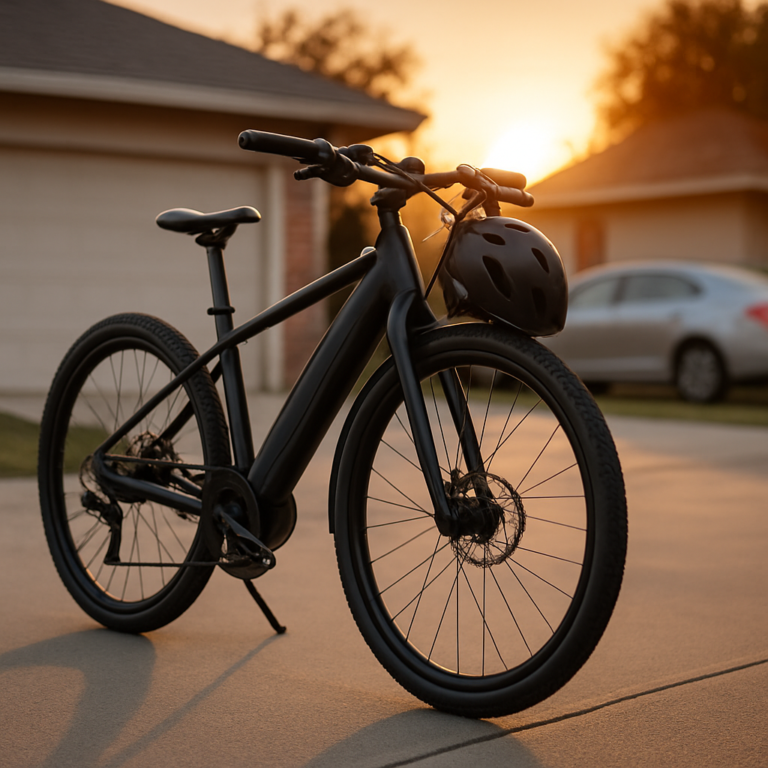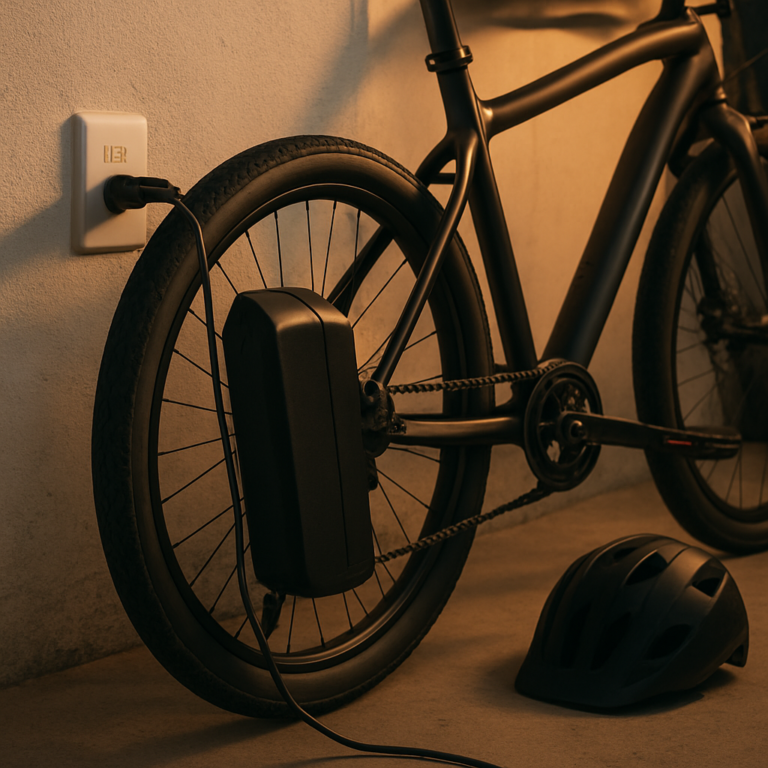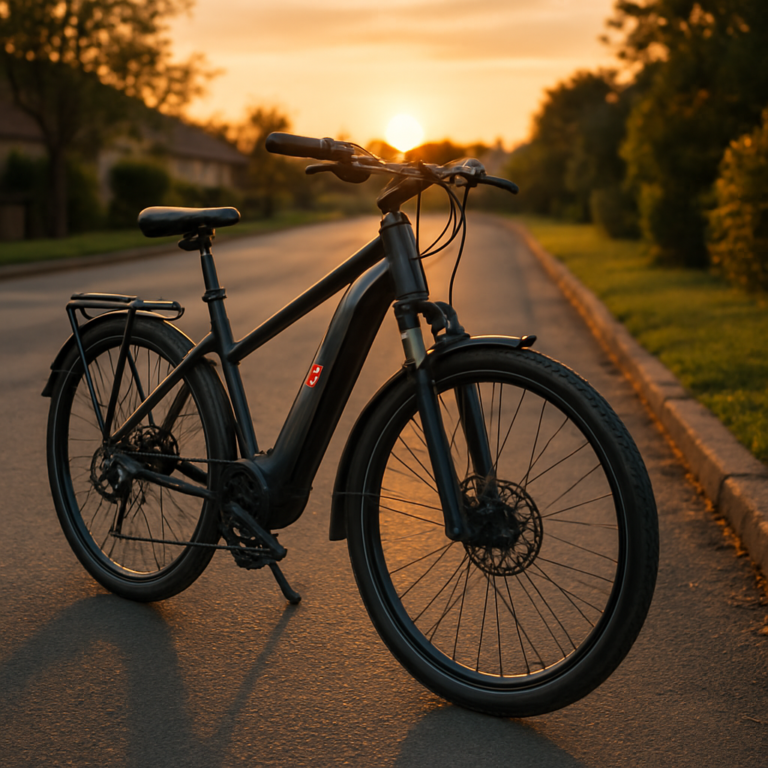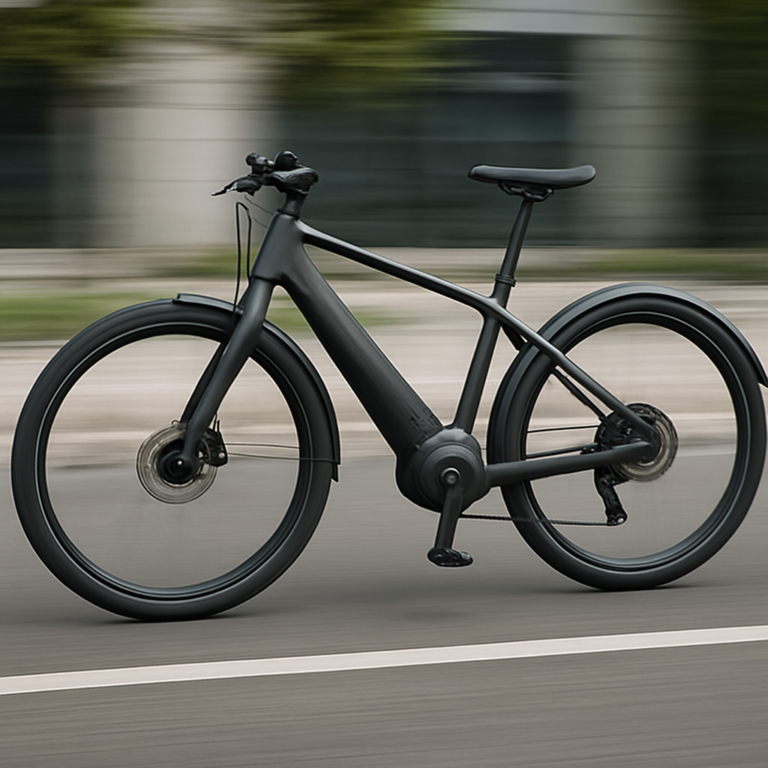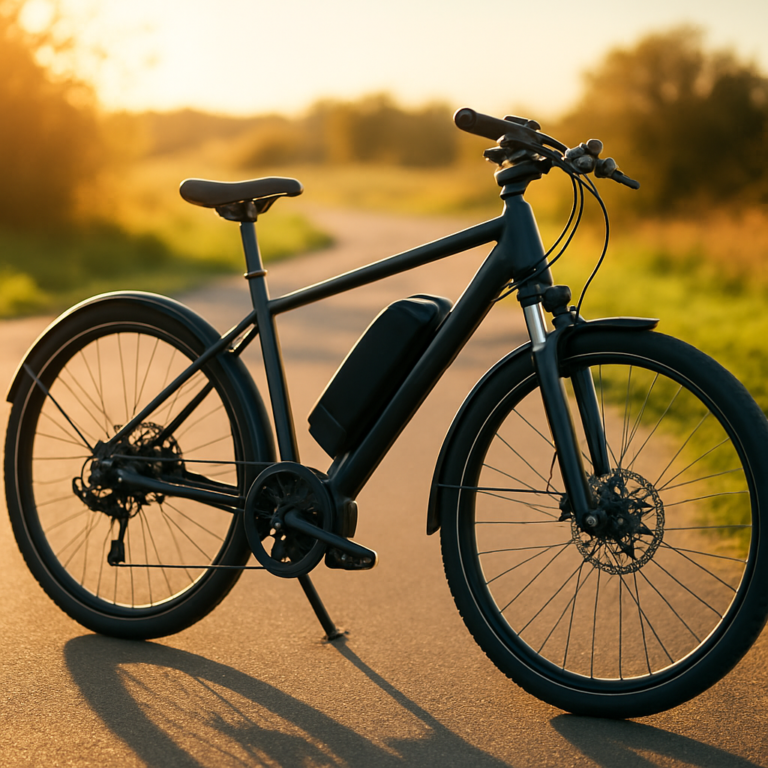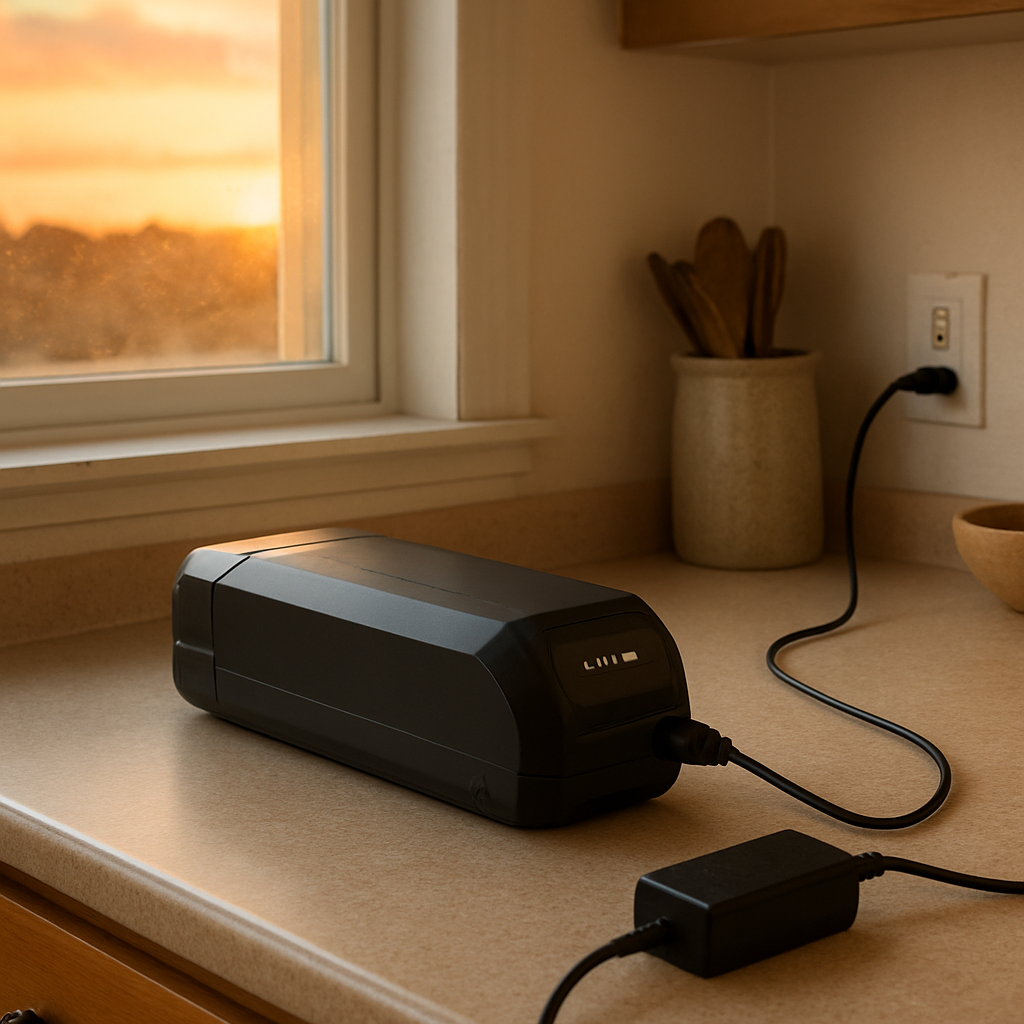
I remember the first week I owned my e-bike. I had just finished a beautiful 20-mile trek, and I was staring at the battery sitting on my kitchen counter, wondering if I’d be able to head back out for a sunset ride that evening. I kept checking the little green blinking lights every twenty minutes like a kid waiting for a cake to bake. The question on my mind was simple: how long does it take to charge an electric bike before I can hit the road again?
If you’re new to the world of electric mobility, you’ve probably realized that the “marketing” numbers on the box don’t always tell the full story. Manufacturers love to give you a best-case scenario, but life rarely works that way. Whether you’re a commuter trying to figure out if you can top off your battery during a lunch break, or a weekend warrior planning a long-distance tour, understanding the rhythm of your battery’s “refuel” time is essential.
In this guide, we aren’t going to look at lab tests. We’re going to talk about real-world conditions, the physics of lithium-ion cells, and the practical habits that determine exactly how long does it take to charge an electric bike in your own garage.
The “Empty to Full” vs. The “Real World” Reality
Let’s start with the baseline. If you look at a standard 500Wh (Watt-hour) battery—which is the most common size on the market today—and use a standard 2-amp charger, the mathematical answer to how long does it take to charge an electric bike is usually about 4 to 6 hours. But here’s the thing: almost nobody actually waits that long.
Think about your cell phone. Do you wait until it hits 0% and shuts off before you plug it in? Of course not. You plug it in when it hits 20% or 30%. E-bike batteries are the same. Because lithium-ion chemistry actually hates being “deep cycled” (run down to zero), most riders develop a habit of “topping off.” If you only used half your battery on your commute, your real-world wait time isn’t five hours—it’s probably closer to two.
The Three Main Factors Influencing Your Wait Time
If you want to calculate how long does it take to charge an electric bike for your specific setup, you have to look at three variables: battery capacity, charger output, and the “curve.”
1. Battery Capacity (The Size of the Bucket)
A 750Wh battery is significantly larger than a 300Wh battery. It’s like trying to fill a bathtub versus filling a sink. If you bought a high-range “adventure” bike, you’ve naturally traded away a fast charge time for that extra mileage. It’s a trade-off I’m usually happy to make, but it means you have to be more disciplined about plugging in the moment you get home.
2. Charger Amperage (The Flow of the Hose)
Most e-bikes ship with a 2A (2-amp) charger. This is a “slow” charger. It’s gentle on the battery and helps it last for years, but it’s not built for speed. If you upgrade to a 4A or 5A “Fast Charger,” you can effectively cut your wait time in half. However, be careful—fast chargers generate more heat. If you use one every single day, you might find your battery’s total lifespan dropping a bit sooner than expected.
Search more topics
Explore related answers and trending queries in seconds.
3. The “Last 20%” Charging Curve
Lithium batteries don’t charge at a steady rate. They charge very quickly from 0% to 80%. But that last 20%? It takes forever. This is called the “trickle charge” phase. The charger slows down to balance the internal cells and prevent overheating. If you’re in a hurry and just need to get back on the road, you can usually unplug at 80% and be on your way in half the time it takes to get to 100%.
Temperature: The Silent Time-Killer
I once tried to charge my battery in a freezing garage in the middle of January. I came back four hours later, and the battery hadn’t moved a single percentage point. I thought it was broken.
It turns out, e-bike batteries have “brains” (called a Battery Management System, or BMS) that protect the cells from damage. If the battery is too cold—typically below 32°F (0°C)—it will refuse to accept a charge. Even if it’s just slightly above freezing, the internal resistance is much higher, which significantly increases how long does it take to charge an electric bike.
The pro tip here? Always bring your battery inside. Let it reach room temperature before you plug it in. Not only will it charge faster, but you’ll also prevent the internal “plating” that can permanently ruin your expensive battery.
Can You Speed Up the Process?
If you find yourself constantly frustrated by how long does it take to charge an electric bike, you have a few options.
The first is the aforementioned Fast Charger. Many brands like Bosch or Rad Power offer “Performance” chargers as an add-on. If your standard charger takes 6 hours, a fast charger can often get you back to full in under 3.
The second option is a Dual Battery setup. Some modern e-bikes allow you to plug in two batteries at once. While this doesn’t technically make one battery charge faster, it means you have twice the “fuel” available, so you don’t have to charge as often.
Lastly, focus on your riding style. If you ride in “Eco” mode, you use less battery, which means you have less to “refill” when you get home. It’s the simplest way to reduce your downtime.
Safety First: Why You Shouldn’t Rush It
We live in a world of “Fast Charging” everything, from our laptops to our cars. It’s tempting to want your e-bike to charge in 30 minutes. But there’s a reason how long does it take to charge an electric bike remains in the 3–6 hour range: safety.
E-bike batteries are packed with an incredible amount of energy. Charging them too fast creates heat, and heat is the enemy of lithium. Cheap, uncertified chargers from the internet might promise to charge your bike in an hour, but they often lack the safety shut-offs that prevent fires. Stick to the charger that came with your bike, or a certified replacement from the manufacturer. It’s worth the extra hour of waiting to know your house is safe.
Practical Charging Habits for the Busy Rider
To stop worrying about how long does it take to charge an electric bike, you just need a routine. Here is what I do:
-
The Post-Ride Top-Off: Don’t wait until the next morning. Plug it in as soon as you get home (after letting it cool down for 20 minutes).
-
The Outlet Timer: I use a $10 mechanical outlet timer. I set it to run for 5 hours and then cut the power. This prevents the battery from sitting at 100% on a “live” charger for days, which is better for the battery’s health.
-
Office Charging: If your commute is long, buy a second charger to keep at your desk. Charging for 3 hours at work means you’ll always have a full “tank” for the ride home.
The Bottom Line
So, when you boil it all down, how long does it take to charge an electric bike?
If you’re starting from zero, plan for a long afternoon—about 5 hours. If you’re just topping off after a casual ride, you’re looking at 2 to 3 hours.
It’s easy to get caught up in the numbers, but once you get into the rhythm of e-biking, the charging time starts to feel invisible. You plug it in, you go about your day, and when you’re ready to explore, the bike is ready for you. It’s a small price to pay for the freedom of a motorized ride.
This article was written by SDinformation. Our mission is to provide honest, rider-focused information to help you get the most out of your electric bike. Now that you’ve got a better handle on how long does it take to charge an electric bike, are you ready to plan your next commute?
About The Author

Search Anything
Search any topic — insurance, loans, travel, technology, health, and more.