How long do electric bike batteries last? Understanding battery lifespan, performance, and real-world use.
Picture this: you’re cruising down your favorite bike path on your shiny new electric bike, feeling that perfect balance of pedal power and electric assistance. Then, that dreaded thought creeps in—“How long do electric bike batteries last?” Whether you’re considering buying your first e-bike or already own one, understanding the lifespan of your power source is crucial for making smart decisions about your investment.
Electric bike batteries are the heart of your riding experience, but they are also the most expensive component to replace. The truth is, battery longevity isn’t just about luck; it’s about understanding how these powerful energy sources work and what factors affect their health. From your daily riding habits to where you store the bike during winter, everything you do impacts how long your battery will keep you rolling.
In this comprehensive guide, we’ll dive deep into the world of e-bike battery life, exploring everything from the science of degradation to practical, “real-world” tips for extending its life. By the end, you’ll have the knowledge to make your electric bike battery last as long as possible while maintaining peak performance.
Understanding E-Bike Battery Types and Their Lifespans
Most modern electric bikes use lithium-ion (Li-ion) batteries, which have become the industry standard for a reason. Generally speaking, when people ask, “How long do electric bike batteries last?” the answer is typically three to five years with regular use. However, this timeframe is often measured in “charge cycles” rather than years.
Most quality e-bike batteries are rated for 500 to 1,000 full charge cycles before their capacity drops to about 80% of what it was when brand new.
What is a Charge Cycle?
It’s a common misconception that every time you plug in your bike, you’ve used up a “life.” A full charge cycle means using 100% of the battery’s capacity. If you ride until the battery is at 50%, charge it to full, and do the same thing the next day, those two days combined equal one charge cycle. This is important because it means you don’t need to worry about “topping off” your battery after a short trip.
Chemistry Matters
The specific type of lithium-ion battery also plays a role:
-
Lithium Iron Phosphate (LiFePO4): These are the marathon runners. They can often handle up to 2,000 cycles, but they are heavier and rarer on consumer commuter bikes.
Search more topics
Explore related answers and trending queries in seconds.
-
Lithium Manganese/Cobalt: These are common in most retail e-bikes because they are lightweight and powerful, though they typically have a slightly shorter cycle life.
Quality is the ultimate decider. Premium batteries from reputable manufacturers like Bosch, Shimano, or Samsung include advanced Battery Management Systems (BMS). These digital “brains” protect the cells from overheating and overcharging, significantly extending the years of service you’ll get compared to a “no-name” budget battery.
Key Factors That Affect Your E-Bike Battery Lifespan
If you want to know how long do electric bike batteries last in the real world, you have to look at environmental factors. Lithium-ion batteries are a bit like humans—they are happiest in moderate temperatures.
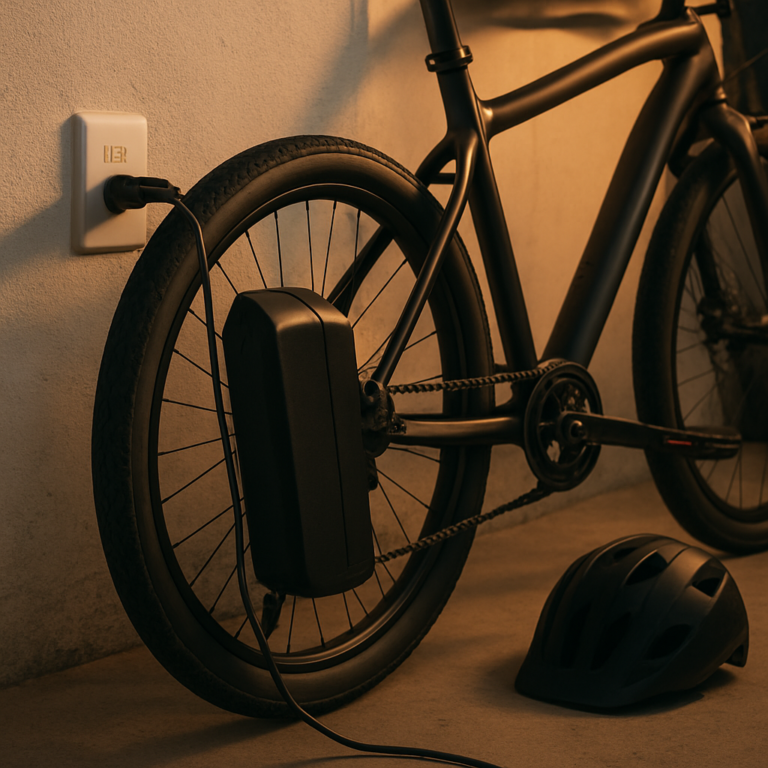
1. Temperature Extremes Extreme heat and cold are the primary enemies of battery chemistry. When temperatures climb above 86°F (30°C), the internal chemical reactions speed up, causing the battery to “age” faster even when not in use. Conversely, charging a battery in freezing temperatures can cause permanent “lithium plating,” which ruins the cells. Always try to store and charge your battery inside your home rather than a freezing garage or a sweltering shed.
2. Charging Habits You might have grown up being told to “drain the battery to 0% before charging,” but for e-bikes, that is actually harmful. Lithium batteries prefer partial charges. Keeping your battery between 20% and 80% is the “sweet spot” for longevity. Constantly pushing it to absolute empty or leaving it sitting at 100% for weeks at a time creates internal stress that shortens its life.
3. Riding Style Are you a “full throttle” rider? Constant heavy acceleration and staying in the highest assist mode puts a high “C-rate” (discharge rate) on the battery. This generates internal heat. While the bike is designed to handle it, a rider who uses moderate assist and shifts gears properly will almost always see their battery last more years than someone who treats the e-bike like a moped.
Warning Signs: Is Your Battery Reaching Its End?
Even with the best care, chemistry eventually slows down. Recognizing the early signs of decline can help you plan for a replacement so you aren’t stranded.
-
The Range Shrink: If your 40-mile commute now leaves you gasping for air at mile 25, your capacity is fading.
-
Lazy Charging: If the battery charges much faster than it used to (because it has less “room” to fill) or takes much longer because the cells are struggling to balance, it’s a sign of age.
-
Power Sag: Do you notice the bike feels “sluggish” on hills it used to conquer easily? As batteries age, their ability to deliver high voltage under load decreases.
-
Physical Red Flags: Any swelling of the battery case, a “sweet” chemical smell, or excessive heat during charging are serious signs that the battery is failing and could be a safety risk.
Pro Tips to Extend Your Battery Life
To ensure you get the maximum value out of your purchase, follow these human-tested strategies:
-
Don’t Charge Immediately After a Ride: Let the battery cool down for 30 minutes. Charging a “hot” battery from a long ride is a recipe for faster degradation.
-
The “60% Rule” for Storage: If you aren’t going to ride for a month or two, don’t leave the battery empty or full. Aim for 60% charge. This is the most stable state for lithium ions to “rest.”
-
Keep Your Bike Efficient: This sounds unrelated, but low tire pressure and a rusty chain make the motor work harder. The harder the motor works, the more juice it pulls from the battery, and the faster you’ll burn through your charge cycles.
-
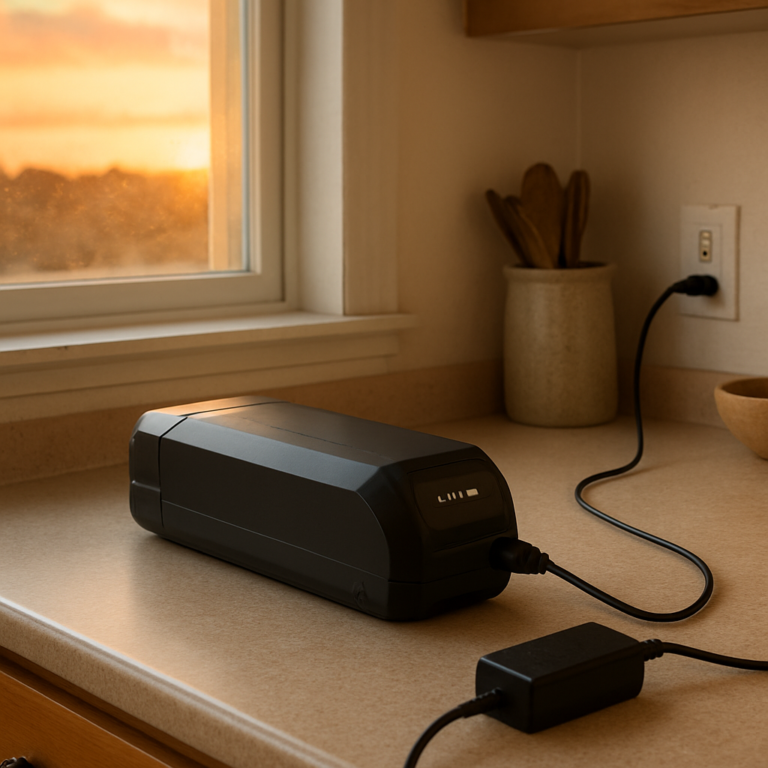
Use a Timer: If you don’t have a “smart” charger, use a simple $10 outlet timer to ensure your bike isn’t sitting on the charger for 48 hours straight.
The Cost of Replacement: What to Expect
Eventually, every owner will face the reality of a replacement. When asking how long do electric bike batteries last, you should also ask, “What happens next?”
Replacing a high-quality e-bike battery typically costs between $500 and $900, depending on the capacity (Wh). While this seems steep, if your battery lasted 5 years and you rode 2,000 miles a year, the “fuel” cost is incredibly low compared to a car or even public transit.
When the time comes, always buy original equipment manufacturer (OEM) batteries. It is tempting to buy a cheap “knock-off” from a random marketplace, but these often lack the safety certifications (like UL 2271) and the sophisticated BMS required to keep your house safe from fire risks.
The Future of E-Bike Energy
We are currently in a golden age of battery tech. While we wait for “Solid State” batteries to become affordable—which could double how long do electric bike batteries last—today’s lithium technology is more than sufficient for most people.
The reality is that an e-bike is an investment in your health and freedom. If you treat the battery with a little bit of respect—keeping it out of the sun, charging it sensibly, and not letting it sit dead for months—it will reward you with thousands of miles of effortless riding.
Don’t let “range anxiety” or worries about battery death keep you off the road. The technology is robust, predictable, and getting better every year. Just hop on, keep an eye on your charge levels, and enjoy the wind in your face.
This article was written by SDinformation. Our goal is to provide clear, actionable insights so you never have to wonder how long do electric bike batteries last while you’re out exploring the world.
About The Author

Search Anything
Search any topic — insurance, loans, travel, technology, health, and more.