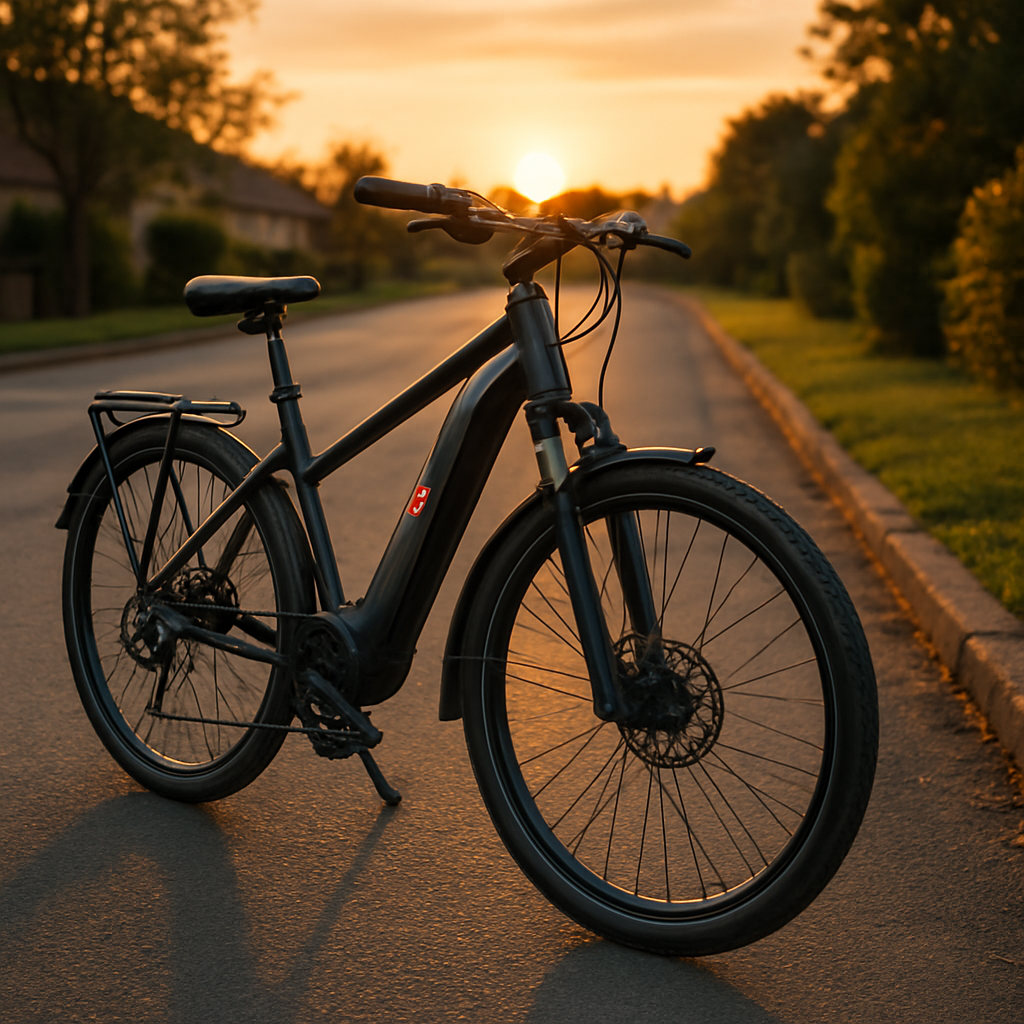
Real-world electric bike range: how far can an electric bike go on one charge?
I still remember my first “range anxiety” moment. I was about 12 miles from home, staring at the last blinking red bar on my display, and realized I had to climb a two-mile hill to get back to my driveway. I made it—barely—but that day taught me a lesson: the “estimated range” on the box is often just a polite suggestion. If you’re shopping for a ride, you’ve probably asked yourself: How far can an electric bike go on one charge?
It’s the million-dollar question. Manufacturers love to slap a big number like “60 Miles!” on the frame, but in the real world, that number is a moving target. I’ve seen the same bike go 50 miles in one person’s hands and barely 20 in another’s. Why the massive gap? Because range isn’t just about the battery; it’s about physics, habits, and even the weather.
In this deep dive, we’re going to strip away the marketing fluff. We’ll look at the math, the variables that actually matter, and how you can stop guessing and start riding with confidence.
The Engine Room: Why Watt-Hours Are Your Best Friend
When people ask how far can an electric bike go on one charge, they often look at “Volts” or “Amp-hours.” Those are fine, but the only number that really tells you the “size of the gas tank” is Watt-hours (Wh).
You calculate it by multiplying Volts by Amp-hours ($V \times Ah = Wh$). Think of it this way:
-
A 400Wh battery is a small commuter tank.
-
A 750Wh battery is a long-distance touring tank.
On average, a rider using moderate assistance consumes about 20 Watt-hours per mile. So, a 500Wh battery should give you about 25 miles, right? On paper, yes. But if you’re pedaling hard in “Eco” mode, you might drop that consumption to 10Wh per mile, suddenly doubling your range to 50 miles. This is why the answer to how far can an electric bike go on one charge is never just one number—it’s a range of possibilities based on how much “juice” you draw every minute.
Search more topics
Explore related answers and trending queries in seconds.
The “Range Killers”: What’s Eating Your Battery?
If you want to maximize your distance, you have to know who the enemies are. After thousands of miles of testing, I’ve identified the big four factors that drain your cells faster than a leak in a bucket.
1. The Hill Factor (Gravity Always Wins)
Climbing a hill is the single fastest way to kill your battery. When you go up a 5% grade, your motor isn’t just fighting friction; it’s fighting gravity. I’ve seen my own battery percentage drop by 5% in just a few minutes of steep climbing. If your commute involves a “mountain,” don’t expect the maximum advertised range.
2. The Total Load (You + Your Gear)
Physics doesn’t care if you’re carrying muscle or groceries. The more weight the motor has to move, the more energy it requires. A 160lb rider will always get better range than a 250lb rider on the same bike. If you’re wondering how far can an electric bike go on one charge while hauling two bags of groceries and a child seat, cut the “box estimate” by at least 30%.
3. Wind Resistance (The Invisible Wall)
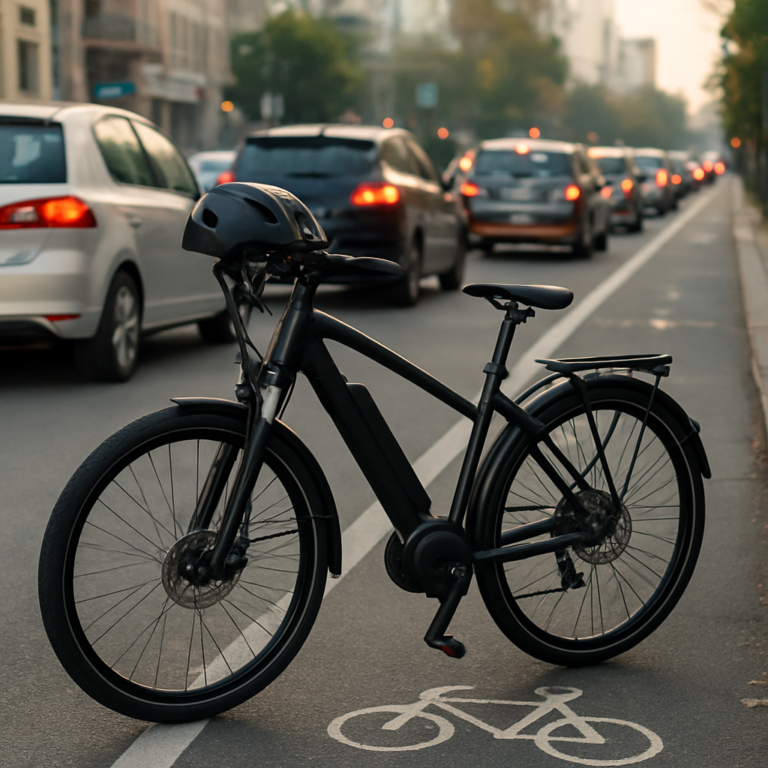
This is the one nobody talks about. Wind resistance doesn’t increase at a steady rate; it increases exponentially as you go faster. Riding at 28 mph (Class 3) uses significantly more than double the energy of riding at 14 mph. If you’re riding into a 15 mph headwind, your motor is working twice as hard just to keep you moving forward.
4. Stop-and-Go Traffic
Just like a car, an e-bike uses the most energy during acceleration. If you are constantly stopping at red lights and then using the “Turbo” mode to get back up to speed, you are burning through cycles. Smooth, sustained speed is the secret to a long-lasting charge.
Real-World Estimates: What Can You Actually Expect?
Let’s get practical. If you aren’t a scientist and you just want to know how far can an electric bike go on one charge, here are the tiers I usually tell people to expect:
| Battery Size | Heavy Assist / Hills | Moderate Assist / Flat | Eco Mode / Pro Cyclist |
| 400Wh | 15–20 Miles | 25–35 Miles | 40+ Miles |
| 500Wh | 20–25 Miles | 35–45 Miles | 55+ Miles |
| 750Wh | 30–40 Miles | 50–65 Miles | 80+ Miles |
Note: These are estimates for a standard 180lb rider. Your mileage will vary!
How to “Stretch” Your Charge (Pro Tips)
If you find yourself frequently running low, you don’t necessarily need a bigger battery. You might just need better habits. Here is how I’ve managed to get an extra 10 miles out of a “dead” looking battery:
-
Use Your Gears! Many people treat an e-bike like a scooter, staying in the highest gear and letting the motor do the work. This is a battery killer. If you shift into a lower gear when starting or climbing, you save the motor from a high-torque draw.
-
Tire Pressure is Free Range: Soft tires have a high “rolling resistance.” They’re like riding through sand. Inflating your tires to the maximum recommended PSI can actually add 2–4 miles to your total distance.
-
The “80% Rule” for Starts: Instead of using the throttle or max assist to get moving from a dead stop, give the bike two good “human” pedal strokes first. Once you have momentum, let the motor take over.
-
Keep it Clean: A dirty, gunky chain creates friction. A well-lubricated drivetrain is an efficient drivetrain.
The Weather Trap: Winter vs. Summer
Lithium-ion batteries are like humans: they hate being cold. When the temperature drops below 40°F (4°C), the chemical reactions inside the battery slow down. In my experience riding through January, I typically lose about 20% of my range compared to a sunny July day.
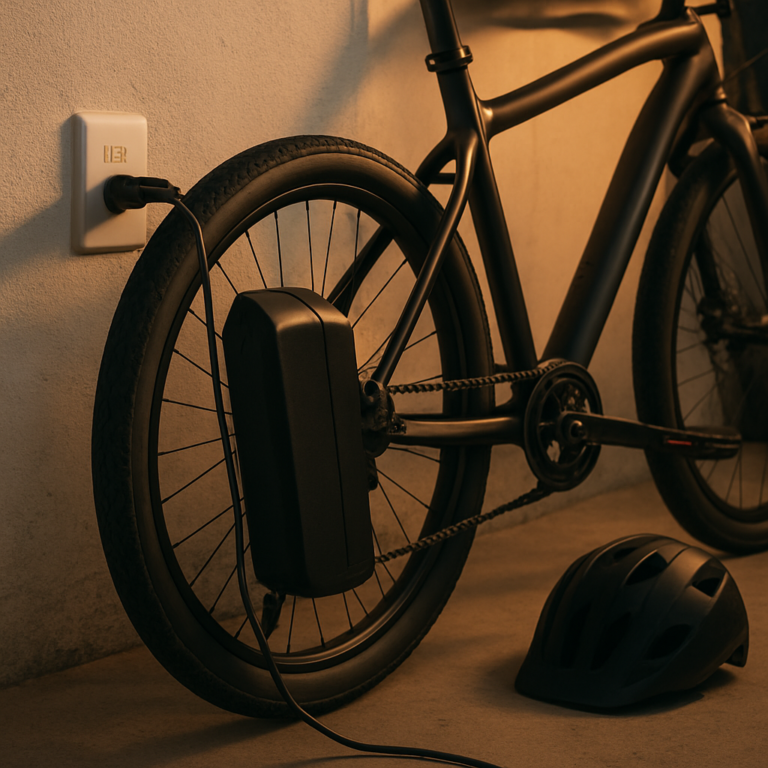
If you are wondering how far can an electric bike go on one charge during a snowy winter, the answer is “significantly less.” Always store your battery inside your house during the winter, and only click it onto the bike right before you ride. This keeps the “core” of the battery warm for a few extra miles.
Final Thoughts: Don’t Chase the Number
At the end of the day, range is just a tool to get you where you’re going. Most people find that a 30-mile real-world range is more than enough for 90% of their trips. We tend to over-buy battery capacity “just in case,” but that adds weight and cost to the bike.
The best way to figure out how far can an electric bike go on one charge for your specific life is to do a test run. Take your bike out on a weekend, ride your commute, and see where the battery lands. Once you know your “real” number, the anxiety disappears, and the fun begins.
This article was written by SDinformation. We are dedicated to providing clear, experience-based advice to help you navigate the world of electric mobility. Now that you know how far can an electric bike go on one charge, are you ready to plan your first long-distance trek?
About The Author

Search Anything
Search any topic — insurance, loans, travel, technology, health, and more.