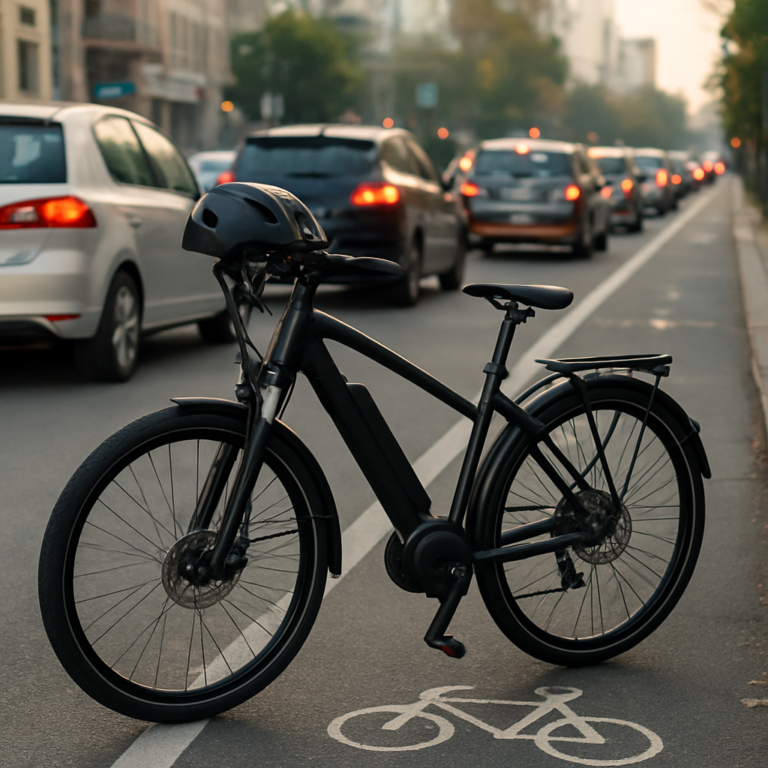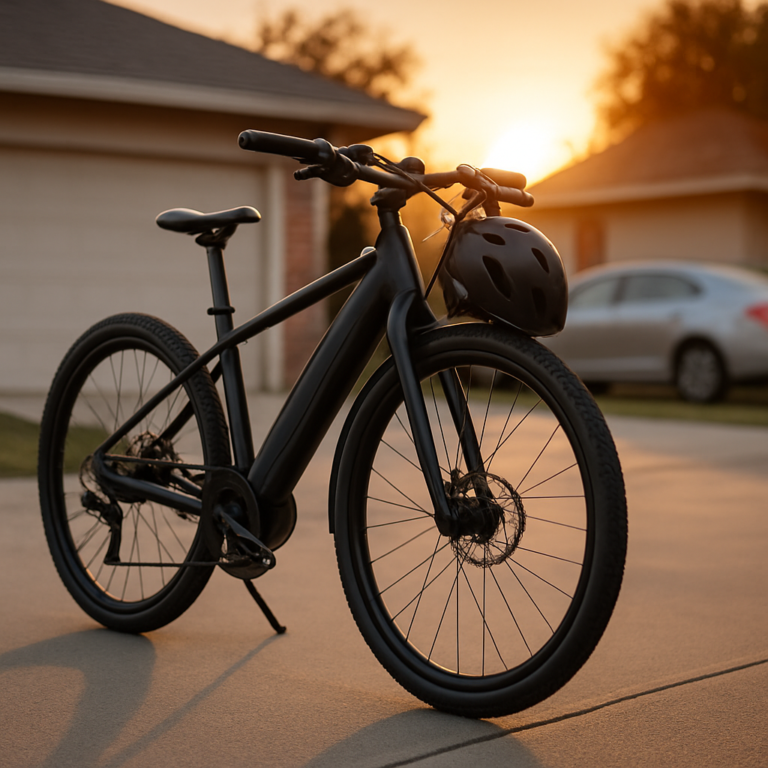
Electric bike technology is transforming urban transportation with smart batteries, digital systems, and sustainable mobility solutions.
Electric bike technology has fundamentally shifted how we think about personal transportation, turning the grueling task of pedaling against a headwind into a smooth, almost effortless glide. If you’ve ever hopped on one, you know that distinct feeling—the moment you push the pedal and feel an invisible hand give you a firm, helpful shove forward. It’s a sensation that bridges the gap between a traditional bicycle and a small electric vehicle, but the engineering required to make that transition feel “natural” is incredibly complex. We are no longer just looking at a frame with a motor bolted onto it; we are looking at a highly integrated system of sensors, lithium chemistry, and software.
The rapid evolution of electric bike technology is driven by a simple goal: making the ride feel like you, just on your best possible day. Whether you’re a commuter trying to get to the office without needing a shower, or a mountain biker looking to get three times the downhill runs in a single afternoon, the tech under the hood is what makes it happen. To truly appreciate these machines, we need to pull back the curtain and look at the components that have turned the humble bicycle into a high-tech powerhouse.
The Power Unit: Evolution of the E-Bike Motor
At the core of the experience is the drive unit. In the early days, motors were bulky and often felt jerky, providing power in “all or nothing” bursts. Today, electric bike technology has refined these into three distinct categories, each catering to a different type of rider.
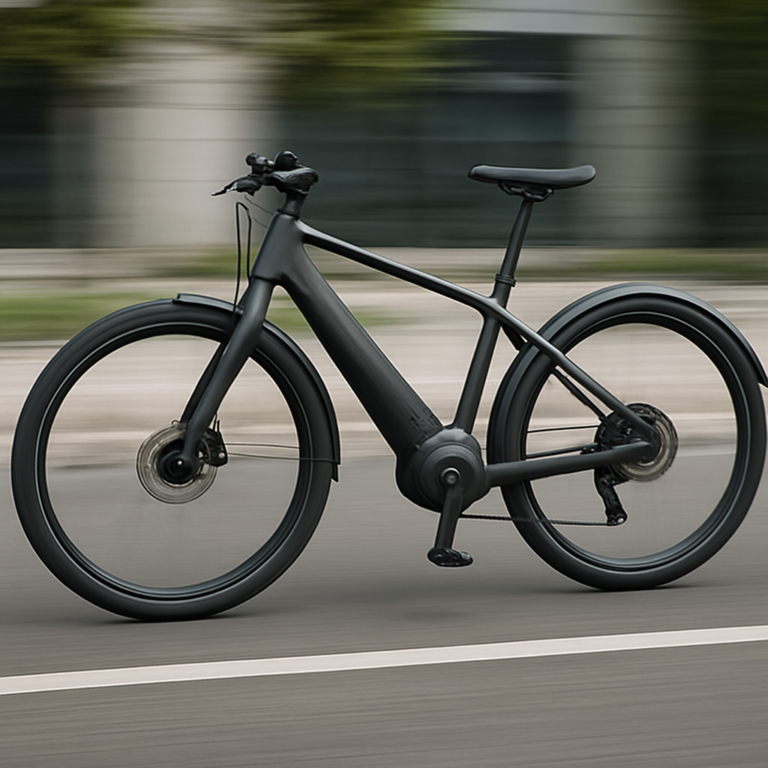
1. Mid-Drive Motors: The Gold Standard for Balance Located right at the crank (where your pedals are), mid-drive motors are widely considered the pinnacle of design for high-performance bikes. By placing the weight low and centered, the bike remains easy to handle. More importantly, these motors drive the chain directly. This allows the motor to take advantage of the bike’s existing gears. Just as you shift into a lower gear to climb a steep hill, the motor can do the same, maximizing its torque without overheating.
2. Hub Motors: Reliability and Simplicity Positioned in the center of the rear or front wheel, hub motors are the workhorses of the urban commuting world. They operate independently of the chain and gears. This means if your chain snaps, you can often still “throttle” your way home. Because they are sealed units, they require almost zero maintenance, making them a favorite for those who want a bike that just works every time they hit the power button.
3. Friction Drives: The Retrofit Solution While less common today, friction drives represent a clever bit of engineering where a motorized roller sits against the rear tire. While less efficient in the rain, they are a testament to the versatility inherent in the history of electric bike technology.
Energy Density: How Batteries Changed the Game
If you asked an engineer twenty years ago why e-bikes weren’t popular, they would have pointed to the battery. Lead-acid batteries were heavy, ugly, and died quickly. The explosion in electric bike technology we see today is almost entirely thanks to the refinement of Lithium-Ion (Li-ion) cells.
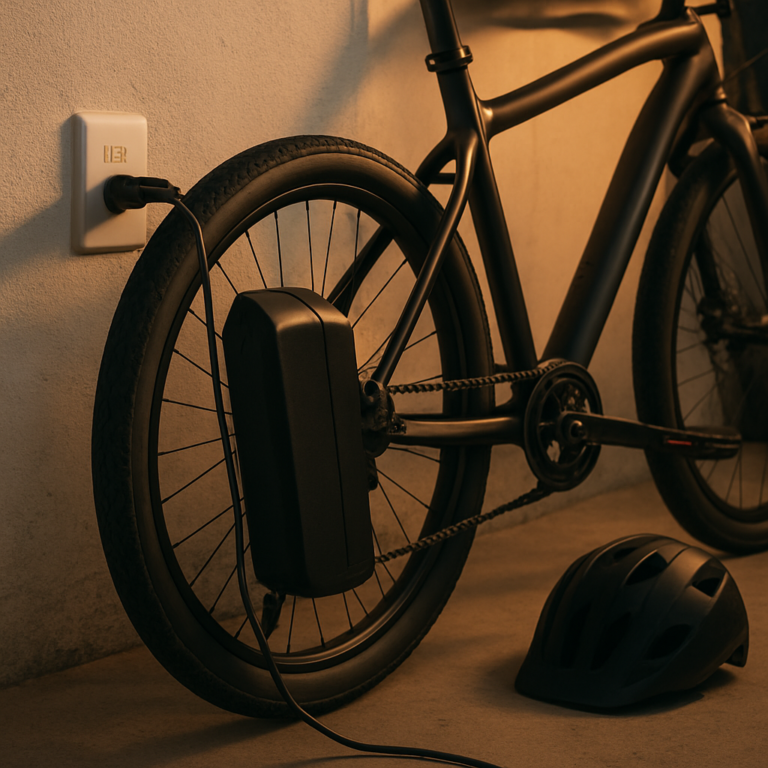
Modern e-bike batteries are marvels of energy density. They are essentially packs of hundreds of small “18650” or “21700” cells—the same ones found in high-end electric cars—wired together to provide a balance of voltage and capacity.
Search more topics
Explore related answers and trending queries in seconds.
-
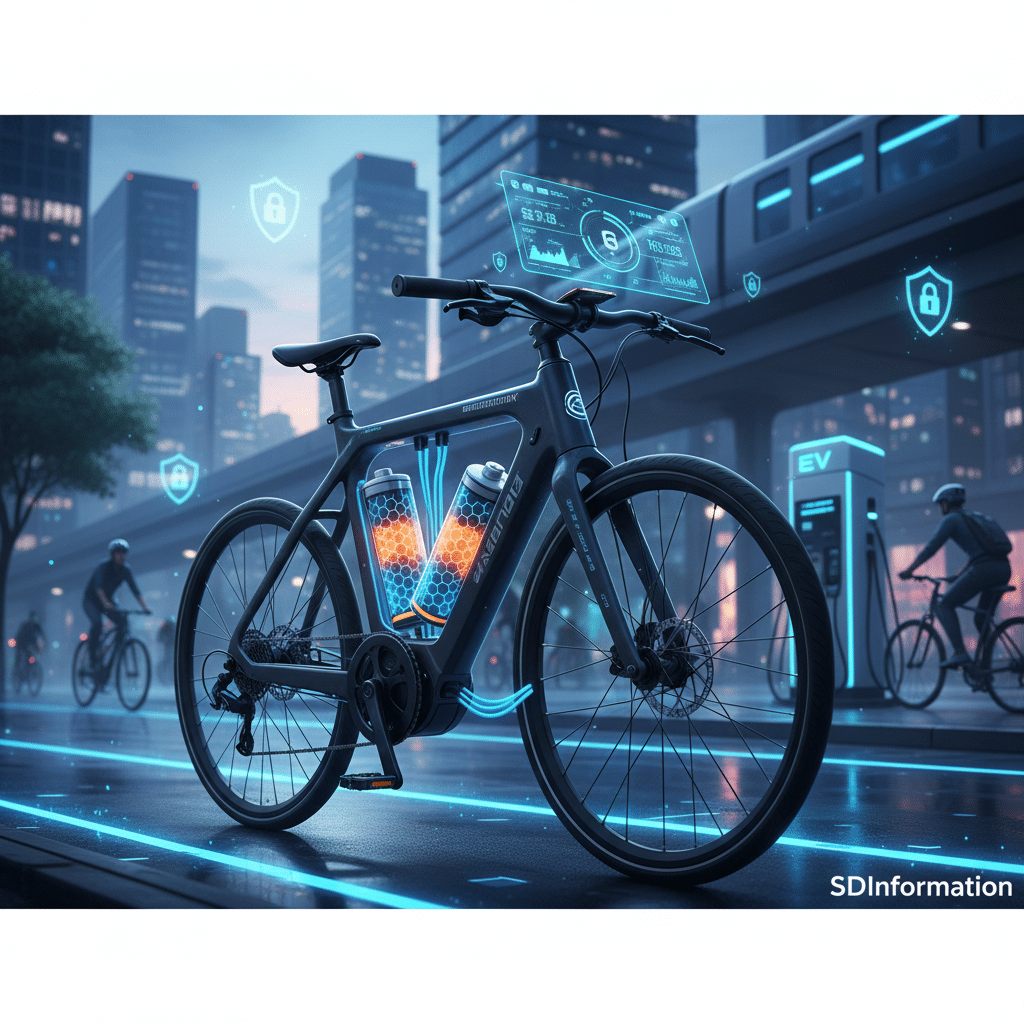
Integrated Design: Gone are the days of the “silver fish” battery box hanging off the back rack. Most modern frames now feature “internalized” batteries. This doesn’t just look better; it protects the cells from the elements and lowers the center of gravity, making the bike feel less like a heavy scooter and more like a nimble bicycle.
-
BMS (Battery Management System): This is the unsung hero of the system. A sophisticated BMS monitors every individual cell, ensuring they charge and discharge evenly. It prevents overheating, overcharging, and deep discharge, extending the life of your expensive battery from a couple of years to potentially a decade of regular use.
-
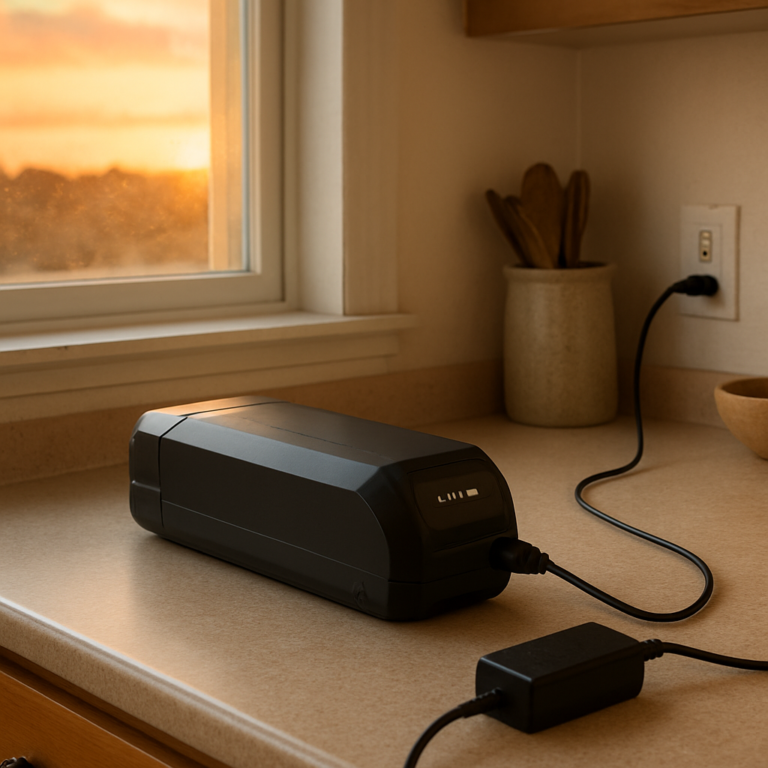
Charging Speeds: We are now seeing “Smart Chargers” that can juice a battery to 80% in under two hours, meaning a quick lunch break is enough to add another 20 miles of range to your journey.
The “Brain”: Sensors and Real-Time Processing
The most impressive part of electric bike technology isn’t how much power it has, but how it delivers that power. A bike that lurches forward the moment you touch the pedal is dangerous. A bike that feels like an extension of your own muscles is a masterpiece.
This “natural” feel is achieved through two main types of sensors:
-
Cadence Sensors: These are the simpler version. They detect if the pedals are turning. If you’re pedaling, the motor turns on; if you stop, it turns off. While effective, it can feel a bit “on or off.”
-
Torque Sensors: This is where the real magic happens. A torque sensor measures exactly how much pressure you are applying to the pedal. If you push harder to get across an intersection, the motor instantly mirrors your effort with a proportional boost. This creates a seamless synergy between human and machine that makes you feel like you have “superhuman” legs rather than a motorized assist.
Controllers have also become significantly more “intelligent.” They now use Sine-Wave technology to manage the electricity flowing to the motor, making the operation nearly silent. No more loud, high-pitched whirring—just a quiet hum as you accelerate.
Connectivity and the “Smart” E-Bike
We are currently entering the era of the “Connected Bike.” Electric bike technology has moved beyond the hardware and into the cloud. Many modern e-bikes now come with integrated GPS and Bluetooth.
Imagine a bike that automatically locks its motor if it senses it’s being moved without your phone nearby. Or a system that tracks your heart rate and adjusts the motor assistance level to keep you in a specific “fitness zone.” These aren’t hypothetical features; they are available on the market right now. Smartphone integration allows riders to customize the “tune” of their motor, deciding if they want a punchy, aggressive takeoff or a slow, battery-saving ramp-up of power.
Impact on Sustainability and Urban Life
The ripple effect of electric bike technology goes far beyond the individual rider. We are seeing a complete redesign of urban infrastructure because of these machines. “Cargo bikes” powered by heavy-duty mid-drive motors are replacing delivery vans in crowded European and American cities. They can carry 400 pounds of groceries or two children without breaking a sweat, all while taking up a fraction of the road space.
From an environmental standpoint, the efficiency is staggering. An e-bike can travel roughly 30 to 50 miles on about 5 to 10 cents worth of electricity. When compared to the resource-heavy production and operation of an electric SUV, the e-bike is arguably the most “green” motorized transport ever invented.
Looking Toward the Horizon
What’s next? The frontier of electric bike technology is currently focused on solid-state batteries and regenerative braking. While regenerative braking (charging the battery while slowing down) is difficult on a light vehicle like a bike, engineers are finding ways to make it viable for hilly commutes.
We are also seeing the rise of ABS (Anti-lock Braking Systems) for bikes. Using the same logic found in cars, these systems prevent the front wheel from locking up during an emergency stop on wet pavement, drastically reducing accidents for new riders.
The future of cycling is undoubtedly electric. It’s a tool that removes the barriers to entry—age, fitness level, and geography—allowing more people to experience the world from two wheels. Whether you are using it for utility or pure adrenaline, the technology inside that frame is working tirelessly to make sure your ride is as smooth, safe, and enjoyable as possible.
Educational Note: The information provided in this article is for educational purposes only by SDInformation. When exploring new electric bike technology, always consult with certified manufacturers and follow local safety regulations regarding e-bike classifications and battery maintenance.
About The Author

Search Anything
Search any topic — insurance, loans, travel, technology, health, and more.