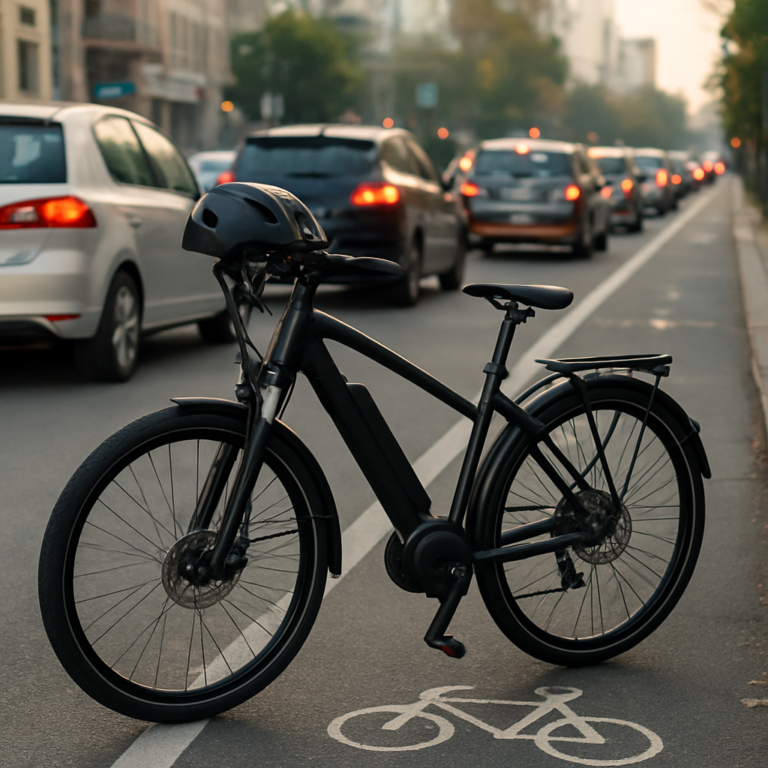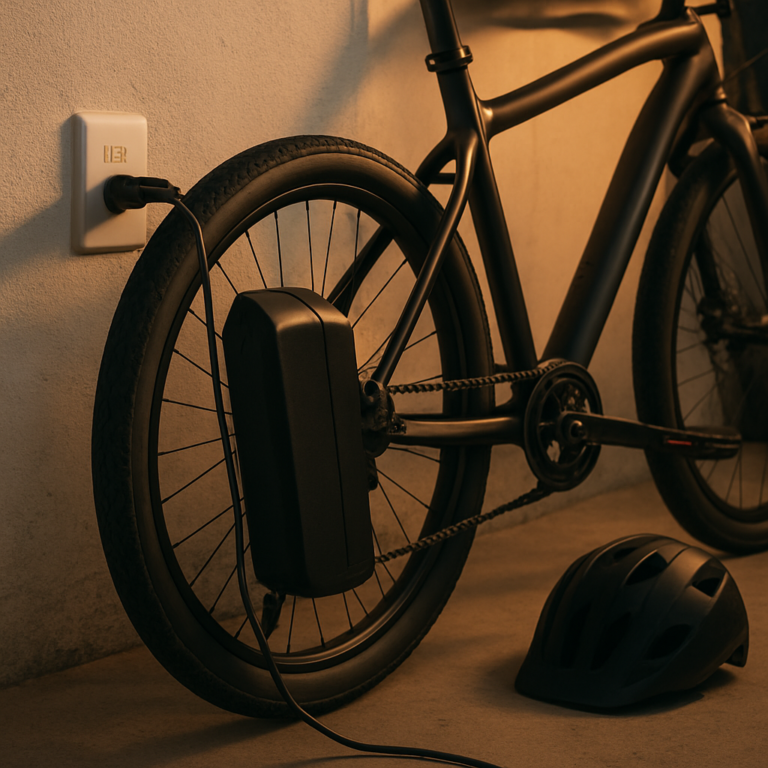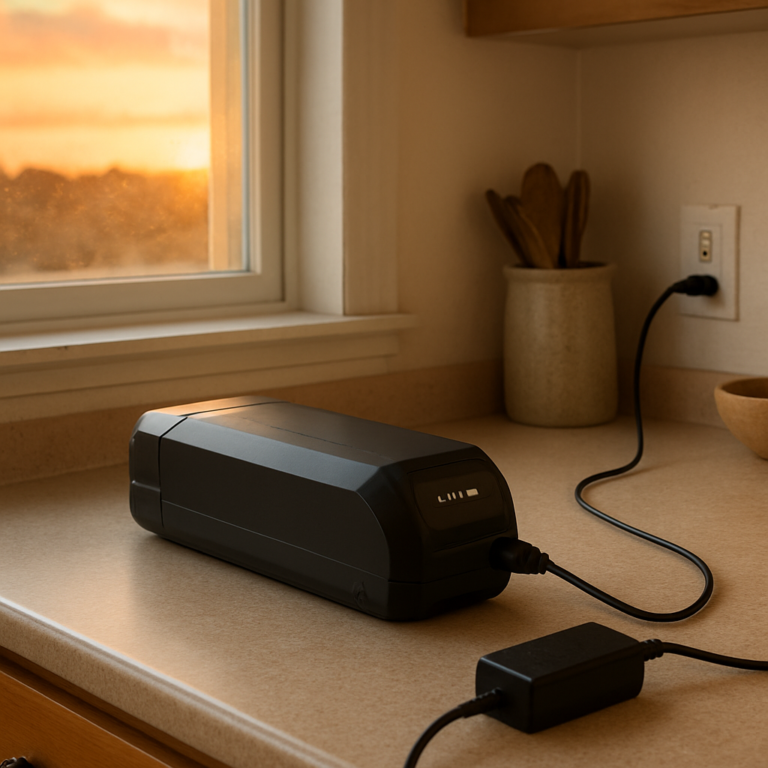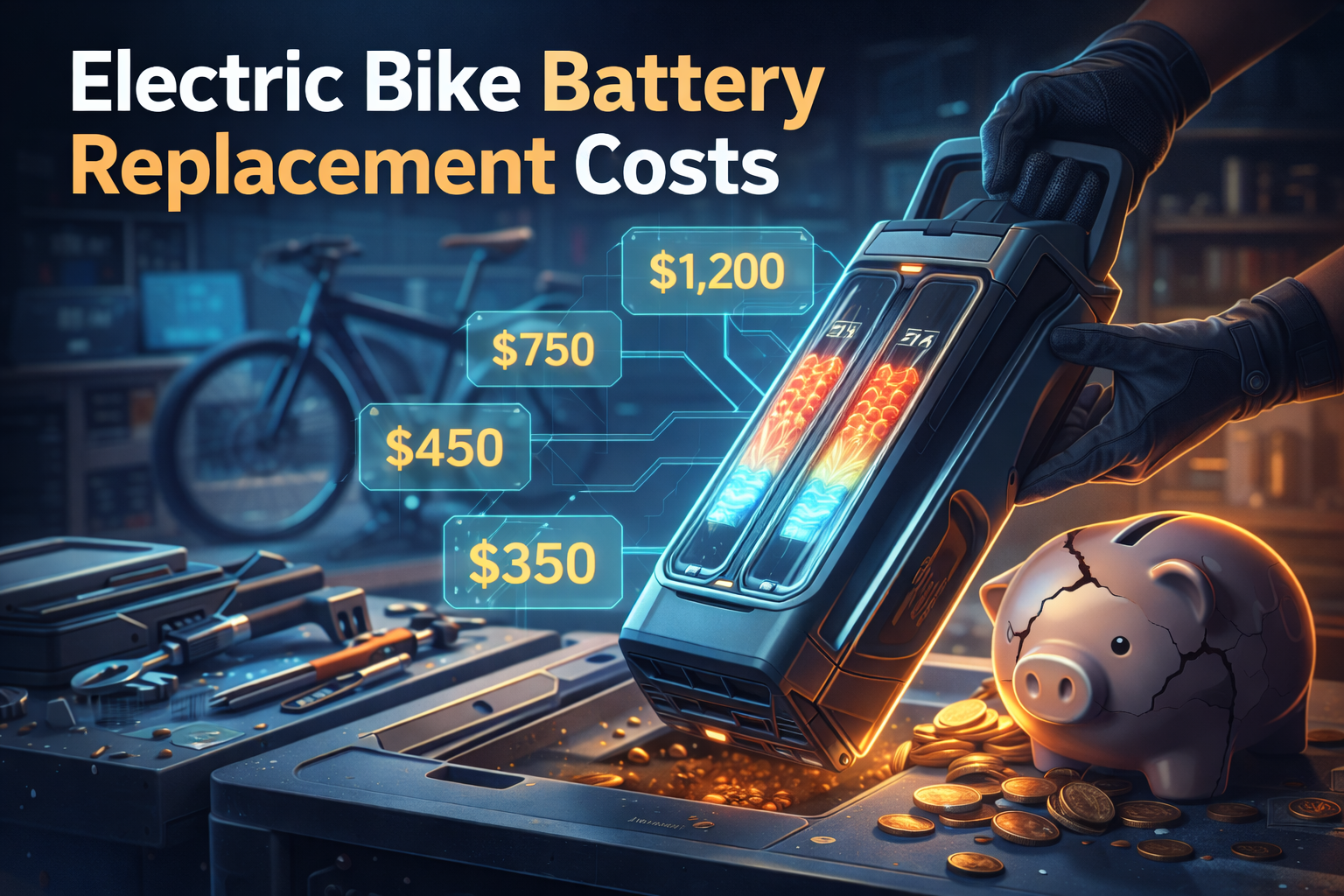
Electric bike battery replacement can be costly, with prices ranging from $350 to over $1,200 depending on capacity and technology.
Electric bike battery replacement is often the single most expensive maintenance task an e-bike owner will face, but understanding the market can save you hundreds of dollars. We have all been there: you are enjoying a smooth weekend ride when you realize your range has dropped by half, or worse, your bike won’t turn on at all. While the frame of a quality bicycle can last decades, the lithium-ion cells inside your power pack have a finite lifespan. In today’s market, a high-quality electric bike battery is a sophisticated piece of technology that requires a significant investment, often ranging from $300 to well over $1,000 depending on the specs.
Replacing your electric bike battery isn’t just about finding a box that fits; it’s about matching voltage, capacity, and safety certifications. As we move through 2026, the technology is evolving rapidly, with newer cells offering more power in smaller packages. However, this advancement comes with a price tag that can lead to “sticker shock” for the unprepared rider. In this guide, we will break down the true costs of replacement, how to spot the signs of a dying pack, and the best strategies to extend the life of your next purchase.
Why Does an Electric Bike Battery Cost So Much?
The price of a replacement pack is driven by several technical and economic factors. It is helpful to think of the battery not as a single object, but as a collection of hundreds of individual high-grade lithium cells managed by a specialized computer.
-
Cell Quality: Premium manufacturers like Bosch, Shimano, and Specialized use cells from Tier-1 suppliers like Samsung, LG, or Panasonic. These cells are tested for high discharge rates and thermal stability. A cheaper, generic electric bike battery might use unbranded cells that degrade much faster.
-
Capacity (Watt-Hours): This is essentially the “gas tank” of your bike. A 400Wh battery is significantly cheaper than a 750Wh or 1000Wh pack because it contains fewer raw materials.
-
The BMS (Battery Management System): This is the internal circuitry that prevents the battery from catching fire or overcharging. Advanced BMS units now include Bluetooth connectivity and “predictive” cell balancing, which adds to the manufacturing cost but significantly increases safety.
-
Certification and Safety: In 2026, UL 2271 and UL 2849 certifications have become the industry standard. Testing a battery to meet these rigorous fire-safety standards adds a “safety premium” to the retail price.
Breaking Down the Costs: 2026 Price Guide
When you head to the shop or look online for a new electric bike battery, you will likely find prices grouped into these three main tiers:
Search more topics
Explore related answers and trending queries in seconds.
| Battery Tier | Typical Capacity | Voltage | Estimated Cost (2026) |
| Entry-Level / Generic | 300Wh – 450Wh | 36V | $300 – $450 |
| Mid-Range / Commuter | 500Wh – 650Wh | 48V | $500 – $800 |
| Premium / High-Performance | 700Wh – 1000Wh+ | 52V+ | $900 – $1,300+ |
Pro Tip: If you own a high-end bike with a battery integrated into the frame (like a Trek or Specialized), expect to pay at the higher end of these ranges. Proprietary shapes and custom mounting hardware make these batteries more expensive to produce and stock.
When Should You Pull the Trigger on a Replacement?
Riders often wonder if they can “squeeze” another year out of their current setup. Here are the three non-negotiable signs that your electric bike battery needs to be retired:
-
The 30% Range Drop: If you used to make it to work and back on one charge but now find the bike dying halfway home, the internal cells have likely reached their “end of life” (usually around 500–1,000 full charge cycles).
-
Inconsistent Power Delivery: If your bike feels “punchy” when full but sluggish once it hits 50%, the battery is struggling to maintain the required voltage under load.
-
Physical Deformity: Any swelling, “bulging,” or a strange chemical smell is an immediate fire hazard. If you see this, stop using the battery immediately and take it to a certified recycling center.
Refurbishing vs. Buying New: Is it Worth It?
A growing trend in the e-bike community is “battery reconditioning.” This involves a technician opening up your old casing and replacing only the dead lithium cells while keeping the original shell and BMS.
-
The Pros: It can save you 20% to 40% compared to a brand-new OEM (Original Equipment Manufacturer) pack. It is also much better for the environment as it reduces plastic and electronic waste.
-
The Cons: It often voids your bike’s warranty. Furthermore, if the technician uses low-quality cells, the “rebuilt” electric bike battery might not have the same safety protections as a factory-new unit. Only use reputable shops that offer a warranty on their work.
How to Save Money and Protect Your Investment
If you have just spent $700 on a new electric bike battery, the last thing you want to do is kill it in two years through poor maintenance. Lithium-ion batteries are like living organisms—they thrive in specific conditions.
-
The 20-80 Rule: For daily use, try to keep your charge between 20% and 80%. Charging to 100% and leaving it there for days creates “voltage stress” on the cells. Only charge to 100% right before a long ride.
-
Temperature Control: Never charge your battery in a freezing garage or a hot car. Lithium batteries hate temperature extremes. If it’s too cold to be comfortable for you, it’s too cold for your battery.
-
Storage Secrets: If you aren’t riding for the winter, store the battery at roughly 50% charge. Storing it at 0% can lead to a “deep discharge” state where the battery becomes a “brick” and won’t ever wake up again.
-
Clean the Terminals: A tiny bit of corrosion on the metal contact points can cause resistance, making your motor work harder and generating excess heat. Wipe them down with a dry cloth or specialized contact cleaner every few months.
The Final Verdict: Is it Time for a New Bike Instead?
This is a common dilemma. If your e-bike is five years old and needs an $800 electric bike battery, but the motor is also making noise and the brakes are shot, you might be better off putting that money toward a new model.
However, for most riders, a new battery is a brilliant investment. It effectively “resets” the life of your bike. With a fresh electric bike battery, you get back that “new bike” feel—the instant acceleration, the long-distance confidence, and the reliability that made you fall in love with e-biking in the first place.
This educational article was brought to you by SDInformation. Our goal is to empower riders with the technical knowledge to keep their wheels turning efficiently.
About The Author

Search Anything
Search any topic — insurance, loans, travel, technology, health, and more.