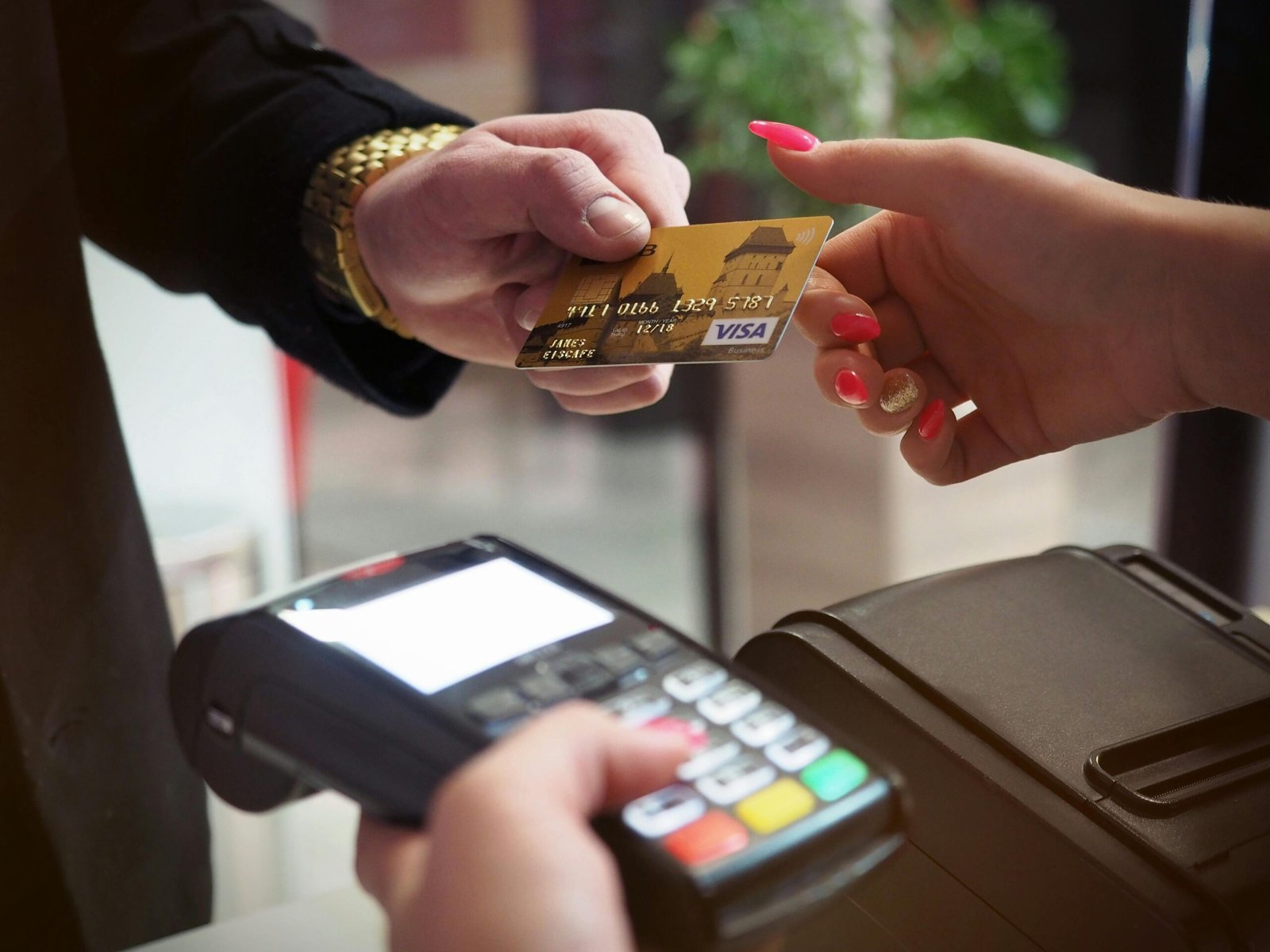
Debit and credit cards are among the most commonly used payment tools today, yet many people don’t fully understand how differently they operate. Knowing when to use a debit card and when to rely on a credit card can protect your finances, strengthen your credit score, and even prevent fraud.
This debit vs credit cards guide explains the major distinctions between the two, their advantages and disadvantages, the impact of credit card debt, how card payments work in restaurants, and whether debit cards can be processed as credit. With practical examples and real-world scenarios, this guide helps you make informed decisions every time you pay.
What Is the Difference Between a Credit Card and a Debit Card?
Both cards look identical in your wallet, but the way they access money is fundamentally different.
Debit Card
A debit card draws funds directly from your checking account.
-
You can only spend the money you already have
-
No interest charges
-
Doesn’t build credit history
-
May incur overdraft fees
-
Useful for daily expenses, ATM withdrawals, and budgeting
Credit Card
A credit card lets you borrow money from a lender, up to a preset credit limit.
-
You repay the balance later
-
Builds credit score
-
Offers stronger fraud protection
-
Provides rewards (cashback, travel points, discounts)
-
Charges interest if you carry a balance
Debit vs Credit Cards: Quick Comparison
| Feature | Debit Card | Credit Card |
|---|---|---|
| Source of funds | Checking account | Lender’s credit line |
| Interest | None | Charged if balance isn’t paid |
| Credit score impact | No | Yes |
| Fraud protection | Moderate | Strong |
| Rewards | Limited | Frequent rewards programs |
Understanding these differences is essential for choosing the safest and smartest payment method.
How Many People Have $10,000 in Credit Card Debt?
Credit card debt plays a major role when comparing debit vs credit cards. In the United States, millions of consumers carry substantial credit card balances.
Current Credit Card Debt Statistics
-
Average credit card balance: $6,000–$7,000
-
Millions of Americans owe $10,000 or more
-
High APR rates (20–30%) make balances grow quickly
Why So Many Accumulate Large Credit Card Balances
-
Emergencies without savings
-
Increased living costs
-
Minimum payments instead of full payoff
-
Overspending due to easy credit access
This reinforces why credit cards must be used strategically. They offer advantages, but mismanagement leads to long-term financial stress.
What Is the Downside of Using a Debit Card?
Debit cards are practical and simple, but they come with several disadvantages compared to credit cards.
1. Weaker Fraud Protection
If someone steals your debit card, the money leaves your checking account instantly.
Refunds take time, which may cause:
-
Missed bill payments
-
Overdraft fees
-
Stressful disputes
2. No Credit Score Benefits
Debit cards do not help you build a credit score, which is important for:
-
Renting apartments
-
Lowering insurance rates
-
Qualifying for mortgages
-
Securing low-interest loans
3. Limited Rewards
Most debit cards don’t offer the cashback, bonuses, or travel perks that credit cards provide.
4. Holds on Your Funds
Gas stations, hotels, and restaurants often place temporary holds on your debit card, reducing your available balance.
5. Overdraft Fees
If you spend more than your account contains, you may face a $25–$35 fee per transaction.
Debit cards are great for budgeting, but credit cards offer superior protection and benefits.
Difference Between Using a Credit Card and a Debit Card in a Restaurant
Restaurant transactions highlight the differences between debit and credit card processing.
Using a Credit Card at a Restaurant
-
The restaurant places a temporary hold that includes an estimated tip
-
The final amount posts after you sign the receipt
-
No immediate impact on your bank balance
-
Easier to dispute incorrect charges
Using a Debit Card at a Restaurant
-
The temporary hold affects your checking account balance immediately
-
If funds are low, this may create overdrafts
-
Holds may take 24–72 hours to clear
Because of this, many financial experts recommend using a credit card for restaurant dining.
Is ATM a Debit or Credit Card?
An ATM card is typically considered a debit card because it connects directly to your checking account.
ATM Card Facts
-
Requires a PIN
-
Used for withdrawals, deposits, and account access
-
Cannot usually be used for retail purchases
Debit Cards Function as ATM Cards
Most debit cards allow ATM access plus retail purchases.
Using a Credit Card at an ATM
Credit card cash advances are technically allowed, but extremely expensive because:
-
Interest begins immediately
-
High fees apply
-
No grace period
It’s rarely recommended.
Can I Use My Debit Card as Credit?
Yes — at many checkout terminals, you can choose “credit” when paying with a debit card.
What Actually Happens
-
The transaction runs through Visa or Mastercard’s credit network
-
You do not need to enter a PIN
-
Funds still come directly from your checking account
-
It does not help build your credit score
Benefits of Running Debit as Credit
-
Better fraud protection
-
Faster checkout
-
No PIN exposure
Even though it runs on the credit network, it is still a debit transaction.
Debit vs Credit Cards: When to Use Each One
Choosing the right card depends on the situation. Both have ideal use cases.
Best Times to Use a Credit Card
-
Online shopping
-
Restaurants
-
Travel and hotels
-
Car rentals
-
Large purchases requiring buyer protection
-
Earning cashback or rewards
Best Times to Use a Debit Card
-
ATM withdrawals
-
Small grocery purchases
-
Budget-conscious spending
-
When avoiding debt is the priority
A Smart Balanced Strategy
Use:
-
Credit cards for everything that benefits from protection and rewards
-
Debit cards for controlled spending and cash access
This approach combines security and financial stability.
Debit vs Credit Cards — Make the Right Choice Every Time
Understanding the differences between debit vs credit cards is essential for protecting your finances and using each card responsibly. Debit cards help you avoid debt and manage daily expenses, while credit cards provide stronger fraud protection, valuable rewards, and the ability to build credit.
Knowing when each card is appropriate — especially in restaurants, ATMs, and online purchases — helps you avoid unnecessary fees and strengthens your financial future. With a balanced approach, you can take advantage of the strengths of both debit and credit cards while minimizing risk.
About The Author