A debit card is one of the most essential tools in everyday financial life. Whether you’re paying for groceries, booking a hotel, shopping online, or withdrawing money from an ATM, your debit card acts as a secure gateway to your bank account. With digital banking growing worldwide and payment networks expanding, understanding how debit cards work—and how they differ across regions—has become more important than ever.
This guide brings clarity to what a debit card is, how it compares to credit and ATM cards, what it means in countries like Germany, and what fees or policies you should expect. If you want a practical, consumer-friendly explanation rooted in real banking practices, this is the place to start.
What Is a Debit Card? A Simple yet Powerful Payment Tool
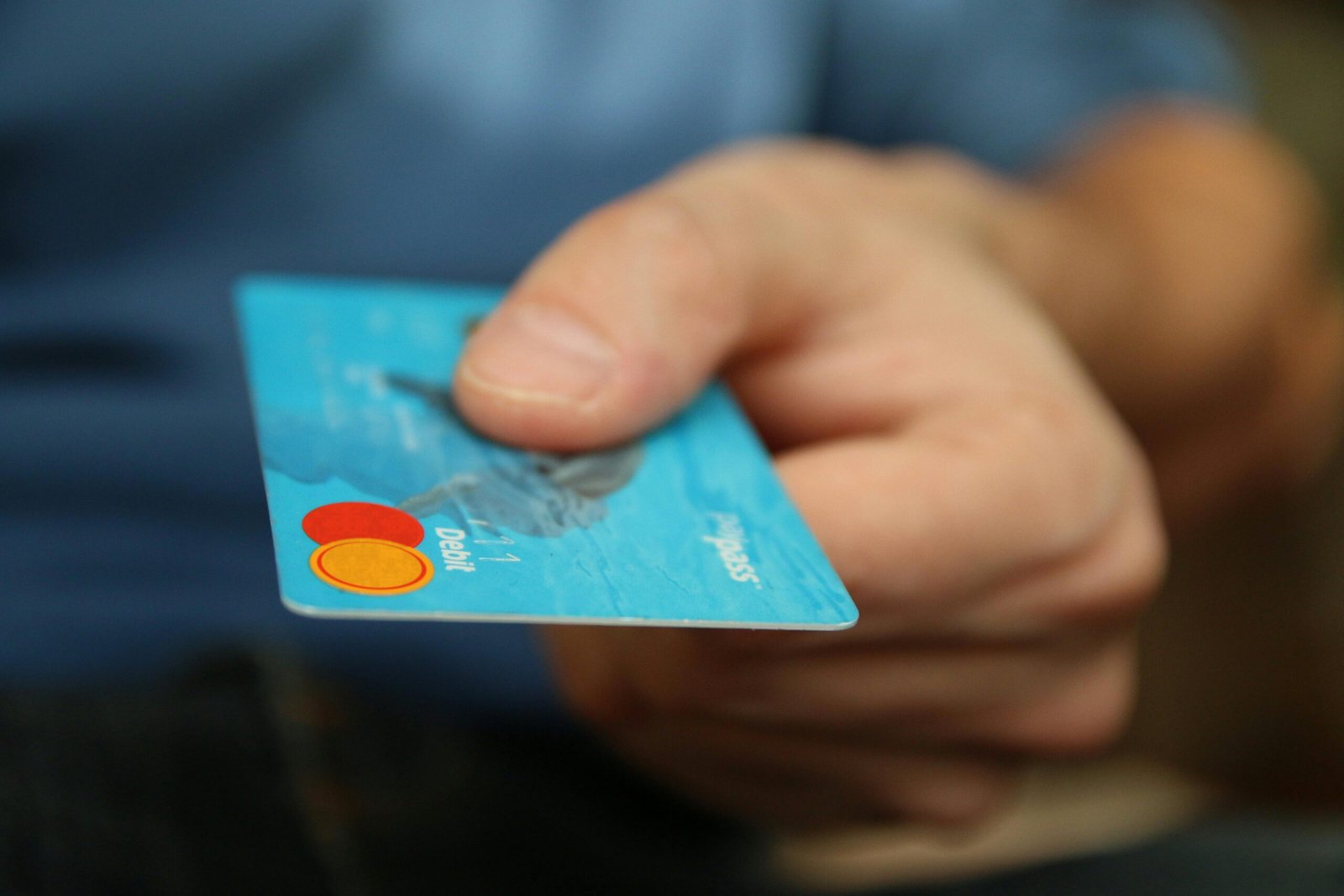
A debit card is a payment card linked directly to your checking or savings account. When you use it, money is deducted instantly from your available balance. You’re spending your own funds—no borrowing, no interest, and no monthly repayment cycle.
A modern debit card typically includes:
-
An EMV chip for secure transactions
-
A PIN code for ATM withdrawals
-
A payment network logo such as Visa, Mastercard, or Maestro
-
Contactless tap-to-pay capability
-
Online and in-store purchase support
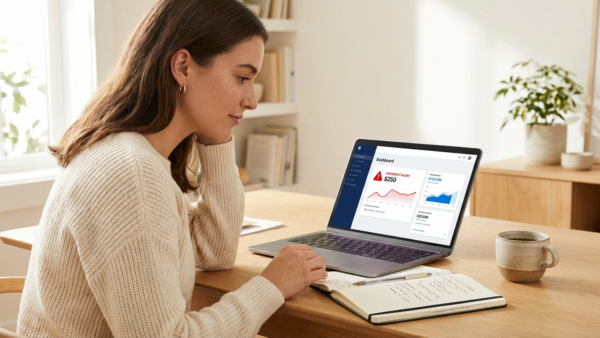
Because spending comes directly from your account, debit cards make budgeting easier. Every transaction appears immediately in your mobile banking app, giving you real-time visibility and control.
Debit Card vs. Credit Card: Why the Difference Matters
Debit and credit cards look alike, but their financial impact is completely different.
Debit Card
-
Uses your money
-
No interest or borrowing
-
Keeps spending under control
-
Ideal for everyday purchases, bills, and ATM access
Credit Card
-
Uses borrowed funds from the card issuer
-
Requires monthly repayment
-
Can accumulate interest if unpaid
-
Helps build a credit score
-
Often includes rewards, cashback, or travel benefits
Which Card Should You Use?
Most people use both strategically:
-
Debit for daily living expenses, groceries, subscriptions, and cash withdrawals
-
Credit for large purchases, travel, hotel deposits, and building financial history
Understanding each card’s purpose prevents unnecessary debt and improves overall money management.
Is an ATM Card the Same as a Debit Card? Not Exactly
The terms are often mixed up, but they’re not identical.
ATM Card
-
Designed primarily for cash withdrawals
-
Limited or no ability to make purchases
-
Requires a PIN for every use
Debit Card
-
Works at ATMs and everywhere payment cards are accepted
-
Supported by major networks like Visa Debit and Mastercard Debit
-
Usable online, in-store, internationally, and for recurring payments
Today, standalone ATM cards are less common because debit cards provide a more complete banking experience.
Debit Cards in Germany: Understanding Girocard and International Systems
Germany has one of the most unique banking structures in Europe, and debit cards work differently there compared to other countries.
Girocard (EC-Karte)
-
The most widely used payment card in Germany
-
Works perfectly in German stores and ATMs
-
Not fully supported for international online purchases
-
Low merchant fees, making it popular in the local economy
Visa Debit & Mastercard Debit
Most German banks now issue dual-function cards:
-
Girocard for domestic use
-
Visa Debit or Mastercard Debit for international and online payments
This combination provides strong local acceptance while unlocking global usability.
So, when asking “What is a debit card in Germany?”, the accurate explanation is:
A German debit card is typically a Girocard enhanced with Visa or Mastercard functionality, offering both local reliability and international compatibility.
Do You Pay Monthly for a Debit Card?
Debit cards usually do not have a personal monthly fee, but they can be attached to bank accounts that charge maintenance fees.
Common debit card–related costs include:
-
Account maintenance fees (varies by bank and country)
-
Out-of-network ATM withdrawal fees
-
Foreign transaction fees (typically 1–3%)
-
Replacement card fee
-
Inactivity fee (rare but exists in some regions)
Banks may waive fees when you maintain a minimum balance or receive direct deposits. Many digital banks now offer zero-fee debit cards with generous ATM access.
Are Debit Cards and Visa the Same? Understanding Payment Networks
“Debit” describes the type of card, while Visa is a payment network.
Debit Card
-
Pulls funds directly from your bank account
-
Defined by how you pay
Visa
-
Processes the transaction
-
Determines global acceptance
-
Offers security features and fraud protection
The same applies to other networks:
-
Mastercard Debit
This means a Visa Debit card is still a debit card—it just uses Visa’s network to complete your purchase.
Benefits of Using a Debit Card
Debit cards remain one of the most reliable financial tools for simple, secure everyday spending.
1. No Debt or Interest
Because you spend only what you have, there’s no risk of accumulating a balance.
2. High Acceptance and Convenience
Debit cards work in stores, online, and at ATMs worldwide.
3. Instant Transaction Visibility
Mobile banking apps allow real-time monitoring.
4. Strong Fraud Protection
Payment networks offer zero-liability policies for unauthorized charges.
5. Better Budgeting
Perfect for students, families, and anyone wanting financial discipline.
Common Misunderstandings About Debit Cards
“Debit cards don’t work online.”
They do—especially Visa Debit and Mastercard Debit, which work like credit cards in online checkouts.
“Debit cards don’t offer security.”
Modern cards use EMV chips, tokenization, and fraud monitoring.
“Debit usage builds credit history.”
It does not. Only credit card payments affect your credit score.
Choosing the Best Debit Card for Your Needs
Not all debit cards are created equal. When picking one, compare:
-
ATM network size
-
Cash withdrawal limits
-
Foreign transaction fees
-
Mobile app features
-
Payment network (Visa, Mastercard, etc.)
-
Security tools and alerts
-
Cashback or reward options
-
International acceptance
Digital-first banks often offer the most flexible and affordable debit card solutions.
Why Debit Cards Remain Essential in Modern Money Management
A debit card is more than a piece of plastic—it is a secure, globally recognized financial tool that fits seamlessly into everyday life. Whether you’re using a Visa Debit card for international shopping, a Mastercard Debit for travel, or a Girocard in Germany for local payments, the underlying purpose remains the same: safe, simple, real-time access to your own money.
As payment systems evolve, debit cards continue to offer the perfect balance between convenience, financial control, and security—making them a foundation of personal banking for millions of people worldwide.
About The Author