
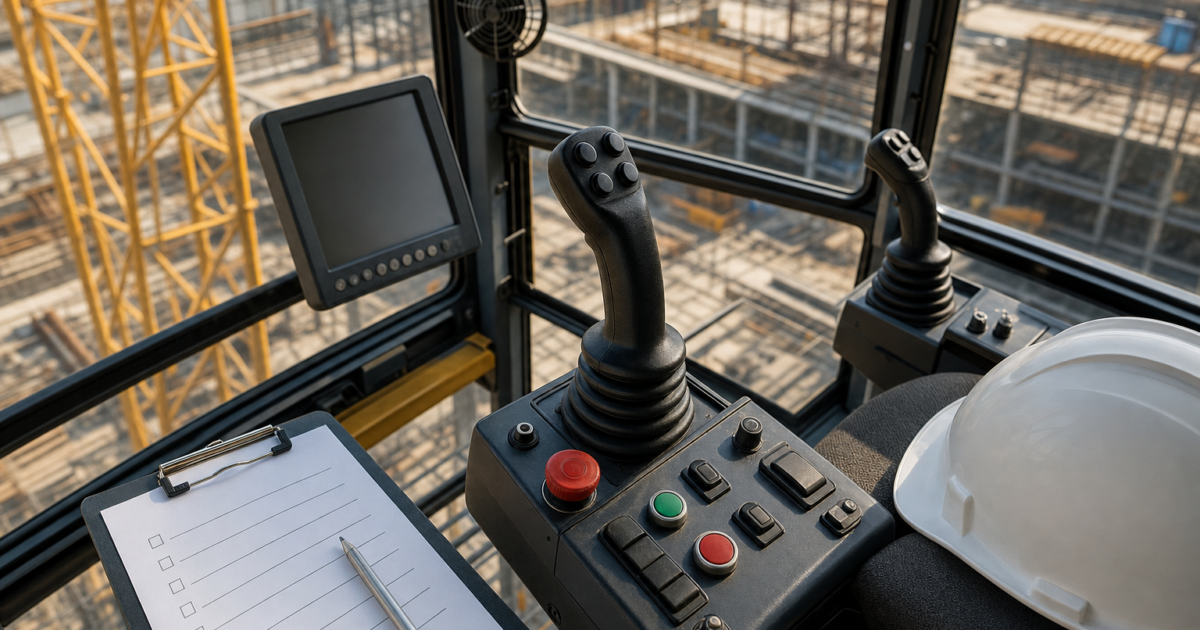
Becoming a crane operator is one of the most reliable paths into skilled construction work without needing a four-year degree. Crane operators earn strong wages, work on impressive projects, and enjoy a career with clear advancement potential. Whether you are drawn to the machinery, the outdoor work environment, or the solid paycheck, this guide walks you through everything you need to know to get started. HVAC jobs
Why Choose a Career as a Crane Operator
Crane operation is one of the most respected and well-compensated careers in the construction and industrial sectors. Crane operators are responsible for lifting, moving, and placing heavy materials using tower cranes, mobile cranes, and other specialized equipment. It is a role that combines technical skill, sharp focus, and a strong commitment to safety. For those who enjoy hands-on work and want a stable career without a four-year college degree, crane operation offers an excellent path forward.
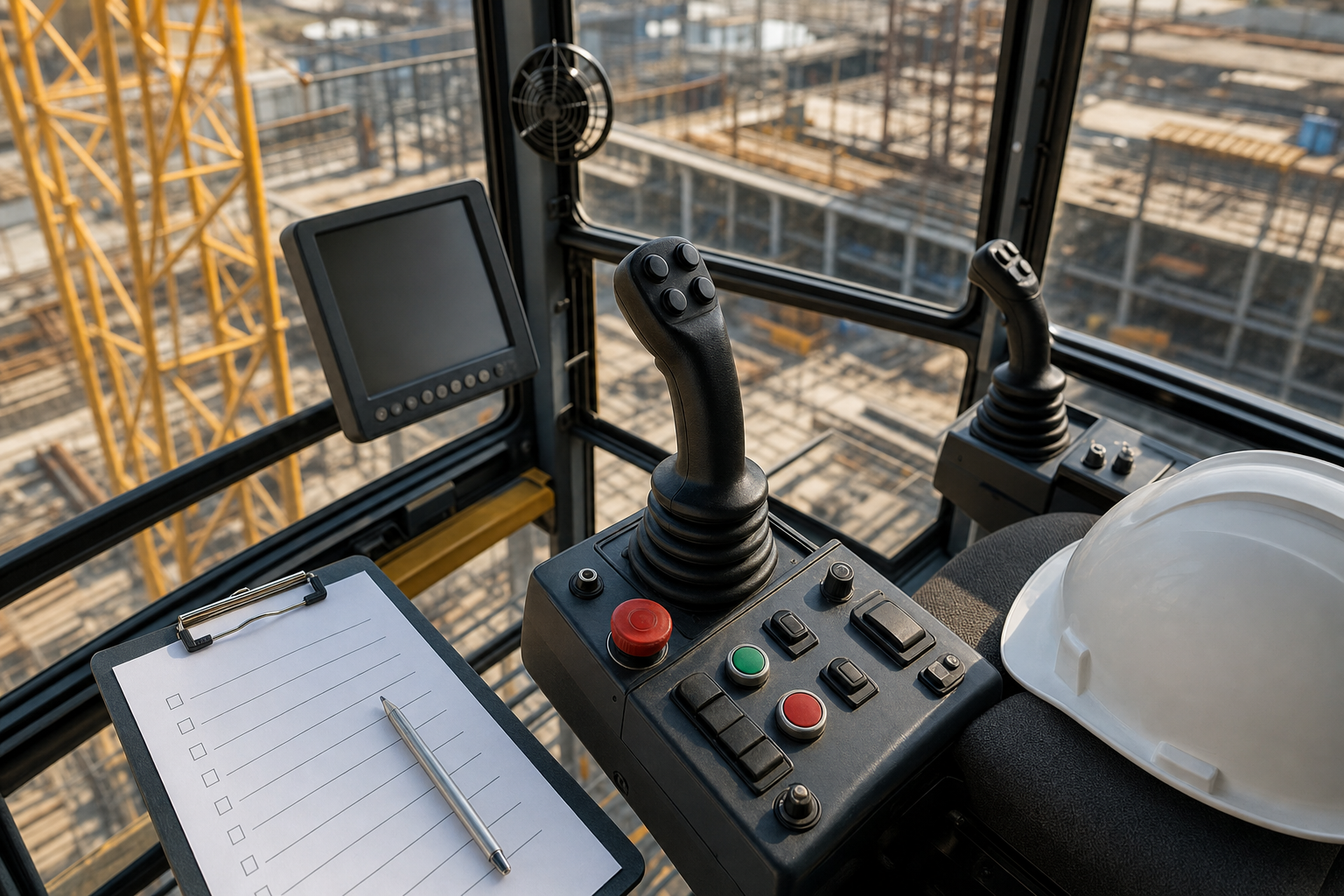
The demand for qualified crane operators continues to grow as infrastructure projects, commercial construction, and industrial facilities expand across the country. According to the Bureau of Labor Statistics, employment for crane operators is projected to grow steadily over the next decade. This means job security, competitive wages, and opportunities for advancement. Many operators start their careers through apprenticeship programs and go on to earn strong incomes with experience. The construction industry relies heavily on skilled operators who can handle complex lifts safely and efficiently.
What Does a Crane Operator Do on a Typical Day
Crane operators handle a wide range of responsibilities depending on the job site and equipment type. On a typical day, an operator inspects the crane before use, reviews the lift plan, communicates with ground crew using hand signals or radio, and operates controls to lift and position loads with precision. Operators must be aware of load weight, wind conditions, power lines, and other hazards at all times. Safety checks are performed at the start of every shift to ensure all equipment is functioning properly.
There are several types of cranes an operator might work with. Mobile cranes are mounted on trucks and used for projects that require movement between sites. Tower cranes are fixed to the ground and commonly used in high-rise construction. Overhead cranes are found in factories and warehouses for moving heavy materials indoors. Each type requires specific training and certification. Some operators specialize in one type of crane, while others become versatile across multiple types, which can lead to more job opportunities and higher pay.
Steps to Become a Crane Operator
Meet the Basic Requirements
Most employers require crane operators to be at least 18 years old, have a high school diploma or GED, and pass a physical exam. Good vision, hand-eye coordination, and the ability to work at heights are essential. A clean driving record is also important since many crane operators need a commercial driver’s license to transport equipment between job sites. Some employers also require drug testing and background checks as part of the hiring process. These basic requirements ensure that operators can handle the physical and mental demands of the job.
Complete a Training Program or Apprenticeship
The most common path to becoming a crane operator is through a registered apprenticeship program. These programs combine paid on-the-job training with classroom instruction and typically last three to four years. Apprentices learn crane setup, rigging techniques, load calculations, safety protocols, and equipment maintenance. Organizations like the National Commission for the Certification of Crane Operators and local union training centers offer accredited programs across the country. Apprentices earn while they learn, making this a practical option for those who cannot afford to take time off from work.
Vocational schools and community colleges also offer crane operation programs that can be completed in several months. While these provide a strong foundation, most employers still prefer candidates who have completed an apprenticeship or have significant hands-on experience. Online courses can supplement classroom learning, but hands-on practice is irreplaceable. Many aspiring operators start by working as riggers or signal persons to gain site experience before stepping into the operator role.
Get Certified
Certification is required for most crane operator jobs. The most widely recognized certification is offered by the National Commission for the Certification of Crane Operators. This certification involves passing a written exam covering safety, load chart reading, and operational practices, as well as a practical exam demonstrating hands-on skills. Certification must be renewed every five years, and operators must meet continuing education requirements to stay current. Many states also have their own licensing requirements, so it is important to check local regulations before applying for jobs in a new area.
Gain Experience and Advance in Your Career
Entry-level crane operators typically start on smaller equipment like carry decks or small mobile cranes and work their way up to larger, more complex machines. With experience, operators can specialize in areas such as tower crane operation, heavy lift coordination, or crane inspection. Some move into supervisory roles as crane supervisors or lift directors. Others go into training positions where they teach the next generation of operators. Experienced operators with a strong safety record and advanced certifications can also start their own crane service businesses, offering flexibility and higher earning potential.
Crane Operator Salary and Job Outlook
Crane operators earn a median annual wage well above the national average for construction trades. Entry-level operators start at a lower rate, but experienced operators, especially those working on large infrastructure projects or in union positions, can earn significantly more. Overtime is common in this field and adds substantially to annual earnings. Operators in industries like oil and gas, mining, and heavy industrial construction tend to earn the highest wages. Geographic location also plays a role, with operators in urban centers and areas with active construction markets earning premium rates.
The job outlook for crane operators remains strong over the long term. Major infrastructure investments, renewable energy projects like wind farms, and commercial development continue to drive demand for skilled operators. Retiring workers are also creating openings, as many experienced operators reach retirement age. Operators who hold current certifications, have experience with modern equipment, and maintain clean safety records will have the best job prospects. The field offers stability that many other manual trades cannot match.
Essential Skills for Crane Operators
Successful crane operators share several key traits. Attention to detail is critical because a small mistake can have serious consequences for people and property. Good communication skills are essential for coordinating with ground crews, signal persons, and site supervisors using standardized hand signals or two-way radios. Mechanical aptitude helps operators troubleshoot equipment issues and perform routine maintenance checks. Physical stamina and the ability to remain calm under pressure round out the profile of a top operator. Problem-solving skills are also valuable when unexpected challenges arise on the job site.
Safety Standards and Best Practices on the Job
Safety is the number one priority on any job site involving cranes. Operators must follow strict safety standards set by the Occupational Safety and Health Administration and the American National Standards Institute. Daily equipment inspections, proper rigging techniques, load testing, and adherence to lift plans are non-negotiable. Many companies require operators to participate in regular safety training and toolbox talks to stay current with best practices. A single overlooked detail can lead to serious accidents, which is why safety protocols are taken extremely seriously in this profession.
How to Start Your Crane Operator Career Today
If you are ready to pursue a career as a crane operator, start by researching apprenticeship programs in your area. Contact local union halls, training centers, and construction companies that offer entry-level positions. Many programs have enrollment windows throughout the year, so applying early gives you an advantage. Prepare for the physical demands of the job and begin studying for the written certification exam using study guides and practice tests available through NCCCO. With determination and the right training, you can build a rewarding career that offers good pay, respect, and long-term stability in a field that values skilled professionals.
Finding Crane Operator Jobs and Opportunities
Once you have your certification, the next step is finding the right job. Many crane operators find work through union hiring halls, which maintain lists of available positions and help match qualified operators with contractors. Online job boards like Indeed, Construction Jobs, and specialized heavy equipment sites also list crane operator positions regularly. Networking with other operators and attending industry events can uncover opportunities that are not advertised publicly. Building a reputation for reliability and safety is one of the best ways to secure steady work in this field.
Experienced operators often recommend starting with a larger construction company that offers consistent work and benefits rather than jumping to the highest-paying job right away. Large contractors provide more opportunities to operate different types of cranes, gain diverse experience, and build a professional network. As you gain hours and demonstrate competence, you become more valuable to employers and can negotiate better pay and working conditions. The construction industry values operators who show up on time, follow safety protocols, and complete lifts efficiently.
Working Conditions and Lifestyle Considerations
Crane operators often work outdoors in varying weather conditions. The job requires spending long hours in the cab, which demands physical endurance and mental focus. Operators may work at significant heights and must be comfortable with that environment. The work schedule can include early mornings, overtime, and occasional weekend shifts, especially when projects are on tight deadlines. Travel is sometimes required, particularly for operators who work on infrastructure projects like bridges, dams, or wind farms that are located in remote areas. Understanding these lifestyle factors is important before committing to this career path.
Advancement Opportunities for Experienced Operators
As crane operators build experience, several advancement paths become available. Some operators become master riggers or lift directors, responsible for planning and overseeing complex lifts. Others move into crane inspection roles, where they certify equipment for safe operation. Teaching and training positions at union halls and vocational schools are another option for experienced operators who enjoy mentoring. Crane operation also provides transferable skills for related careers in equipment sales, project management, and construction supervision. Continuing education and pursuing advanced certifications keep your options open throughout your career.
About The Author
