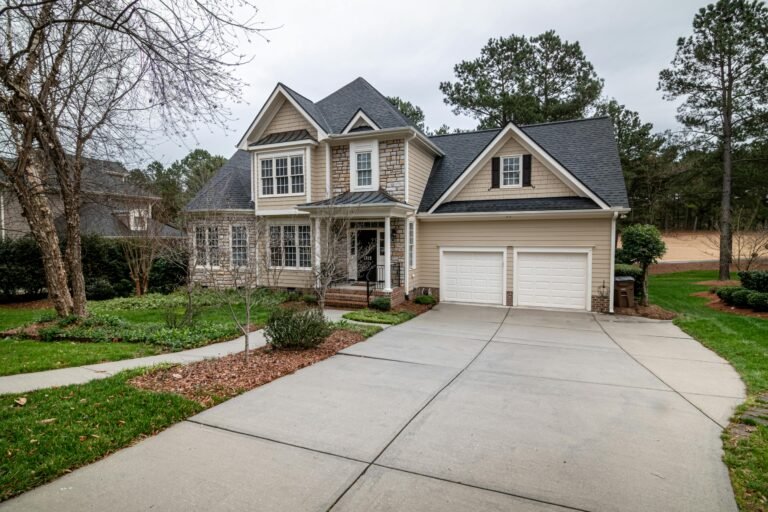
Becoming pre-qualified for a mortgage is the first major step toward owning a home. It gives you a clear estimate of how much you can borrow, helps you understand your financial standing, and strengthens your confidence before meeting with real estate agents or making offers. Whether you’re a first-time buyer or planning an upgrade, pre-qualification helps you enter the housing market prepared and informed.
This comprehensive guide explains how pre-qualification works, the documents you need, the 3-7-3 mortgage rule, income requirements, payment estimates for popular loan amounts, and common reasons people are denied. With accurate calculations and lender-backed insights, you can navigate the mortgage process with clarity and confidence.
How Do You Get Pre-Qualified for a Mortgage?
Getting pre-qualified for a mortgage is easier than it may seem. It is an early financial assessment performed by a lender using your self-reported income, credit profile, and existing debt obligations.
Steps to Get Pre-Qualified
1. Review Your Income and Employment History
Most lenders prefer at least two years of stable employment or consistent income in the same field.
2. Understand Your Credit Score
Your credit score influences interest rates and loan approval.
-
740+ = excellent
-
700–739 = good
-
620–699 = acceptable for many loan programs
Search more topics
Explore related answers and trending queries in seconds.
-
Below 620 = may require FHA or specialized loans
3. Calculate Your Debt-to-Income Ratio (DTI)
Your DTI helps lenders determine whether you can responsibly handle monthly payments.
Most lenders want a DTI under 43%, though some programs may be more flexible.
4. Provide Basic Financial Information
Lenders usually ask for:
-
Household income
-
Monthly debts
-
Estimated savings and down payment
-
Credit estimate
5. Complete a Soft Credit Check
Pre-qualification typically uses a soft inquiry, meaning it does not affect your credit score.
Once the lender reviews your info, you receive a pre-qualification estimate, which gives you a price range for the homes you can consider.
Understanding the 3-7-3 Rule for Mortgages
The 3-7-3 mortgage rule is a consumer protection guideline ensuring borrowers receive transparent loan disclosures.
Here’s how it works:
-
3 Days
Lenders must provide a Loan Estimate (LE) within three business days after receiving your mortgage application. -
7 Days
You must receive disclosures at least seven days before closing on your home. -
3 Days
If major changes occur (interest rate adjustments, APR changes, or loan product changes), updated disclosures must be delivered three days before closing.
This rule protects borrowers by giving them time to review terms before committing.
How Much Would a $300,000 Mortgage Be for 30 Years?
If you’re pre-qualified for a mortgage around $300,000, estimating monthly payments helps determine affordability.
Monthly Payment Estimates (30-Year Fixed)
| Interest Rate | Estimated Monthly Payment |
|---|---|
| 4% | ~$1,432 |
| 5% | ~$1,610 |
| 6% | ~$1,798 |
| 7% | ~$1,996 |
These numbers reflect principal + interest only.
Always account for property taxes, homeowners insurance, PMI, and HOA, if applicable.
How Much Mortgage Can I Pre-Qualify For?
Your pre-qualified mortgage amount depends on several financial factors.
1. Your Gross Monthly Income
Lenders typically allow mortgage payments up to 28–31% of your gross monthly income.
2. Total Debt Obligations (DTI)
Your debt-to-income ratio must generally stay under 43% for conventional loans and 50% for some FHA options.
3. Down Payment Size
A larger down payment increases affordability and lowers monthly payments.
4. Credit Score Strength
Higher credit scores may allow greater borrowing power due to lower risk.
5. Loan Type
Conventional, FHA, VA, and USDA loans all have different qualification criteria and limits.
As a rough guide, many borrowers pre-qualify for 3–4 times their annual gross income, depending on debts.
How Much Is a $400,000 Mortgage Payment for 30 Years?
Here is what a $400,000 mortgage may cost monthly:
Monthly Payment Estimates
| Interest Rate | Estimated Payment |
|---|---|
| 4% | ~$1,909 |
| 5% | ~$2,146 |
| 6% | ~$2,397 |
| 7% | ~$2,661 |
Adding taxes and insurance may increase the payment by $300–$700 per month depending on location.
Minimum Salary Required to Get a Mortgage
Income requirements vary, but here are general lender expectations:
Typical Salary Requirements
-
$300,000 home → $65,000–$75,000 annual income
-
$400,000 home → $85,000–$100,000 annual income
-
$500,000 home → $110,000–$130,000 annual income
These estimates assume average debt levels and a moderate interest rate.
What Can Stop You From Getting a Mortgage?
Even after getting pre-qualified for a mortgage, several issues can prevent approval:
Major Factors That Can Stop Approval
-
Low Credit Score
Below 620 makes conventional approval difficult. -
High Debt-to-Income Ratio
Too much existing debt may limit loan options. -
Insufficient Income
Lenders must verify the ability to repay. -
Unverified or Large Bank Deposits
Must prove these funds are legitimate and not borrowed secretly. -
Insufficient Down Payment
Some loan programs require specific minimums. -
Property Appraisal Issues
If the appraisal comes in too low, lenders cannot finance the full purchase price. -
Job Changes or New Debt Before Closing
New loans or credit cards can derail your approval.
Understanding these obstacles helps buyers prepare early and avoid surprises.
How Much Should You Earn to Buy a $500,000 House?
To finance a $500,000 home, you generally need:
Estimated Required Income
-
$110,000–$130,000 per year for most borrowers
-
Higher if you have significant debt
Lenders consider mortgage payments, taxes, insurance, and PMI when calculating required income.
Should You Get Pre-Approved for a Mortgage?
Yes. Getting pre-approved for a mortgage is a stronger step than pre-qualification and is highly recommended.
Benefits of Pre-Approval
-
Confirms the loan amount you can borrow
-
Strengthens home offers in competitive markets
-
Locks in an interest rate for a set period
-
Shows sellers you are a serious, qualified buyer
Pre-approval requires documentation such as W-2s, pay stubs, bank statements, and a hard credit check.
Getting pre-approved after being pre-qualified ensures your homebuying journey is smooth and predictable.
Pre-Qualification Sets the Foundation for Homeownership
Being pre-qualified for a mortgage gives you clarity long before you make an offer or sign a contract. It helps you understand your borrowing power, monthly obligations, and financial strengths and weaknesses. By learning how lenders evaluate income, credit, debt ratios, and property factors, you can position yourself for the best terms available.
Whether you’re aiming to afford a $300,000 home or working toward a $500,000 purchase, preparation is key. Strong financial habits, early planning, and professional guidance make the mortgage process smoother—and bring you one step closer to owning your dream home.
About The Author

Search Anything
Search any topic — insurance, loans, travel, technology, health, and more.